
Artemisia absinthium (wormwood): description, history and uses
Artemisia absinthium, or wormwood, is a silvery perennial herb used historically in bitters, medicines and absinthe. This article covers its appearance, chemistry, cultivation, uses and safety considerations.
Overview
Artemisia absinthium, commonly called wormwood, grand wormwood or absinthe wormwood, is a herbaceous perennial native to temperate parts of Eurasia and northern Africa. It is known for its grey-green foliage, bitter taste and aromatic oils. Wild and cultivated populations occur across a range of dry, open habitats, and it has been introduced to other regions as an ornamental or medicinal plant. Eurasia and northern Africa are part of its native range.
Image gallery
4 Images


Description and chemistry
Wormwood grows from a woody rootstock and typically forms branching stems covered in finely divided, silver-haired leaves. Small, yellowish flowers form in clusters. The plant contains a complex mixture of volatile oils and bitter terpenes, notably thujone, alongside other compounds that give it a strongly bitter, resinous aroma. These constituents are responsible for many of its traditional uses and for its characteristic flavour when used in spirits or tinctures.
History and cultural uses
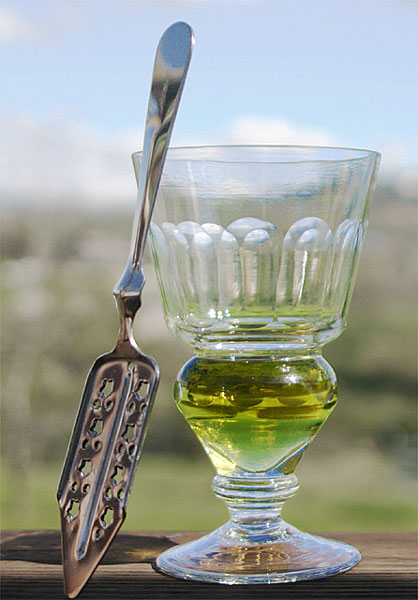
Wormwood has a long history of use as a bittering agent in beverages and as a herbal remedy. It became a prominent ingredient in the 19th-century spirit absinthe, and earlier in vermouth and other botanical liqueurs. Historically it was used in folk medicine for digestive complaints and as an anthelmintic (to expel intestinal worms), which is the source of the English name "wormwood."
Modern uses and examples
Contemporary applications include small-scale cultivation for flavouring bitters and spirits, extraction of essential oils for perfumery, and use in herbal preparations. In culinary contexts it is used sparingly for bitter flavour. Herbalists employ it for short-term digestive support, though scientific evidence varies depending on the condition.
Cultivation and safety
Wormwood prefers well-drained soils, full sun and dry conditions; it can be propagated by seed or root division. It is drought-tolerant and can be somewhat invasive in favorable sites. Regarding safety, the compound thujone has been associated with neurotoxic effects at high doses; claims that it causes hallucinations have been questioned and modern regulations limit thujone content in alcoholic products. Pregnant people and those with certain medical conditions should avoid concentrated preparations and consult health professionals.
Distinctions and notable facts
- Artemisia absinthium is one of many Artemisia species; others include mugwort and tarragon-like herbs with different flavours and uses.
- Its bitter properties have been important historically for stimulating appetite and digestion.
- Legal restrictions on thujone transformed commercial absinthe production; modern versions comply with safety limits.
For general botanical information and conservation details consult regional floras or authoritative plant databases. For culinary or medicinal use rely on expert guidance and regulated products rather than home preparations.
Related articles
Author
AlegsaOnline.com Artemisia absinthium (wormwood): description, history and uses Leandro Alegsa
URL: https://en.alegsaonline.com/art/6243