
Lake Ülemiste (Ülemiste järv)
Lake Ülemiste is the main freshwater reservoir adjacent to Tallinn, Estonia, supplying the city with drinking water and known for its ecology, infrastructure links and the folk legend of the Ülemiste vanake.
Overview
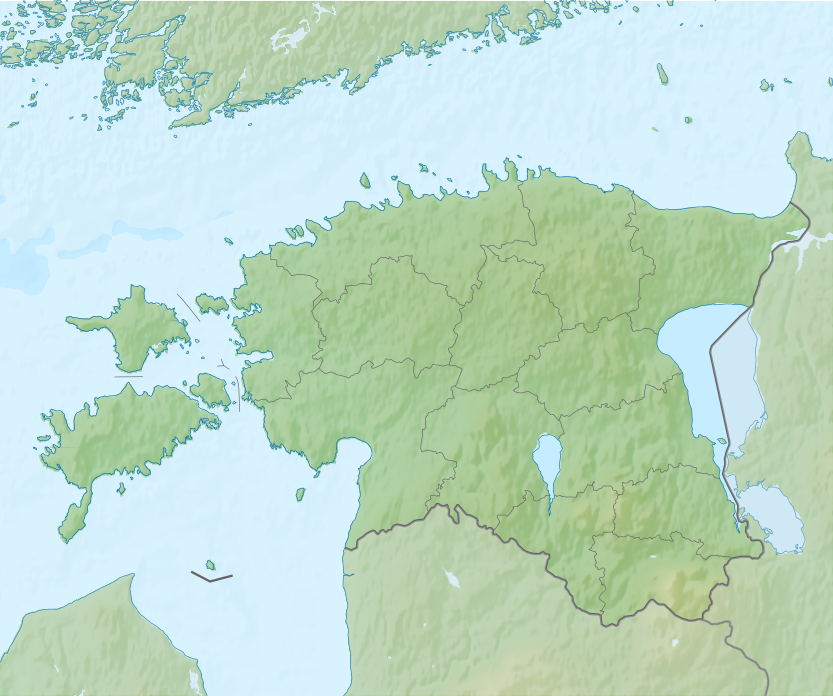
Lake Ülemiste (Ülemiste järv) is a prominent inland water body beside the Estonian capital. Located on the outskirts of Tallinn, it is the largest of the lakes immediately surrounding the city and functions as the principal source of municipal drinking water. The lake sits within the national context of Estonia and is often referenced in local geography, planning and culture. Its Estonian name and related folklore are frequently discussed in regional literature; see the article on the name at Ülemiste for more cultural background.
Image gallery
3 Images

Physical characteristics and hydrology
Lake Ülemiste is fed by a mix of small streams and engineered connections. The natural inflows include local brooks such as the Kurna stream, while larger volumes of water reach the lake through canals that link it with the Pirita River. The most important artificial link is the Vaskjala–Ülemiste canal, built to manage water levels and supplement the lake's supply. As a near-urban reservoir, its shoreline and basin have been partly modified over time to support water management, transport and infrastructure needs.
Infrastructure, water supply and uses
The lake is integral to Tallinn's water system. Drinking water for the city is abstracted from the lake and treated by municipal facilities before distribution. Because of this role, activities around the shore are regulated to protect water quality, and management measures are in place to monitor pollution, algal growth and other risks. In addition to potable water supply, the lake influences local microclimate, recreational access (where permitted) and the siting of nearby facilities such as the capital’s airport, which lies close to the lake's perimeter.
Ecology and conservation
Although largely managed for human use, Lake Ülemiste retains sections of natural shoreline and wetland vegetation that support birds, aquatic plants and invertebrates. Reed beds and shallow margins provide habitat for waterfowl and other wildlife. Conservation of the lake focuses on maintaining water quality for public consumption while preserving ecological functions; this involves monitoring of nutrient inputs, restrictions on direct discharges, and contingency planning for events such as heavy runoff or accidental spills.
Legend of the Ülemiste vanake
Lake Ülemiste is also known for a popular piece of Tallinn folklore. The tale describes an old man of the lake — the Ülemiste vanake — who is said to ask any passerby whether Tallinn is finished. According to the story, if someone answers that the city is complete, the old man will flood it by releasing the lake's waters; the safe reply is that the city is still unfinished, which keeps the waters at bay. This legend is a recurring motif in cultural depictions of Tallinn and is often cited in guides and local storytelling; cultural context and interpretations are summarized at Ülemiste vanake and other local sources.
Notable facts and distinctions
- Lake Ülemiste is the primary reservoir for Tallinn’s drinking water and therefore occupies a central role in urban planning and public health policy.
- Hydrological connections such as the Vaskjala–Ülemiste canal link the lake to larger river systems, helping to regulate supply during dry periods.
- Its proximity to city infrastructure, including the airport and suburban districts, makes the lake a focal point where environmental protection and urban development intersect.
- For cultural and tourist information, see local guides and municipal pages; general overviews are available through regional references at Lake resources and city publications at Tallinn city sources.
Lake Ülemiste demonstrates how a natural water body close to an expanding capital can become both a vital utility and a cultural symbol. Balancing the lake’s ecological health with the demands of a large urban population remains an ongoing challenge for planners, conservationists and the people of Tallinn.
Questions and answers
Q: Where is Lake Ülemiste located?
A: Lake Ülemiste is located in Estonia.
Q: What is the size of Lake Ülemiste?
A: Lake Ülemiste is the largest lake near Tallinn, the capital city of Estonia.
Q: What is the source of water for Lake Ülemiste?
A: Lake Ülemiste gets its water mostly from the small Kurna stream and the larger Pirita River through the Vaskjala-Ülemiste canal.
Q: What is the importance of Lake Ülemiste for Tallinn?
A: Tallinn, the capital city, takes its drinking water from Lake Ülemiste.
Q: What is the legend associated with Lake Ülemiste?
A: The legend says that the "Old Man of Lake Ülemiste" lives in the lake and always asks about the city's readiness. If the answer is "yes," he will send the lake waters to cover the city.
Q: How can the city be saved according to the legend?
A: If anyone meets the old man, they should answer that the city is not ready, and there is still a lot of work to do.
Q: Why is it important to answer the old man's question correctly?
A: If the answer is incorrect, the old man will send the lake waters out to cover the city of Tallinn, causing a disaster. Answering the question correctly can save the city.
Related articles
Author
AlegsaOnline.com Lake Ülemiste (Ülemiste järv) Leandro Alegsa
URL: https://en.alegsaonline.com/art/55577