
Lake Vostok — Antarctica's largest subglacial lake
Lake Vostok is the largest of Antarctica's subglacial lakes, buried beneath kilometers of ice. It is of major interest for glaciology, microbiology and astrobiology and is difficult to access safely.
Overview
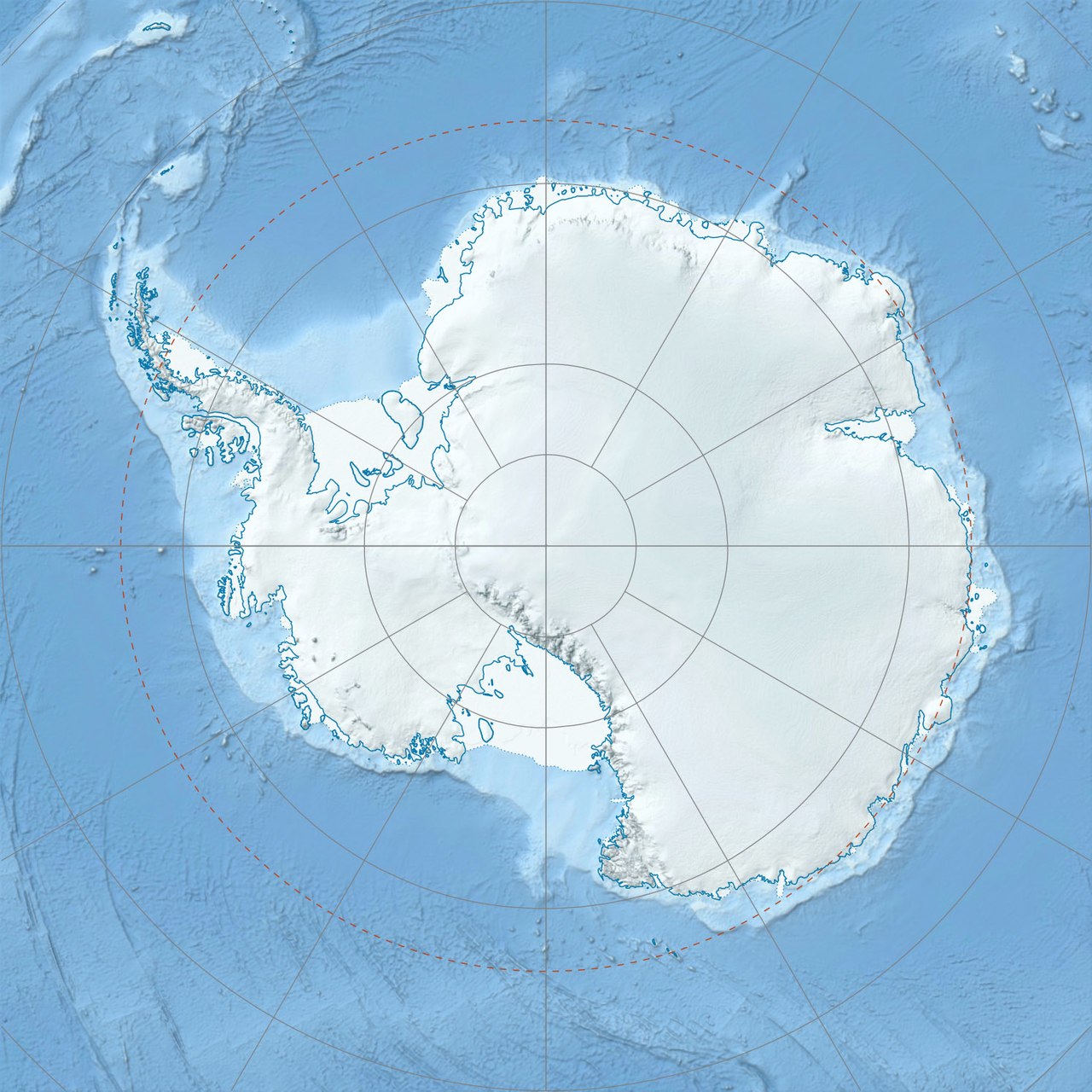
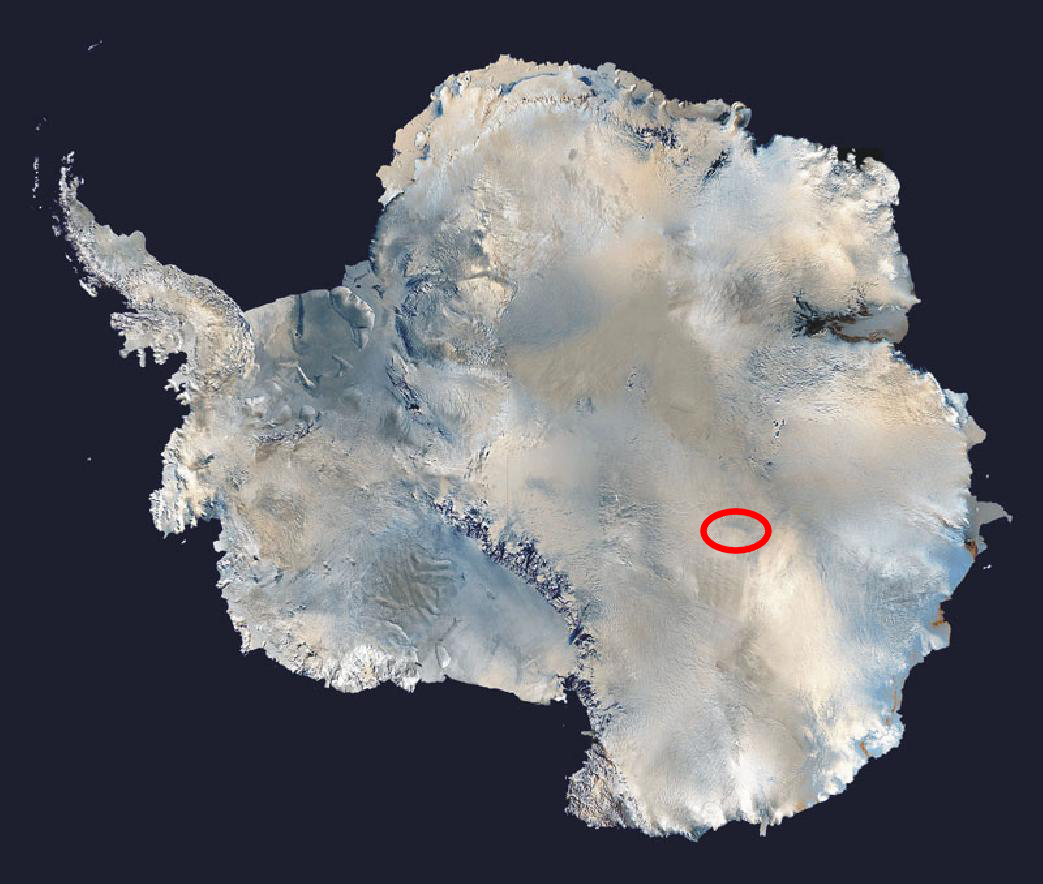
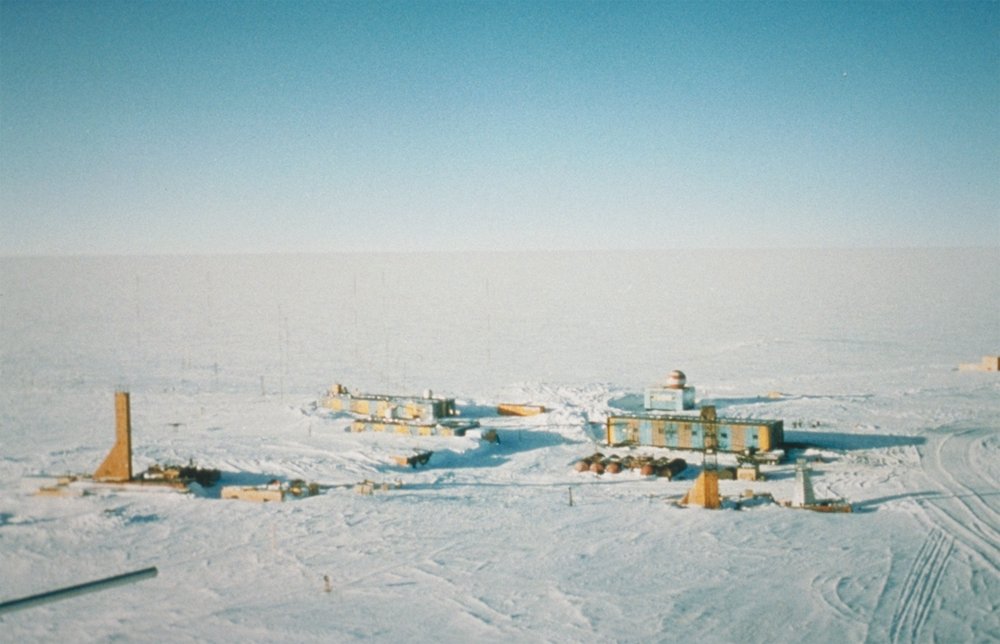
Lake Vostok lies beneath the East Antarctic Ice Sheet near 77° S, 105° E, directly under the Russian Vostok Station. It is the largest known lake among the continent's many subglacial lakes and is buried roughly 4,000 metres below the ice surface. The body of water is believed to be liquid despite subzero temperatures because extreme pressure and geothermal heat lower the melting point of water under the ice.
Image gallery
9 Images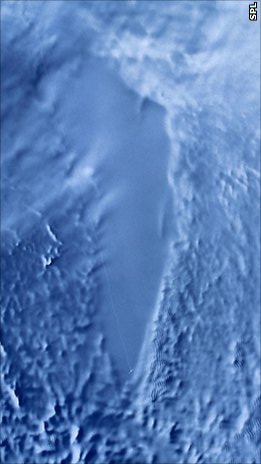




Physical characteristics
The lake is composed of fresh water and has been described as having at least two major basins separated by a submerged ridge. The water temperature in the lake has been estimated close to -3 °C while remaining liquid, a condition resulting from high pressure and basal heating. The overlying ice provides a stable, isolated environment that has preserved chemical and physical conditions for long periods.
Discovery and exploration
Lake Vostok was discovered through geophysical surveys, including radar sounding and seismic studies carried out by international research teams. Early work combined efforts by Russian and British scientists who used airborne and ground-based radar to detect a large reflector beneath the ice. Subsequent projects from several national programs have used ice-core drilling and remote sensing to study the lake and its environs. Because direct access risks contaminating the lake, drilling operations have been subject to strict environmental protocols and international scrutiny.
Scientific importance
Researchers study Lake Vostok for several reasons: as a window on past climate when the lake was isolated, as a unique habitat that may host microbial life adapted to cold, dark conditions, and as an analogue for subsurface oceans on icy worlds such as Jupiter's moon Europa. Investigations of accreted ice and thin films of frozen lake water have produced molecular signatures that suggest microbial activity, but confirming indigenous ecosystems in the lake proper requires careful, contamination-free sampling.
Challenges, precautions and notable facts
- The lake's remote location and the thickness of overlying ice make access technically difficult and expensive — any attempt to sample the water must avoid introducing surface microbes or chemical contaminants. Antarctic subglacial lakes are governed by international environmental guidelines administered through treaties and scientific bodies.
- Initial detection relied on geophysical techniques such as airborne and ground-based radar and seismic surveys. These non-invasive methods remain central to mapping sub-ice topography and identifying separate basins.
- Lake Vostok lies beneath the territory where Russia operates Vostok Station; its discovery involved collaboration among scientists from multiple countries, including Britain and others. Scientific teams and researchers continue to cooperate under protocols designed to protect the environment.
- The lake contains fresh water and remains liquid because of the high pressure exerted by the overlying ice. Geological structure includes at least two basins, which may host distinct ecosystems if life is present.
Because of Lake Vostok's scientific value, work on and around it continues with emphasis on remote sensing, contamination prevention, and careful analysis of ice cores and accreted ice layers. The lake remains a focal point for interdisciplinary research spanning glaciology, microbiology, geochemistry and planetary science, with lessons that extend beyond Antarctica to the search for life in icy environments elsewhere in the solar system. For more general context about Antarctic research and subglacial hydrology see resources linked to Antarctica and to specialist literature available through national polar programs and scientific repositories.
Questions and answers
Q: How many lakes are there in Antarctica that are under sheets of ice?
A: There are seventy lakes in Antarctica that are under sheets of ice.
Q: Where is Lake Vostok located?
A: Lake Vostok is located at 77° S 105° E under Russia's Vostok Station.
Q: How deep is Lake Vostok?
A: Lake Vostok is 4,000 meters (13,000 feet) deep under Antarctica's surface.
Q: Who discovered Lake Vostok?
A: Russian and British scientists discovered Lake Vostok using radar.
Q: What kind of water does Lake Vostok consist of?
A: Lake Vostok consists of fresh water.
Q: What is the temperature of the water in Lake Vostok?
A: The temperature of the water in Lake Vostok is about -3 °C.
Q: Why does the water in Lake Vostok remain liquid despite being below freezing point?
A: The water in Lake Vostok remains liquid because of the high pressure produced by the ice.
Related articles
Author
AlegsaOnline.com Lake Vostok — Antarctica's largest subglacial lake Leandro Alegsa
URL: https://en.alegsaonline.com/art/55587
Sources
- pubmed.ncbi.nlm.nih.gov : 11077478
- dailygalaxy.com : "Mystery of Antarctica's 15-million year-old lake"