
Lenno — Lakeside village on Lake Como, Italy
Lenno is a small village on Lake Como, noted for the Golfo di Venere, Roman origins, Villa del Balbianello, olive cultivation and tourism. Since 2014 it is part of the comune of Tremezzina.
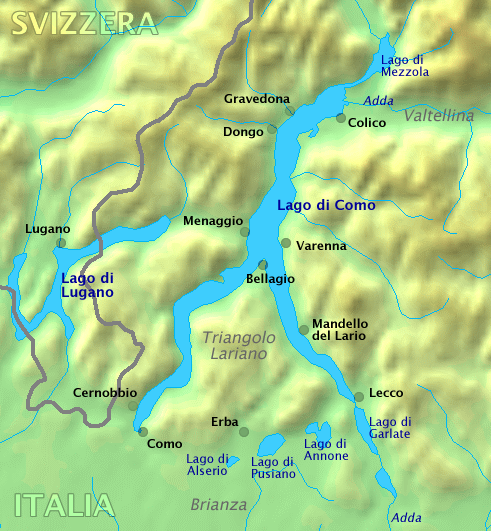
Lenno is a compact lakeside settlement on the western shore of Lake Como in northern Italy. Set beside the deeply indented bay known as the Golfo di Venere (Bay of Venus), Lenno offers a mix of waterfront promenades, historic villas and a small harbor that serves local boats and ferries. It lies roughly northwest of Milan and northeast of the city of Como, making it an accessible destination for day visits from regional centers.
Image gallery
4 Images

Landscape and built environment
The village is compact: narrow streets and lakeside piazzas lead down to the water, where small berths accommodate tour boats and private craft. Hills rise steeply behind Lenno, covered with mixed Mediterranean foliage and terraced gardens. Scattered along the shore are several notable villas, the most famous of which is Villa del Balbianello, a historic estate with landscaped gardens that attract visitors for its architecture, views and film locations. The local shoreline and bay are valued for their sheltered aspect and scenic panoramas.
History and origins
Lenno has ancient roots. The settlement grew during the Roman period, and local tradition records that Roman figures invited settlers to the area and that olive cultivation was introduced early on. Classical writers and later historians noted villas and estates in the vicinity, and archaeological traces and place-names reflect this long habitation. Authors such as Pliny the Younger are associated with villas on the lake in historic accounts, while Renaissance and early modern scholars including Abraham Ortelius and regional historians wrote about the area's antiquity. The olive groves that once spread around Lenno are remembered in place names and older accounts of local agriculture (olive trees).
Culture, architecture and notable sites
Lenno's cultural fabric combines ecclesiastical buildings, stately homes and small civic spaces. Important points of interest include the waterfront, several historic mansions, and the gardens and terraces of lakeside villas. Visitors often come to see Villa del Balbianello and to stroll the bay. Local churches and community buildings reflect the village's medieval and post-medieval development, and the harbor remains a focal point for life on the lake.
Tourism, economy and activities
Tourism is central to Lenno's modern economy. The village supports hotels, restaurants and services catering to day-trippers and longer-stay visitors. Boat services operate on Lake Como, linking Lenno with neighboring towns and attractions. Popular activities include:
- boat excursions and ferry connections to other lakeside towns (harbor services),
- visiting historic villas and gardens, including sites famous in film and literature,
- walking and light hiking on nearby paths that offer views over the lake,
- sampling regional cuisine at local restaurants and cafés.
Administration and notable facts
In 2014 Lenno was administratively merged with neighboring communities to form the new municipal entity known as the Comune di Tremezzina, joining the former communes of Mezzegra, Ossuccio and Tremezzo. The village continues to be promoted as a quiet, picturesque stop on the lake with easy access to larger towns and to regional transport. For readers seeking further historical or travel information, consult regional histories and visitor guides that treat the Roman and medieval remains and the succession of villas and gardens that have shaped Lenno's character (ancient Roman sources, villa accounts, villa names, mansions).
Additional references and local resources may be found through regional tourism offices and heritage sites; guidebooks and municipal pages provide practical details about transport, opening hours and events. For context about the broader lake region and its geography see material on Tremezzina and interlinked lakeside communities, and for maps and historical notes consult specialized sources and period accounts (regional links, lake overviews). Many visitors combine Lenno with nearby stops to explore the variety of architecture and landscape along Lake Como (Golfo di Venere, Como area).
Questions and answers
Q: Where is Lenno located?
A: Lenno is a small village on the shores of Lake Como in northern Italy, about 60 kilometers north of Milan and about 20 kilometers northeast of Como.
Q: What bay is Lenno on?
A: Lenno is on a small bay of Lake Como called the Golfo di Venere (Bay of Venus).
Q: Who started the village of Lenno?
A: The village of Lenno was started by the ancient Romans.
Q: How did Julius Ceasar contribute to the village of Lenno?
A: Julius Ceasar invited 500 Greeks to come live in the village of Lenno. The Greeks planted olive trees all around Lenno.
Q: Who had a villa in Lenno?
A: Pliny the Younger had a villa in Lenno called the Comedy villa as written by the historian Paolo Giovio and geographer Abraham Ortelius.
Q: What can tourists find in Lenno?
A: Tourists can find mansions, hotels, restaurants, and a small harbor in Lenno.
Q: What happened to Lenno in 2014?
A: In 2014, Lenno was joined with three other nearby villages (Mezzegra, Ossuccio and Tremezzo) to make a single municipality called Comune di Tremezzina.
Related articles
Author
AlegsaOnline.com Lenno — Lakeside village on Lake Como, Italy Leandro Alegsa
URL: https://en.alegsaonline.com/art/57149
Sources
- istat.it : "Superficie di Comuni Province e Regioni italiane al 9 ottobre 2011"
- books.google.com : Fascinating Lake Como: travel guide for discoverers
- books.google.com : Reading the Letters of Pliny the Younger: An Introduction · archive.org
- ilgiorno.it : "Fusione Comuni, 9 nuove amministrazioni al voto il 25 maggio"