
Lake District: landscape, culture, and conservation in north‑west England
The Lake District is a mountainous, lake‑dotted region in north‑west England known for its glacial scenery, literary associations (Wordsworth, Beatrix Potter), national park status and UNESCO recognition.
The Lake District, often called the Lakes or Lakeland, is a distinctive upland region in north‑west England centred on a chain of glacially carved valleys and ribbon lakes. Its varied terrain includes deep lakes, rugged fells, rocky ridges and scattered pastures. The area is widely visited for walking, climbing, boating and the scenic character that inspired generations of writers and artists.
Image gallery
10 Images



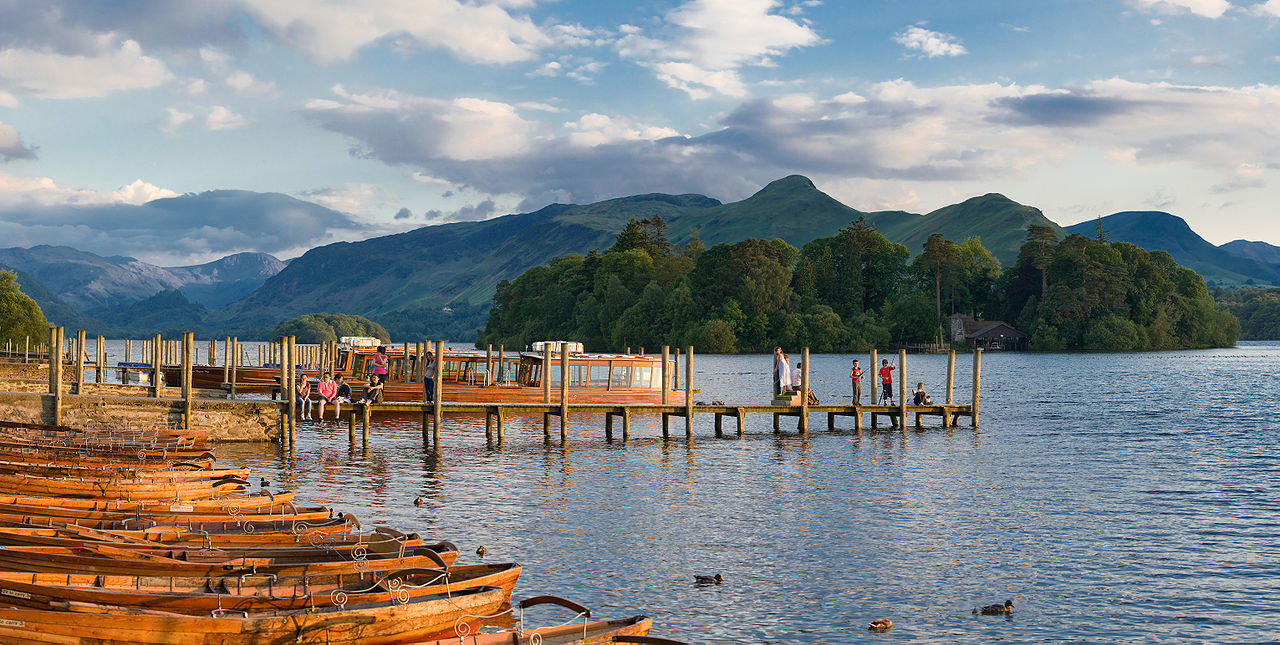


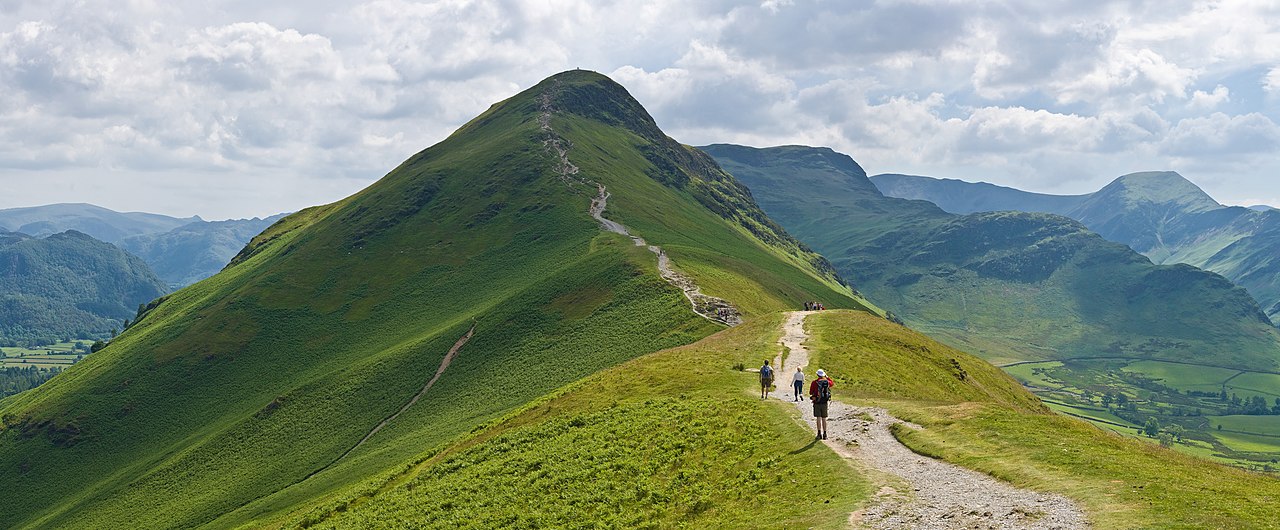

Landscape and natural features
The region's topography was sculpted during successive ice ages, leaving long, narrow lakes and steep-sided valleys. Notable high points include Scafell Pike, the highest mountain in England, and well-known waterbodies such as Windermere and Derwentwater. Small villages and market towns—Ambleside, Keswick and Grasmere among them—sit alongside stone walls, dry-stone barns and sheep pastures that are integral to the countryside's appearance.
Culture, literature and heritage
The Lake District has strong literary associations. The poet William Wordsworth and the group known as the Lake Poets lived and wrote there in the late 18th and early 19th centuries, drawing attention to the region's scenery and rural life. Later writers and illustrators, including Beatrix Potter, also had deep ties to the area and helped promote conservation and traditional farming practices.
Conservation, designation and management
The Lake District is protected as a national park established in the mid-20th century; its management balances tourism, farming and habitat protection. In recent years the district has received international recognition for both its natural qualities and its cultural landscape. This status highlights the long-standing interplay between people, farming (notably Herdwick sheep grazing) and the mountain and lake scenery that characterises the region. Read more from organisations such as UNESCO and information about the area's World Heritage listing via World Heritage.
Recreation and economy
Tourism is a major economic activity: visitors come for hillwalking, fell running, sailing and heritage attractions. Outdoor infrastructure ranges from maintained footpaths and visitor centres to boat services on larger lakes. Farming—particularly sheep and hill grazing—continues to shape the visual and ecological character of the landscape, creating a working countryside alongside popular visitor sites.
Distinctive elements and notable facts
- Glacially formed lakes and U-shaped valleys are central to the region's scenery.
- Traditional stone walls, dry-stone barns and Herdwick sheep contribute to a recognisable cultural landscape.
- Artists, writers and conservationists have influenced how the Lakes are managed and presented to visitors.
Whether approached for its outdoor opportunities, literary connections or rural heritage, the Lake District remains one of Britain's most celebrated and carefully managed landscapes.
Questions and answers
Q: What is the Lake District?
A: The Lake District is a rural area in north west England known for its lakes and mountains, popular as a vacation area.
Q: What are some of the popular features of the Lake District?
A: The Lake District is well-known for its lakes and mountains.
Q: What is the association of the Lake District with William Wordsworth and the Lake Poets?
A: The Lake District is associated with the early 19th century poetry and writings of William Wordsworth and the Lake Poets.
Q: What is the tentative list of UNESCO World Heritage Sites?
A: The Lake District is on a tentative list of UNESCO World Heritage Sites.
Q: Where specifically is the Lake District located?
A: The Lake District is located in north west England.
Q: What attracts visitors to the Lake District?
A: The beauty of the lakes and mountains of the Lake District attract many visitors to the area.
Q: Can the Lake District be considered a cultural or artistic hub?
A: The Lake District can be considered a cultural hub due to its associations with influential poets and writers such as William Wordsworth and the Lake Poets.
Related articles
Author
AlegsaOnline.com Lake District: landscape, culture, and conservation in north‑west England Leandro Alegsa
URL: https://en.alegsaonline.com/art/55495
Sources
- whc.unesco.org : "England's Lake District"