
Lactase: the enzyme that breaks down lactose in milk
Lactase is an intestinal enzyme that hydrolyzes lactose into simple sugars. This article covers its biological role in mammals, developmental regulation, lactase persistence and deficiency, health effects, and industrial uses.
Overview
Lactase is a digestive enzyme that cleaves the disaccharide lactose into its monosaccharide components, glucose and galactose. In humans and other mammals it enables the absorption of milk sugars during early life. The protein is commonly referred to as lactase-phlorizin hydrolase (LPH) and is located on the brush border of small intestinal cells.
Image gallery
4 Images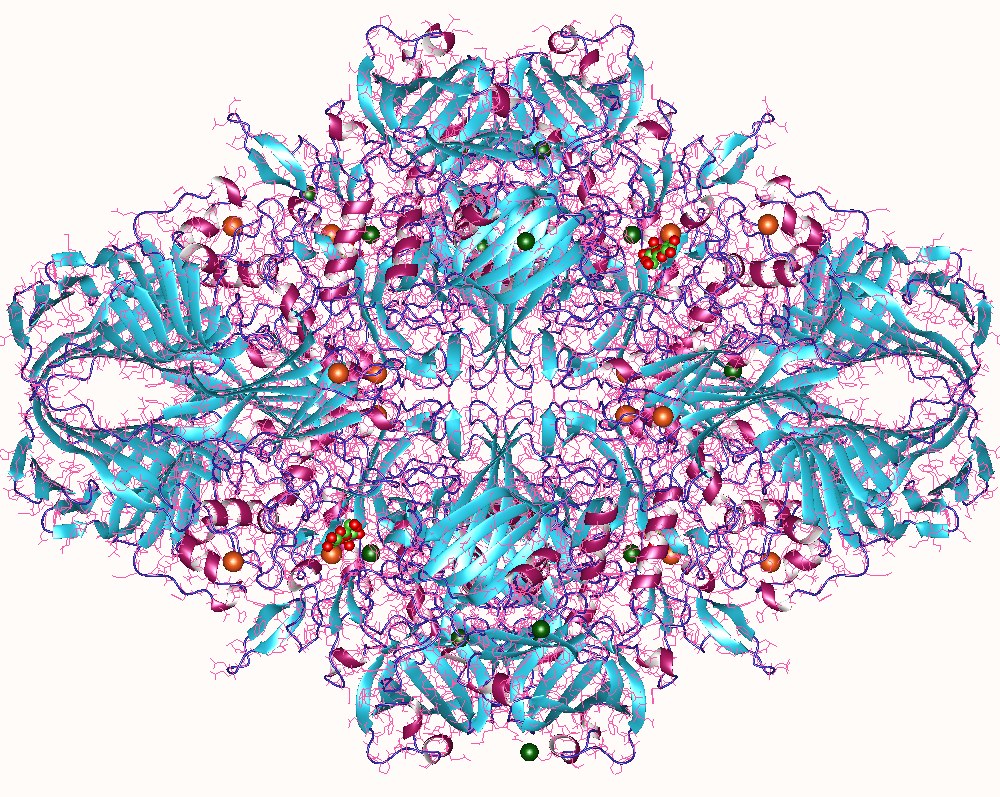


Biological role and life-stage regulation
Most mammals produce abundant lactase as offspring to digest their mother's milk (mother's milk). In many species the level of enzyme activity falls after weaning, which reduces the ability to digest lactose as adults. Humans show more diversity: some populations retain high lactase activity into adulthood (lactase persistence), while others commonly experience reduced activity after childhood.
Structure, genetics and evolution
LPH is a membrane-bound glycoprotein synthesized by enterocytes. Regulation of its expression is developmentally programmed; in humans, genetic variants in regulatory DNA regions can maintain expression and confer lactase persistence. This trait is considered an example of recent human evolution associated with dairy farming and pastoral cultures.
Deficiency, symptoms and management
When lactase activity is low, undigested lactose can be fermented by gut bacteria, producing gas, bloating and loose stools. This condition is commonly called lactose intolerance and should be distinguished from immune-mediated milk allergy. Secondary lactase deficiency can follow intestinal infections or diseases that damage the gut lining. As a simple example of adult mammals that often tolerate lactose poorly, giving milk to an adult cat can cause discomfort and diarrhea.
Practical uses and examples
- Lactase is added to milk to make lactose-free dairy by pre-digesting lactose so people with low activity can consume it comfortably.
- Commercial lactase preparations and over-the-counter enzyme tablets help individuals manage symptoms when consuming lactose-containing foods.
- Industries use lactase to modify sweetness, improve solubility and reduce crystallization in certain dairy products.
Notable distinctions
Key distinctions include lactase deficiency (reduced enzyme activity) versus milk allergy (immune reaction), and primary developmental decline versus secondary acquired loss. Understanding these differences guides diagnosis and dietary recommendations. Research into lactase regulation continues to inform nutrition, public health and evolutionary biology.
Questions and answers
Q: What is lactase?
A: Lactase is an enzyme that helps in breaking down lactose so that it can be digested.
Q: Where does lactose come from?
A: Lactose is found in mother's milk which mammals produce in their infancy.
Q: Why do mammals need lactase?
A: Mammals need lactase to break down lactose in their mother's milk for digestion.
Q: Do all mammals produce lactase in adulthood?
A: No, most mammals lose the capacity to produce lactase in adulthood.
Q: What happens when an adult cat drinks milk?
A: Drinking milk causes discomfort and diarrhea in adult cats because they are unable to produce lactase.
Q: Can human adults produce lactase?
A: Some humans may be able to produce lactase even in adulthood, while others may lose the capacity to produce it.
Q: What happens when lactose intolerant individuals consume lactose?
A: Lactose intolerant individuals may experience discomfort, bloating, gas, and diarrhea when they consume lactose as they do not produce enough lactase to break it down.
Related articles
Author
AlegsaOnline.com Lactase: the enzyme that breaks down lactose in milk Leandro Alegsa
URL: https://en.alegsaonline.com/art/55282
Sources
- scientificamerican.com : Not milk? Neolithic Europeans couldn't stomach the stuff
- genome.wellcome.ac.uk : "The lactase gene in Africa: do you take milk?"
- nytimes.com : Study detects recent instance of human evolution
- scientificamerican.com : African adaptation to digesting milk is "strongest signal of selection ever"