
Lactobacillus — lactic acid bacteria important in food, health, and fermentation
Lactobacillus are rod-shaped, Gram-positive lactic acid bacteria used in fermented foods and probiotics. Many species are part of human microbiota and contribute to food preservation and gut/vaginal health.
Overview. Lactobacillus is a broad group traditionally recognized as a genus of Gram-positive, rod-shaped bacteria that produce lactic acid from sugars. Historically associated with milk and other fermented foods, members of this group are widespread in nature and often occur in the human body, especially the gut and the vagina. In modern treatments the name appears as a taxonomic label and as a common shorthand for lactic acid bacteria in food and health contexts. For a general reference to classification see genus and to bacterial biology see bacteria.
Image gallery
4 Images


Characteristics
Lactobacilli are typically non-spore-forming, catalase-negative, and range from strictly anaerobic to aerotolerant microaerophilic organisms. They are usually described as rod-shaped and can be divided by their fermentation pathways: homofermentative species convert sugars mainly to lactic acid, while heterofermentative species produce lactic acid plus CO2 and other metabolites. Many strains are adapted to acidic environments, which helps them dominate in fermented foods and certain mucosal surfaces. The non-spore-forming nature of these bacteria is emphasized in technical descriptions: non-spore-forming.
History and taxonomy
Microorganisms now associated with Lactobacillus have been used for millennia in food fermentation. Scientific interest grew in the 19th and early 20th centuries as researchers studied souring of milk and other products. In recent years, advances in genetic analysis prompted a substantial reorganization of the group: the large, traditional genus has been split into several more narrowly defined genera to reflect evolutionary relationships. This taxonomic revision is important when consulting modern literature or strain collections.
Uses and importance
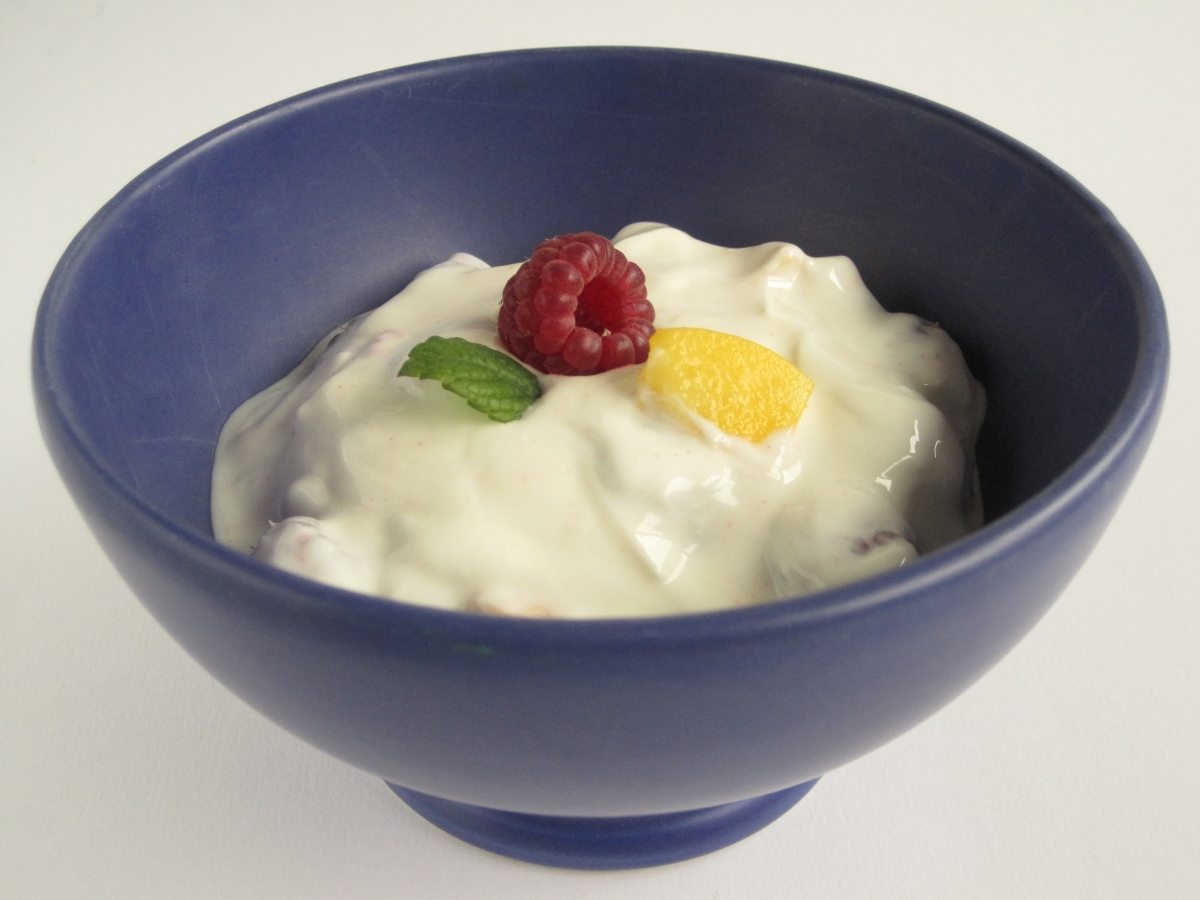
Lactobacilli play a central role in many fermented foods: they are starter or secondary cultures in yogurt, cheese, sourdough, sauerkraut, pickles, and fermented beverages. A well-known example in yogurt production pairs a Lactobacillus strain with Streptococcus thermophilus during fermentation. Their production of lactic acid lowers pH, inhibits spoilage organisms, and contributes to flavor and texture. They are also marketed as probiotics for potential digestive and vaginal health benefits, though effects are strain-specific and supported to varying degrees by clinical evidence. Examples of food associations include yogurt and other cultured dairy products: yogurt.
Ecology and human health
Many Lactobacillus-related organisms are normal members of human mucosal microbiota. In the female reproductive tract certain species help maintain an acidic environment and can inhibit pathogens; this role is commonly described in clinical and microbiome contexts: vagina. In the gut they can be part of a healthy microbiome, contributing to barrier functions and metabolic interactions, though their prominence varies between individuals. While generally regarded as safe for food use and as probiotics, rare opportunistic infections have been reported in severely immunocompromised patients. For summaries of metabolic capabilities see fermentation.
Notable distinctions
- Not all organisms once classified as Lactobacillus remain in that genus after taxonomic updates.
- Functional properties (acid tolerance, carbohydrate use, bacteriocin production) are strain-specific and determine technological or therapeutic utility.
- Lactobacilli are important in both traditional food production and modern microbiome research, bridging practical food science and clinical interest.
For more detailed taxonomic or strain-level information consult specialized resources and culture collections. General introductions and further reading can be found through authoritative microbial or food science references: genus overview, bacterial resources, and applied fermentation guides: technical notes, fermentation pathways, food examples, clinical context.
Related articles
Author
AlegsaOnline.com Lactobacillus — lactic acid bacteria important in food, health, and fermentation Leandro Alegsa
URL: https://en.alegsaonline.com/art/55285