
Lancelet (Cephalochordata): anatomy, evolution, and biological importance
Lancelets (Cephalochordata) are small, blade-shaped marine chordates that retain a notochord and pharyngeal slits throughout life; they are important for understanding early chordate evolution and vertebrate origins.
The lancelets, class Cephalochordata and historically called Amphioxus, are a small group of simple marine chordates that retain a number of primitive features important to studies of vertebrate evolution. Living lancelets are blade-shaped and usually only a few centimetres long; they live partly buried in sandy substrates in shallow temperate and tropical seas. They are often referenced in comparative overviews of chordate classification, see a general classification overview. Fossils resembling lancelets appear in the Cambrian record, and early forms such as Pikaia are cited in discussions of chordate origins; paleontological context is summarized in many reviews on Pikaia and early fossils and the wider Cambrian fossil context.
Image gallery
10 Images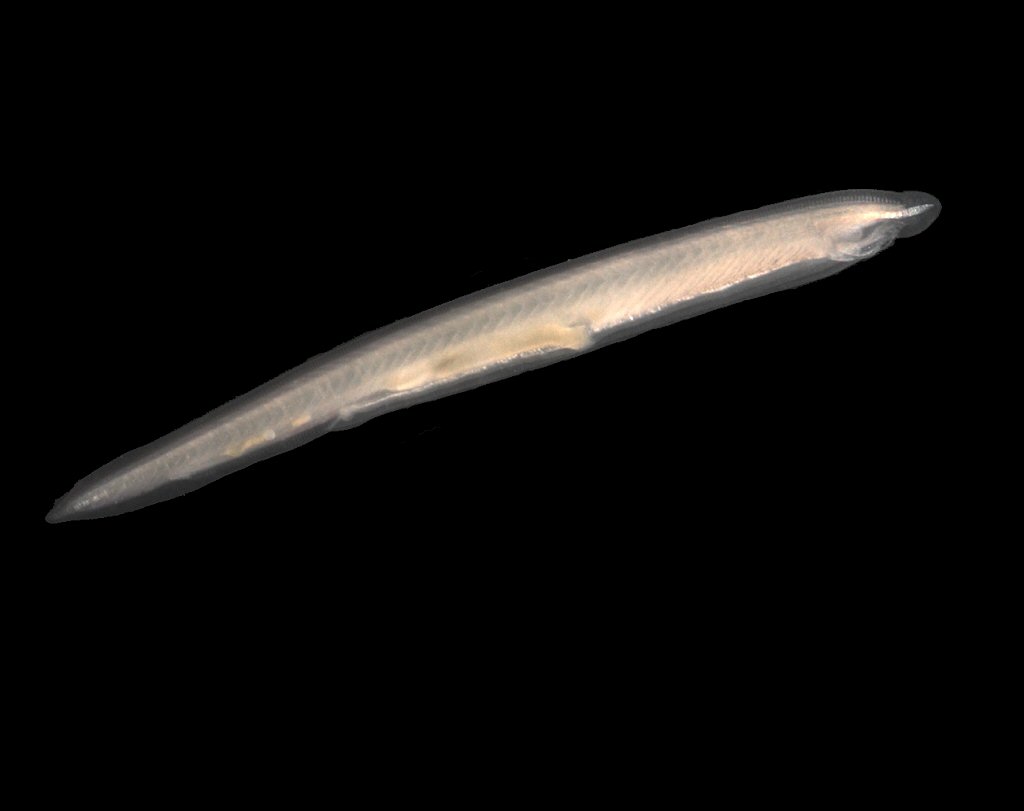


Key characteristics and anatomy
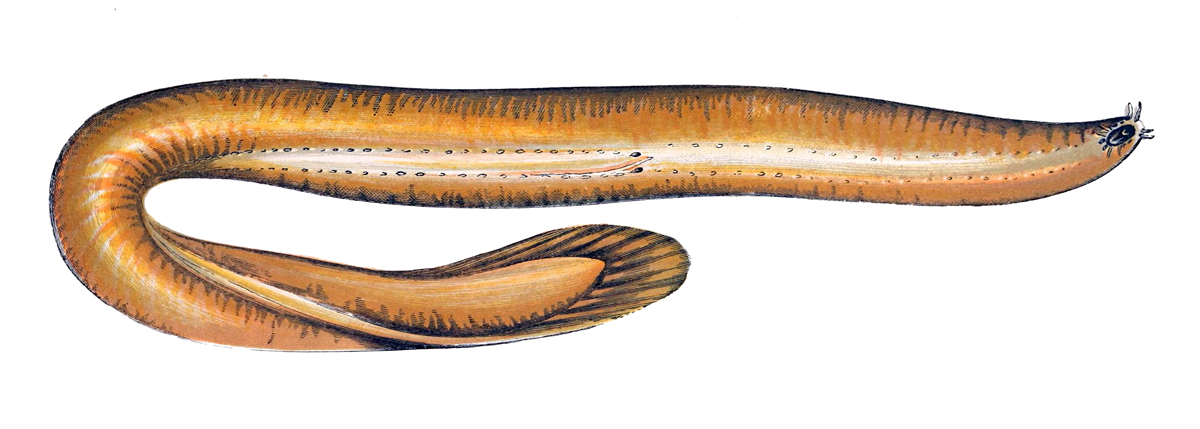
Lancelets display anatomical traits that typify chordates while lacking the complex head and vertebrae of vertebrates. Important features include a persistent notochord that runs the full length of the body, a dorsal hollow nerve cord, numerous pharyngeal slits used in filter feeding, and a post-anal tail. These features are present in adults and are used to infer ancestral chordate anatomy. Their simple body plan and retained primitive characters have led many systematic treatments to place lancelets as the closest relatives of craniates in some analyses; see discussions of the relationship to craniates.
- Notochord: a stiff but flexible rod that provides axial support.
- Dorsal nerve cord: a hollow nerve cord running dorsally above the notochord.
- Pharyngeal slits and endostyle: a pharyngeal basket filters food particles from water.
- Simple circulatory system: no true heart like vertebrates, but contractile vessels move blood.
Distribution, habitat and diversity
Lancelets occur in sandy and silty sediments of shallow coastal waters worldwide, from temperate to tropical regions. They are typically found with their anterior end projecting into the water column to draw water through the mouth and across the pharyngeal slits. The group is small—often cited as about thirty species in a few genera—and species accounts and identification keys are available in faunal lists and regional monographs; see species diversity and surveys of habitat preferences in coastal ecosystems. General distribution and ecological notes can be found under entries on marine seas and shoreline fauna.
Feeding, reproduction and life cycle
Lancelets are suspension feeders. Water entering the mouth is driven through the pharyngeal slits where mucus traps plankton and organic particles; ciliary action moves captured food to the gut. Most species are dioecious and reproduce by external fertilization: eggs and sperm are released into the water, and free-swimming larvae develop before settling and maturing into the adult form. Detailed studies of development and life history are available in comparative embryology and developmental biology sources.
Human uses and regional importance
In some parts of Asia lancelets are harvested and used as food; they may be sold locally or used as feed for domesticated animals. Regional reports and fisheries notes document such uses; see material on Asian occurrences, harvesting and uses, and specific references to use by humans or as feed for domesticated animals.
Scientific significance
Lancelets are widely used in comparative biology because they retain a relatively simple body plan together with many genes and developmental pathways shared with vertebrates. Genome sequencing projects and embryological comparisons have made lancelets key taxa for reconstructing ancestral chordate gene networks and for hypotheses about the origin of vertebrate features. They are important subjects in general zoology and developmental research; see resources on zoology and research and on the origin of vertebrates for further reading.
Conservation status varies by species and region. Because lancelets live in sediments, they can be sensitive to shoreline modification, pollution and changes to sediment quality, and local declines have been reported where habitats are degraded. For taxonomic lists, conservation assessments and further references consult museum catalogs and biodiversity portals.
Questions and answers
Q: What are lancelets?
A: Lancelets are a group of primitive chordates that were formerly called Amphioxus.
Q: What is their fossil record?
A: The lancelets' fossil record dates back to the Cambrian period.
Q: What is the lancelets' relation to the craniates?
A: The lancelets are usually said to be the sister group of the craniates.
Q: How many species of lancelets are there?
A: There are about 30 species of lancelets in two genera.
Q: Where are lancelets usually found?
A: Lancelets are usually found buried in sand in shallow parts of temperate or tropical seas.
Q: Are lancelets consumed by humans?
A: Yes, in Asia, they are harvested commercially as food for humans and domesticated animals.
Q: Why are lancelets important in zoology?
A: Lancelets are an important object of study in zoology because they give indications about the origin of vertebrates.
Related articles
Author
AlegsaOnline.com Lancelet (Cephalochordata): anatomy, evolution, and biological importance Leandro Alegsa
URL: https://en.alegsaonline.com/art/55765