
La traviata — Verdi's opera of love, society and sacrifice
La traviata is Giuseppe Verdi's three-act Italian opera, based on Dumas fils' La dame aux camélias. Premiered in Venice in 1853, it remains a cornerstone of the operatic repertoire.
La traviata is a three-act Italian opera by Giuseppe Verdi, with a libretto crafted by Francesco Maria Piave. The drama adapts the popular novel La dame aux camélias by Alexandre Dumas, fils, first published in 1848. Its title is usually translated as "The Fallen Woman" or "The Woman Who Strayed," and the story explores themes of love, social pressure, and personal sacrifice set in mid-19th-century Paris.
Image gallery
9 Images


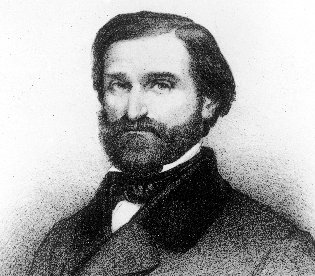

Structure and principal characters
La traviata is written in three acts and follows a compact, lyrical structure that blends intimate ensembles with set-piece arias. Principal roles include the courtesan Violetta Valéry (soprano), the young Alfredo Germont (tenor) and his father, Giorgio Germont (baritone). Other figures surround them in salon and country-house scenes that contrast urban gaiety with personal tragedy.
- Notable arias and numbers: the drinking song "Brindisi" (the ensemble often known as "Libiamo ne' lieti calici"), Violetta's cabaletta "Sempre libera", and the farewell "Addio del passato."
- Musical style: rich lyrical writing, clear melodic lines, and dramatic orchestral color support the singers rather than overshadow them.
Origins and premiere
The work was composed rapidly in the early 1850s and premiered at Teatro La Fenice in Venice on March 6, 1853. Contemporary accounts describe a mixed initial reception: critics and audiences were divided, and Verdi later revised parts of the score. Despite a rocky debut, the opera quickly gained popularity and entered the standard repertory across Europe.
Performance history and interpretations
La traviata has been one of the most frequently performed and recorded operas worldwide. Its intimate scale and emotional immediacy have attracted many acclaimed singers. Famous interpreters have included Maria Callas, Anna Moffo, Renata Scotto and Beverly Sills, among numerous others. Productions range from faithful period stagings to modern, concept-driven reinterpretations that relocate or recontextualize the drama.
Significance and notable facts
La traviata is valued for its direct emotional appeal and its focus on a woman's inner life rather than grand historical events. Its popularity owes much to Verdi's gift for melody and dramatic pacing: moments of public celebration in salon scenes are balanced with quiet, heartbreaking intimacy as Violetta confronts illness and social exclusion. The opera also served to broaden operatic subjects toward contemporary social issues during Verdi's career.
For general background and further reading, consult typical opera guides and collections of Verdi's works; many recordings and filmed performances illustrate how interpretations of La traviata have evolved over time.
Related articles
Author
AlegsaOnline.com La traviata — Verdi's opera of love, society and sacrifice Leandro Alegsa
URL: https://en.alegsaonline.com/art/55145