
Renata Scotto
Italian operatic soprano Renata Scotto (born 1934) enjoyed a long international career and is celebrated for her interpretations of Verdi and Puccini, later working as a teacher and stage director.
Overview
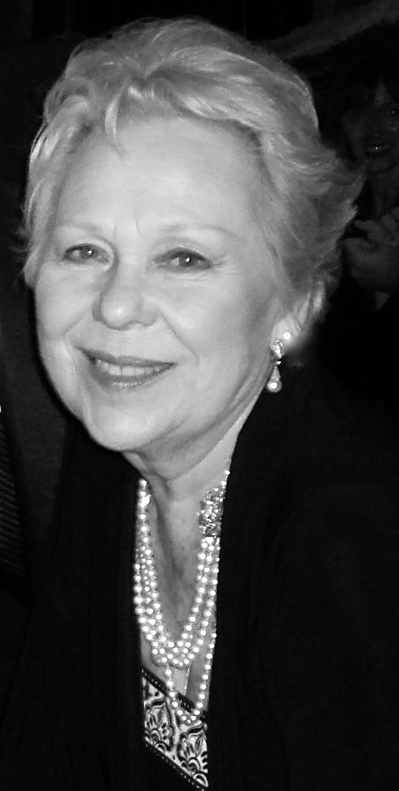
Renata Scotto (born 24 February 1934) is an Italian operatic soprano renowned for a versatile voice, dramatic intensity and long international career. Emerging in the mid-20th century, she became particularly associated with Italian repertory—most notably Verdi and Puccini—and was admired for her ability to combine technical finesse with vivid characterization.
Image gallery
3 Images

Voice and repertoire
Scotto's voice was praised for its lyrical warmth, flexible phrasing and capacity to convey nuanced emotion. She sang a broad range from bel canto works to verismo and the later Verdi and Puccini heroines, handling both delicate pianissimo lines and more dramatic passages. Critics and audiences valued her musicianship and attention to text as much as vocal beauty.
Career and notable roles
During a career that took her to the major opera houses of Europe and the Americas, Scotto became closely identified with a number of signature parts. Her repertory included leading soprano roles that demanded both vocal agility and strong acting, such as:
- Violetta (La Traviata)
- Cio-Cio-San (Madama Butterfly)
- Tosca (Tosca)
- Manon and other lyric-dramatic heroines
She performed at leading venues and worked with many prominent conductors and colleagues of her generation, building a reputation for compelling stage presence and interpretive intelligence.
Recordings, teaching and directing
Scotto made numerous studio and live recordings that document her approach to role and style; these recordings remain reference points for students and aficionados of Italian opera. After retiring from full-time singing she turned to stage direction and vocal pedagogy, sharing practical stage experience with a new generation of singers and occasionally directing productions herself.
Legacy and distinctions
Renata Scotto is remembered as one of the leading Italian sopranos of her era. Her combination of expressive singing, dramatic commitment and later work as a teacher and director has ensured a lasting influence on performance practice and interpretation of Italian opera. While assessments of any artist evolve, her recordings and filmed performances continue to be consulted by singers and listeners seeking examples of musical and theatrical integration.
Author
AlegsaOnline.com Renata Scotto Leandro Alegsa
URL: https://en.alegsaonline.com/art/129396