
Maria Callas: life, voice, repertoire and legacy
Greek-born soprano Maria Callas (1923–1977), known as 'La Divina', transformed 20th-century opera with a dramatic, expressive voice and a wide Italian repertoire, leaving a lasting influence on singing and stagecraft.
Maria Callas (December 3, 1923 – September 16, 1977) was a Greek-born artist and celebrated soprano whose career became one of the defining stories of 20th-century opera. She attracted both intense admiration and sharp criticism, earning a reputation as one of the most famous and often controversial performers of her era. Admirers bestowed on her the sobriquet La Divina in recognition of her dramatic intensity and stage presence.
Image gallery
10 Images
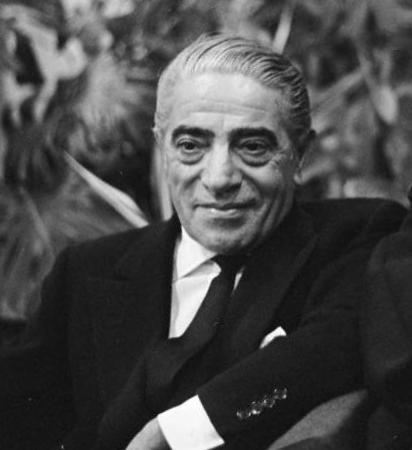
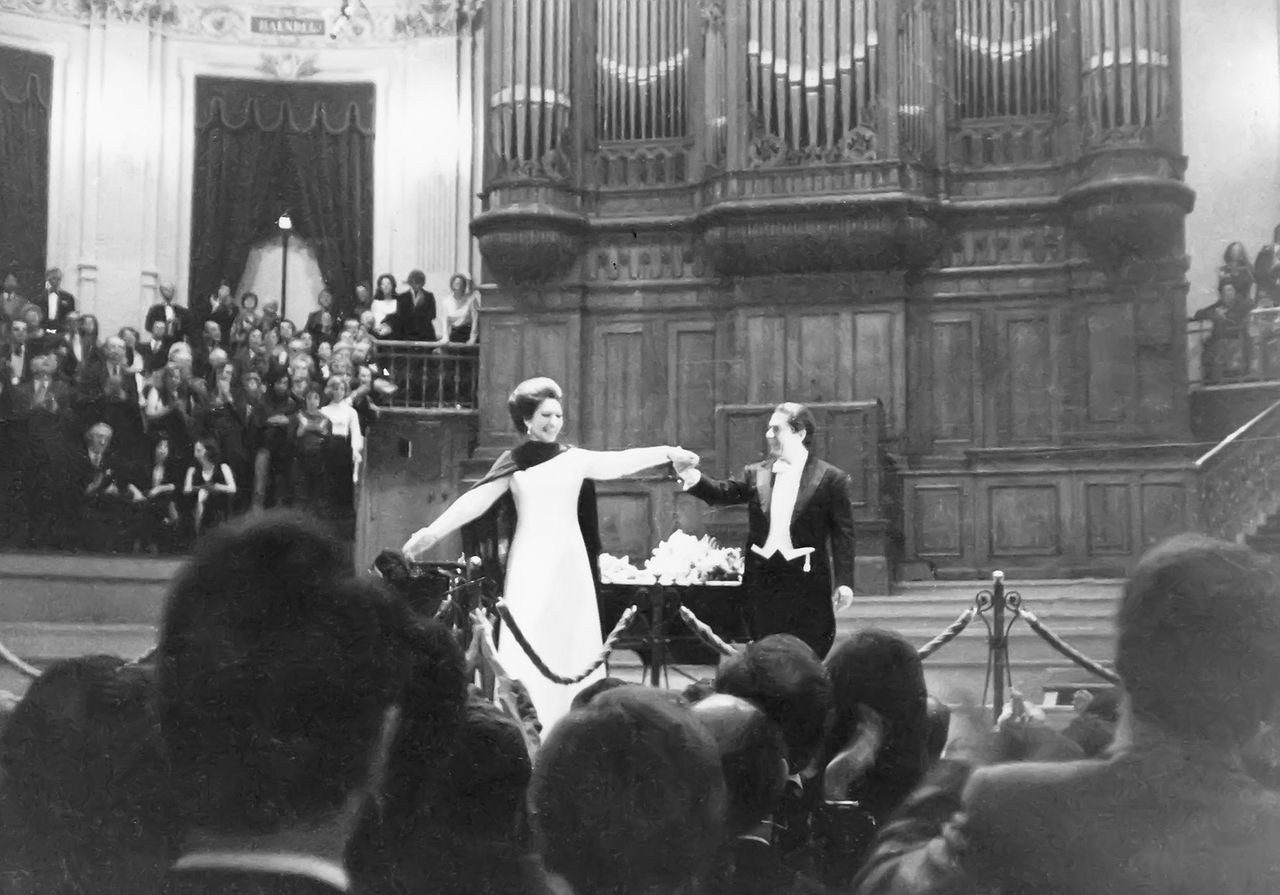


Voice and artistry
Callas's voice combined a broad range, clear coloratura facility and a capacity for expressive declamation. Her technical command enabled rapid runs and high notes while her interpretive skills emphasized character and text. Critics and colleagues often contrasted her dramatic commitment with contemporaries who favored a more purely beautiful tone; this tension helped make her performances electrifying and, at times, contentious. She is frequently credited with helping to revive interest in bel canto works through a fusion of vocal agility and theatrical realism.
Career and repertoire
Although she sang many kinds of roles, Callas is particularly linked to the Italian repertoire. Her interpretations set standards for several parts and are preserved on studio and live recordings as well as filmed performances. Signature roles include:
- Bellini — Norma
- Donizetti — Lucia in Lucia di Lammermoor
- Giuseppe Verdi — La traviata
- Giacomo Puccini — Tosca
Her engagements at major houses and recording contracts brought these roles to international attention. Callas's repertoire ranged from lighter coloratura parts to weightier dramatic heroines, demonstrating her versatility and willingness to stretch vocal boundaries.
Born to Greek parents and trained initially in Athens before studying further in Italy, her personal life often paralleled the drama of her stage roles. Public fascination extended beyond music to her relationships and career decisions; these aspects sometimes intensified debates about her technique and legacy.
Legacy: Maria Callas influenced generations of singers and directors by emphasizing the marriage of musical detail and theatrical truth. Her recordings remain reference points for students and listeners, and her life story continues to be examined in biographies, documentaries and scholarly studies. For a broader overview of her recorded output, stage appearances and critical reception, consult specialized discographies and biographies available through music libraries and reputable online resources (biographical source, discography).
Further reading and archival material can clarify debates about her technique and the many sides of her artistic personality; she remains a central figure in discussions of voice, interpretation and the theatrical art of singing.
Questions and answers
Q: Who was Maria Callas?
A: Maria Callas was a Greek soprano, who was one of the most famous and controversial opera singers of the 20th century.
Q: What was Maria Callas' nickname?
A: Maria Callas was dubbed "La Divina" (The Divine One) by her admirers.
Q: What were Maria Callas' notable operatic roles?
A: Maria Callas was mainly associated with the Italian repertoire, particularly Bellini's Norma, Donizetti's Lucia di Lammermoor, Verdi's La traviata and Puccini's Tosca.
Q: What was distinctive about Maria Callas' voice?
A: Maria Callas had a very distinctive voice of great range, power, and agility that enabled her to sing a wide variety of roles.
Q: Was Maria Callas a singer or an actress?
A: Maria Callas was a singer-actress of great dramatic intensity.
Q: When was Maria Callas born and when did she die?
A: Maria Callas was born on December 3, 1923, and died on September 16, 1977.
Q: Why was Maria Callas considered controversial?
A: Maria Callas was considered controversial because of her personal life and her vocal style, which some traditionalists criticized as being too "unorthodox."
Related articles
Author
AlegsaOnline.com Maria Callas: life, voice, repertoire and legacy Leandro Alegsa
URL: https://en.alegsaonline.com/art/61802