
Lakmé — French opera by Léo Delibes
Lakmé is a three-act French opera by Léo Delibes (1883), famous for the 'Flower Duet' and the coloratura 'Bell Song'; it remains a staple of the lyric repertoire and an example of 19th-century exoticism.
Overview
Lakmé is a three-act French opera composed by Léo Delibes and first staged at the Opéra-Comique in Paris on 14 April 1883. The libretto, written by Edmond Gondinet and Philippe Gille, was adapted from Pierre Loti's novel Le mariage de Loti; the librettists relocated and reshaped the narrative to provide an exotic Indian setting and a compact dramatic arc. From its premiere the work achieved immediate success and has retained a regular place in the repertory of lyric theatres.
Image gallery
4 Images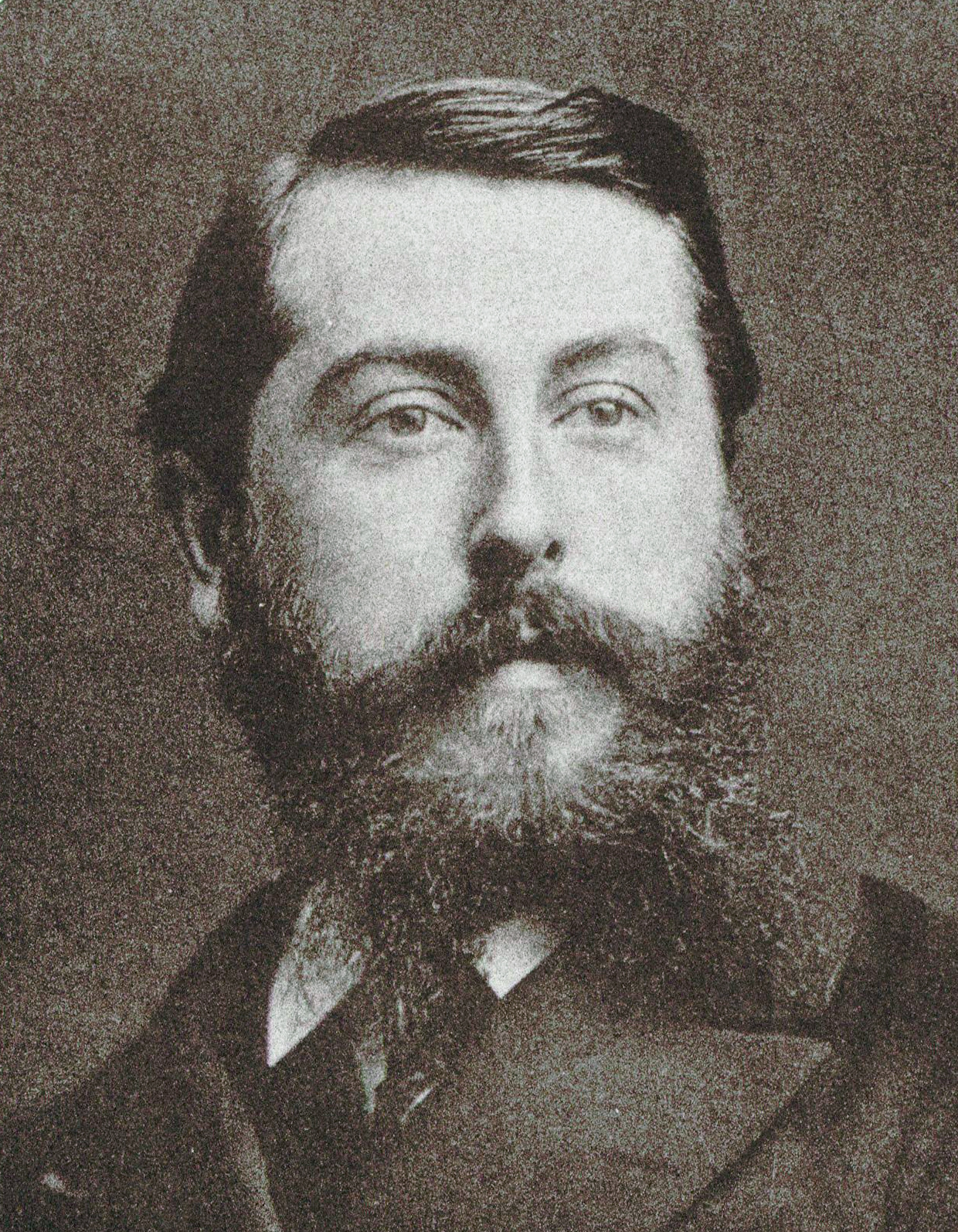


Characters and dramatic outline
The drama centers on a small cast of principal roles that set up a love story framed by cultural and religious tensions. The main parts typically include:
- Lakmé — soprano, the heroine
- Mallika — mezzo-soprano, her confidante
- Gérald — tenor, a European officer and love interest
- Nilakantha — bass, Lakmé's father and a Hindu priest
The plot follows Lakmé and Gérald as their relationship develops under the watchful eye of Nilakantha and the social pressures of the colonial setting; the work concludes on a tragic note, in keeping with the melodramatic conventions of the period.
Musical style and notable numbers
Delibes's score is admired for its graceful melodic lines, refined orchestral colour and deft vocal writing. Two excerpts have become especially well known beyond the opera house: the duet for soprano and mezzo-soprano often called the "Flower Duet" (a lyrical, flowing scene for two voices) and Lakmé's demanding coloratura aria, the so-called "Bell Song," which showcases agility and purity of tone. The original production was presented as an opéra comique, a genre that traditionally included spoken dialogue; later performances sometimes substitute sung recitative to suit different staging preferences.
History, reception and cultural significance
Although Delibes is better known for his ballets such as Coppélia and Sylvia, Lakmé is his most enduring operatic achievement. Its early popularity helped establish Delibes's reputation in French lyric theatre. The opera also exemplifies late 19th‑century European exoticism — composers and librettists drew on imagined "Eastern" colours and atmospheres to evoke foreign locales for Western audiences. In the 20th and 21st centuries excerpts from Lakmé became commonplace in concert programs, recordings and various media, bringing the work's best-known melodies to a much wider public.
Performance considerations and references
Staging Lakmé involves balancing intimate vocal writing with colourful orchestral textures and period-appropriate costume and design choices. Singers cast in the title role must combine lyrical warmth with technical facility for florid passages. For those seeking texts, translations or production materials, the opera's original libretto and historical performance notes are readily consulted by companies and scholars. Lakmé remains studied as both a charming example of French lyricism and a document of its cultural moment.
Questions and answers
Q: Who composed Lakmé?
A: Lakmé was composed by Léo Delibes.
Q: In which language is Lakmé?
A: Lakmé is a French opera.
Q: When was Lakmé first performed?
A: Lakmé was first performed on April 14, 1883 at the Opéra-Comique in Paris.
Q: Who wrote the libretto for Lakmé?
A: The libretto for Lakmé was written by Edmond Gondinet and Philippe Gille.
Q: What is the source material for Lakmé's libretto?
A: The source material for Lakmé's libretto is Pierre Loti Rarahu's Le mariage de Loti.
Q: Has Lakmé remained popular over the years?
A: Yes, Lakmé has remained one of the most popular French operas.
Q: Was Lakmé a success at its premiere?
A: Yes, Lakmé was an immediate success at its premiere.
Related articles
Author
AlegsaOnline.com Lakmé — French opera by Léo Delibes Leandro Alegsa
URL: https://en.alegsaonline.com/art/55620