
Kurt von Schleicher (1882–1934)
German general and politician whose short chancellorship and backroom efforts in late Weimar politics helped shape the crisis that brought the Nazis to power; assassinated in the Night of the Long Knives.
Kurt Ferdinand Friedrich Hermann von Schleicher (born 7 April 1882 in Brandenburg an der Havel — died 30 June 1934 in Babelsberg) was a German army officer and conservative politician who served as Chancellor of Germany during the final months of the Weimar Republic. His career bridged the professional military and volatile party politics of the 1920s and early 1930s; he was a key intermediary between the Reichswehr, President Paul von Hindenburg, and various nationalist and worker groups. Schleicher was assassinated in 1934 during the purge known as the Night of the Long Knives.
Image gallery
10 Images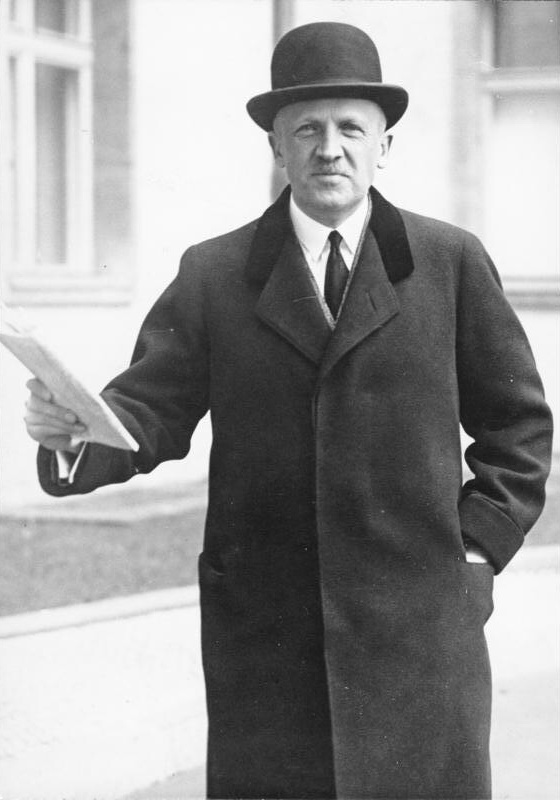


Early life and military career
Schleicher trained as a Prussian officer and saw staff service in the German army during World War I. After the war he remained in the Reichswehr (the interwar German armed forces) and rose to influence as a staff officer and liaison to political leaders. He became known for political intelligence, discreet negotiation, and for attempting to manage paramilitary forces and right-wing networks that proliferated in the postwar years. His military background helped him build a reputation as a stabilizing conservative figure for many in the officer corps.
Political ascent and chancellorship
By the early 1930s Schleicher was a central player in the collapse of parliamentary coalitions. He cultivated contacts across the political spectrum, seeking to form shifting alliances that might govern without large party majorities. He developed a close working relationship with President Paul von Hindenburg, who appointed him chancellor in December 1932. Schleicher's attempts to assemble a broad, non-parliamentary government were unsuccessful; he sought to neutralize extremist movements by co-opting social and conservative groups, but lacked durable support in the Reichstag.
Interactions with the Nazis and rivals
Schleicher operated in a charged environment where conservative elites, military leaders, and radical right factions competed for influence. He had contacts with elements of the National Socialist movement and other paramilitary organizations, and he attempted at times to split or moderate rival factions — including negotiations that involved figures associated with the SA leadership. Some historians note that the Reichswehr under certain officers maintained clandestine ties to right-wing militias; Schleicher himself pursued pragmatic arrangements rather than ideological alignment.
Downfall and assassination
Schleicher's government fell in January 1933 amid parliamentary deadlock and pressure from conservatives who believed they could control the rising National Socialist leader Adolf Hitler. Hitler was appointed chancellor shortly thereafter and later consolidated power, styling himself as Führer and ultimately a dictator. In June 1934 Schleicher was one of the principal targets of the regime's purge. During the operation carried out by the SS, Schleicher and his wife were shot and killed; Hitler claimed that alleged conspiracies involving figures such as Ernst Röhm justified the killings.
Legacy and historical significance
- Schleicher is often cited as an example of how conservative military and political elites, seeking stability, misjudged and thereby facilitated the Nazis' rise.
- His short tenure illustrates the breakdown of parliamentary compromise in late Weimar Germany and the limits of backroom politics when mass movements were ascendant.
- The manner of his death underscored the ruthlessness of Hitler's consolidation of power and the elimination of rivals from both the left and the conservative right.
Schleicher remains a controversial figure in German history: a professional soldier who entered partisan politics, attempted pragmatic coalitions, and became both a casualty and a symbol of Weimar's collapse and the violent transition to Nazi rule.
Related articles
Author
AlegsaOnline.com Kurt von Schleicher (1882–1934) Leandro Alegsa
URL: https://en.alegsaonline.com/art/54683
Sources
- 123exp-biographies.com : "The American Sniper and Red Dot Sights"
- spartacus.schoolnet.co.uk : spartacus.schoolnet.co.uk
- knowledgerush.com : knowledgerush.com/kr/encyclopedia/Kurt_von_Schleicher/
- commons.wikimedia.org : Kurt von Schleicher