
Führer — German word for 'leader' and its historical associations
German noun meaning leader or guide. Historically neutral, it became the political title of Adolf Hitler (Führer und Reichskanzler) and is now strongly associated with Nazi rule and taboo in modern usage.
The German term Führer literally means a leader or guide and derives from the verb führen, "to lead." In everyday German it can denote a person who leads, directs or guides others; examples include tour guides or group leaders. The word is a masculine noun (with a feminine form Führerin) and is pronounced roughly "FYOOR-er." In general contexts it remains a neutral descriptor for leadership roles.
Image gallery
2 Images
Etymology and common forms
From a linguistic perspective, Führer is built from the verb stem of führen plus the agentive suffix. It appears in many compound words such as Reiseführer (travel guide) and Anführer (ringleader). These compounded uses retain ordinary meanings unrelated to politics; for example, a guide for a city or museum is commonly called a Reiseführer in German.
Political use and Adolf Hitler
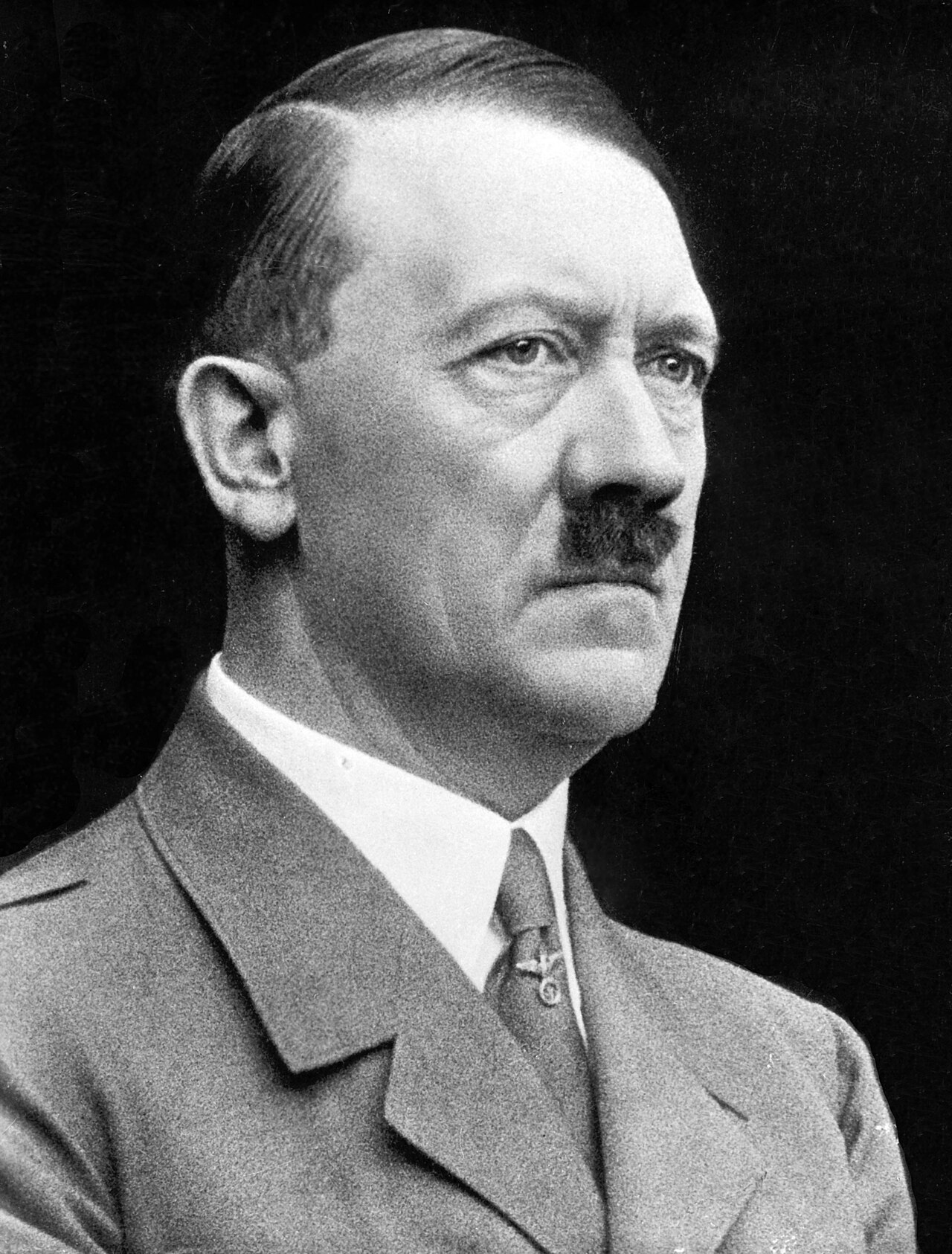
The word acquired a distinctive political meaning in the 20th century when it became the title adopted by Adolf Hitler. After the death of Paul von Hindenburg in 1934, Hitler combined the roles of head of state and head of government and styled himself Führer und Reichskanzler. In that context, the term signified supreme authority and was central to a cult of personality promoted by the Nazi regime. Prior to this consolidation, German political offices such as the Chancellor and the Reich President had distinct constitutional functions.
Because of this association, the single word Führer now evokes that historical period for many people and is frequently used in historical writing to refer specifically to Hitler’s title rather than to leaders in general.
Post‑war connotations and contemporary usage
After World War II, the term became culturally and politically charged. In contemporary Germany and many other countries it is often avoided in political speech except when referring to the historical office held by Hitler. Scholarly works, historical accounts and translations will use the word when discussing the Nazi era, but public organizations and media typically prefer alternative terms such as Leiter (director) or Führungsperson (leader figure) to prevent unintended associations.
Notable distinctions and facts
- The literal meaning is "one who leads," and it remains neutral in many compound words and occupational titles.
- The female form is Führerin, and plural forms follow standard German noun rules.
- Its modern connotation is heavily shaped by its use as a political title in Nazi Germany; historical references commonly use the term to denote that specific office.
- When researching the topic, readers may consult introductory overviews of German language and 20th‑century European history via general reference links such as leader resources or specific historical entries at academic sites and libraries (Chancellor context, Reich President context).
Because the word bridges ordinary linguistic usage and a loaded historical meaning, understanding context is essential: in neutral descriptions it denotes a guide or leader, while in twentieth‑century political history it refers to the title held by Hitler and the authority structure of the Nazi state.
Related articles
Author
AlegsaOnline.com Führer — German word for 'leader' and its historical associations Leandro Alegsa
URL: https://en.alegsaonline.com/art/36906