
Gwon Sang-ha
Joseon Dynasty scholar-official and writer who studied under Song Si-yeol and became a leading Noron Confucian thinker.
Gwon Sang-ha (1641–1721) was a Joseon Dynasty scholar-official, writer, and Neo-Confucian thinker. He is best remembered as a disciple and intellectual heir of Song Si-yeol and as one of the leading figures associated with the Noron faction, a powerful political and scholarly group in late Joseon Korea.
Image gallery
1 Image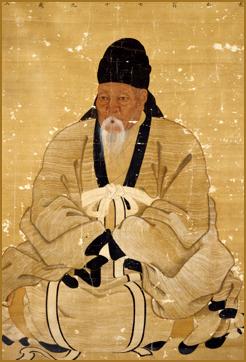
Background and career
Born into a period of intense political rivalry, Gwon worked within the world of the scholar-gentry, where learning, officeholding, and moral cultivation were closely connected. Like many Joseon elites, he studied the Chinese classics and engaged in debates over ritual, orthodoxy, and governance. His art names are usually given as Suam and Hansujae.
Gwon's reputation grew through his association with major Confucian teachers, especially Song Si-yeol and Song Jun-gil. After their generation, he helped sustain the intellectual line that valued strict adherence to the classical tradition and strong moral standards in public life. Because of this role, later writers often treated him as a bridge between Song Si-yeol's school and the mature Noron movement.
Political and intellectual significance
In Joseon politics, doctrinal disputes were rarely only academic. Questions about ritual practice, legitimacy, and the proper order of society could shape appointments, alliances, and purges at court. Gwon Sang-ha was active in this environment, and his standing reflected both his scholarship and his loyalty to the conservative Confucian position associated with the Noron.
- Scholar of classical Confucian learning
- Follower and successor in the Song Si-yeol line of thought
- Associated with the Noron faction in Joseon politics
- Author remembered for moral and philosophical writing
Legacy
Gwon Sang-ha died in 1721, leaving a reputation shaped by scholarship rather than dramatic statecraft. He remains important for understanding how Joseon intellectual life and factional politics were intertwined. To later readers, he represents the scholar-official ideal: a man expected to master texts, defend ritual norms, and participate in public affairs according to Confucian principles.
Related articles
Author
AlegsaOnline.com Gwon Sang-ha Leandro Alegsa
URL: https://en.alegsaonline.com/art/54741