
Kristine Miller
American film and television actress of the mid-20th century, noted for roles in film noir and westerns such as I Walk Alone, Too Late for Tears, and the TV series Stories of the Century.
Overview
Kristine Miller was an American screen actress active primarily in the late 1940s and 1950s. She is best remembered for parts in film noir and Western productions and for her steady work as movies gave way to television. Contemporary accounts describe her as a poised performer who fitted the era's mix of glamour and hard-edged drama; she is often listed among character actresses of postwar Hollywood and is credited as a reliable supporting presence in several notable pictures.
Image gallery
6 Images

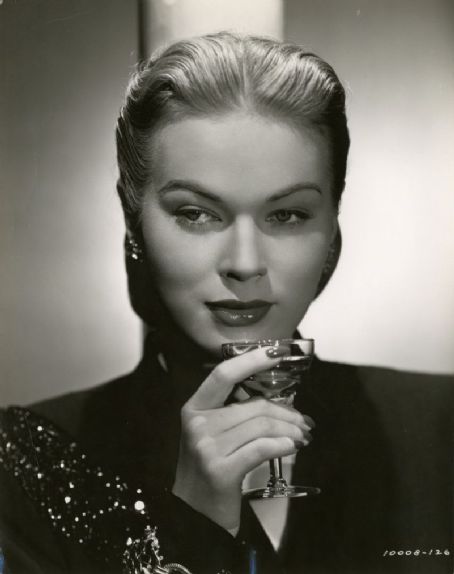


Early life and background
Miller was born in Buenos Aires, Argentina, on June 13, 1925 to a Danish father and an American mother. Her childhood and adolescence were transatlantic: she spent parts of her youth in cities across the United States — including New Orleans, Fresno, Long Island and San Francisco — and also lived in Copenhagen, Denmark. Miller later studied at San Francisco State College before pursuing work in motion pictures.
Screen career and notable roles
Miller's film career concentrated in the late 1940s and early 1950s, a period when Hollywood produced many morally complex crime dramas often labeled as film noir. She appeared in a number of studio features, including the crime drama I Walk Alone (1948) opposite Lizabeth Scott and Burt Lancaster, and other titles such as Jungle Patrol (1948), Too Late for Tears (1949) and Shadow on the Wall (1950). As the film industry shifted, Miller moved into television work and appeared in series of the era, most notably the Western anthology Stories of the Century (1954–55).
Selected filmography
- I Walk Alone (1948)
- Jungle Patrol (1948)
- Too Late for Tears (1949)
- Shadow on the Wall (1950)
- Stories of the Century (TV, 1954–55)
Personal life and later years
In 1953 Miller married William Schuyler and the couple remained together until his death in 2013; they had two daughters. In her later life she lived in California. Miller died in late 2015 in a hospital in Monterey, California, from congestive heart failure; the public announcement of her death came in early February 2016. Her long life spanned changes in the entertainment industry from the studio system to the television age.
Legacy and context
While she did not become a major star, Kristine Miller is remembered by film historians and classic-movie enthusiasts for her steady contributions to genre pictures of her era. Her work illustrates the role of supporting players in creating the atmosphere and moral ambiguity central to postwar crime dramas and the emerging television Western. For readers researching mid-century screen performers, Miller's career offers a representative example of actresses who moved between cinema and early television and who brought a consistent professionalism to secondary and character roles.
For additional reference and archival material, see film databases and period trade publications that document studio-era casting and credits.
Further reading: career overview | Film noir context | Western genre | Lizabeth Scott | Burt Lancaster | Buenos Aires | Argentina | Danish background | Fresno | Copenhagen | Denmark | Monterey
Related articles
Author
AlegsaOnline.com Kristine Miller Leandro Alegsa
URL: https://en.alegsaonline.com/art/54474
Sources
- hollywoodreporter.com : "Kristine Miller, Hollywood Starlet of the 1940s, Dies at 90"