
Kristallnacht (Night of Broken Glass): November 9–10, 1938
Kristallnacht was a coordinated anti-Jewish pogrom across Nazi Germany and Austria on 9–10 November 1938 that destroyed synagogues and businesses, led to mass arrests and signalled a sharp escalation of persecution.
Overview
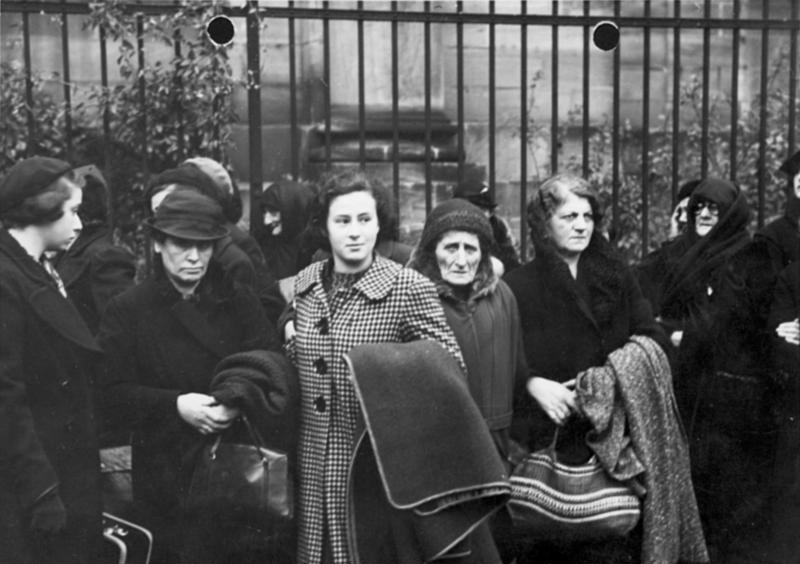
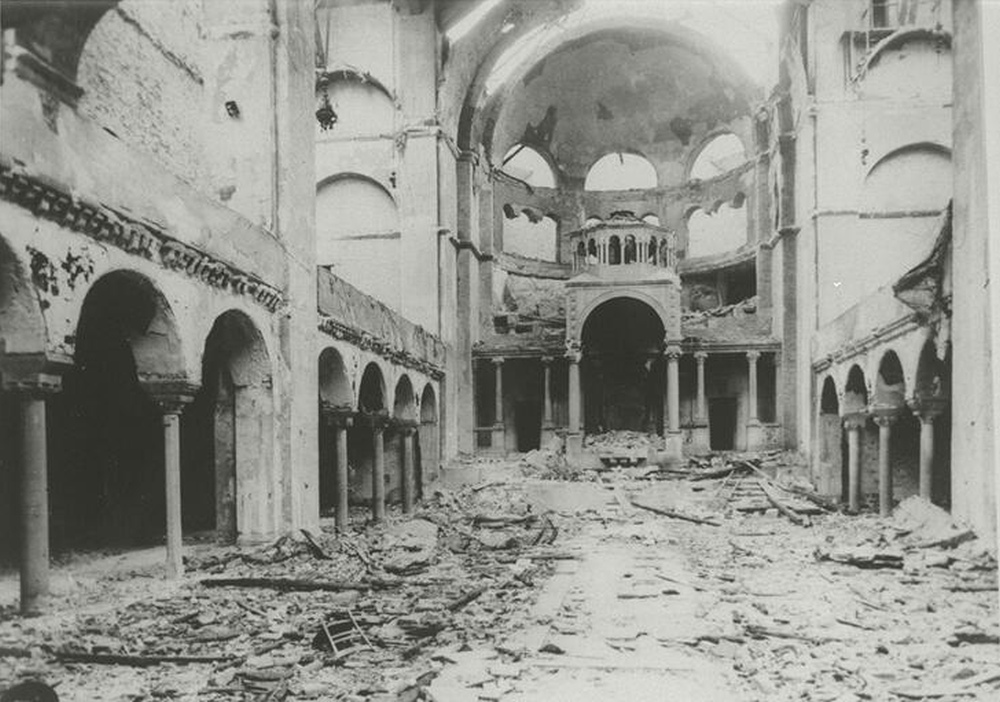
Kristallnacht, often called the "Night of Broken Glass," refers to a series of violent attacks on Jewish people, property, and institutions across Nazi Germany and parts of annexed Austria on the night of 9–10 November 1938. The events are widely seen as a major escalation from discriminatory laws and social exclusion to openly sanctioned physical violence, mass arrests and broad property expropriation. Contemporary reports and later historical research describe widespread destruction of synagogues, shops and cemeteries, large-scale looting, and the detention of many Jewish men in concentration camps.
Image gallery
10 Images




Origins and immediate trigger
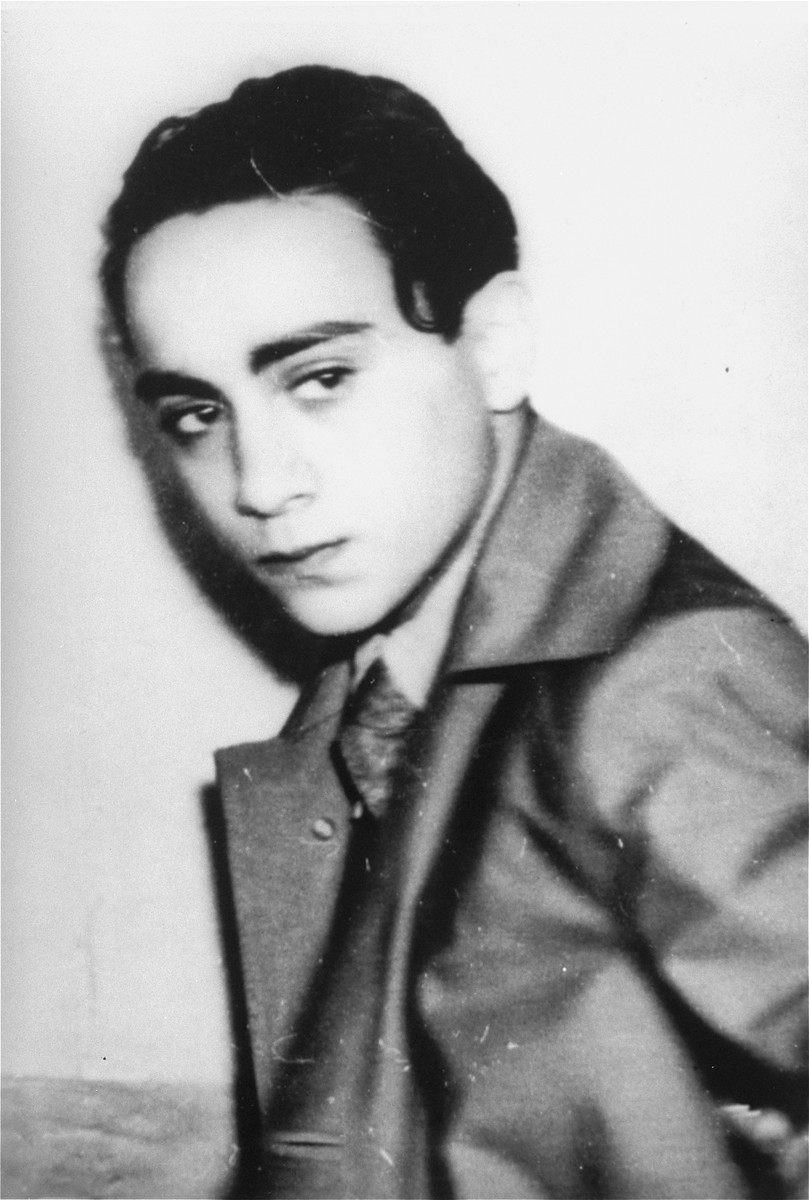
The immediate pretext for the violence was the shooting of Ernst Eduard vom Rath, a German diplomat in Paris, by Herschel Grynszpan, a Polish-Jewish teenager, on 7 November 1938. Vom Rath died of his wounds on 9 November. The motives behind Grynszpan's action were the subject of dispute and later legal proceedings; he gave various explanations during interrogation and subsequent hearings. The Nazi leadership used the incident as justification to order or encourage violent reprisals against Jewish communities, presenting the attacks as spontaneous popular outrage while many actions were organized or tolerated by party and state authorities.
Scope and characteristics
The attacks took several forms: synagogues were set ablaze or otherwise desecrated; Jewish-owned shops and businesses were smashed and looted; homes and community buildings were vandalized; and Jewish cemeteries were attacked in many places. Thousands of Jewish men were arrested and deported to concentration camps in the days that followed. Official proclamations and press coverage framed the violence as punishment and put collective financial and legal burdens on Jewish communities, including fines and the forced transfer of property.
Consequences and significance
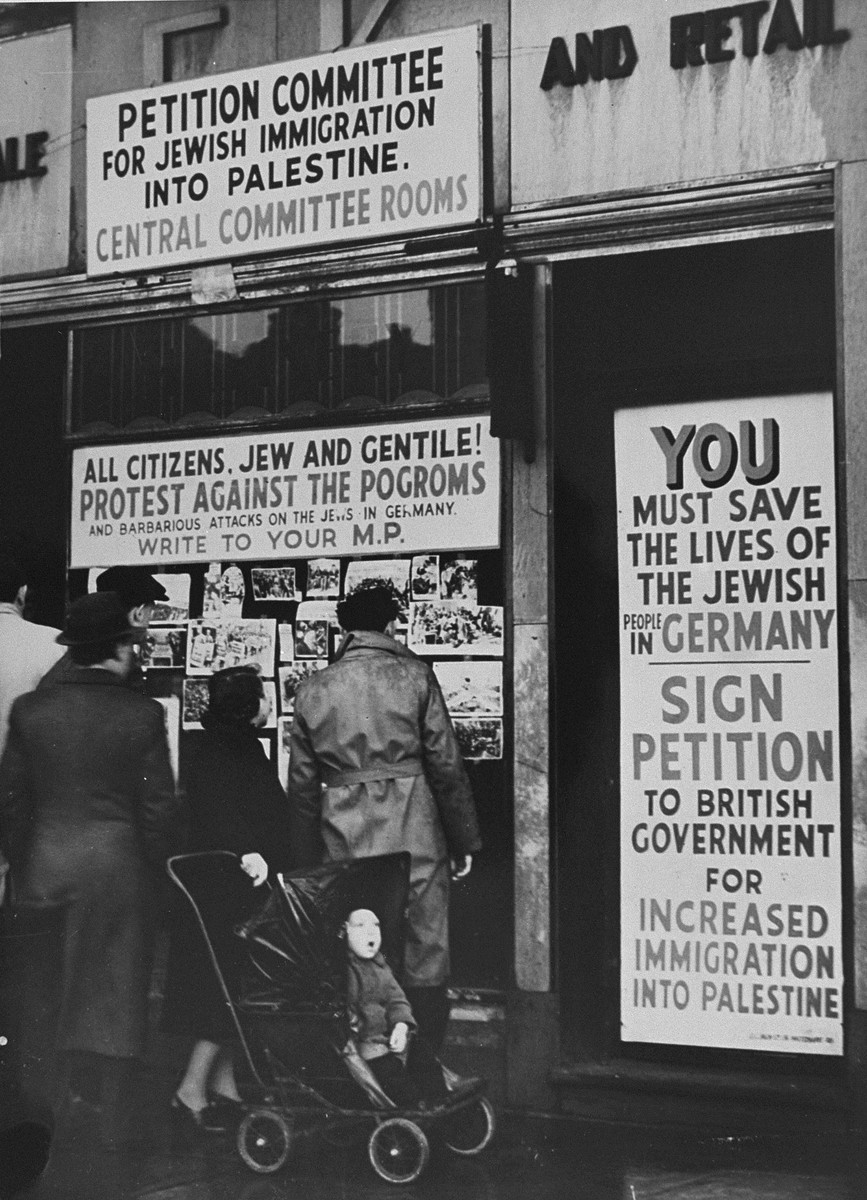
Kristallnacht is commonly regarded by historians as a turning point in Nazi policy toward Jews. Before November 1938, anti-Jewish measures had been enacted mainly through discriminatory legislation, social exclusion and economic pressure; after Kristallnacht, the regime moved toward systematic mass incarceration, forced emigration under duress, and, ultimately, genocidal policies during World War II. The event also influenced international opinion, spurred some emigration and refugee efforts, and left a lasting legacy in collective memory and historical scholarship.
Interpretation, memory and legal aftermath
Scholars analyze Kristallnacht as a case study in how state propaganda and organizational structures can turn prejudice into large-scale violence. In postwar trials and commemorations, attention focused on responsibility at several levels—local perpetrators, police and administrative complicity, and high-level Nazi directives. Kristallnacht is commemorated in many countries as a warning about hatred, intolerance and the collapse of legal protections for minority groups.
Key facts
- Date: Night of 9–10 November 1938.
- Location: Cities and towns across Nazi Germany and annexed Austria.
- Immediate trigger: Shooting of a German diplomat in Paris.
- Forms of violence: Arson, vandalism, looting, arrests and deportations.
- Historical importance: Marked a decisive escalation toward organized, state-backed persecution.
Further resources
- Eyewitness accounts and testimonies
- Contemporary newspaper reports
- Studies of events in Austria
- Research on arrests and camps
- Documentation of synagogue destruction
- Reports on cemetery desecration
- Analyses of German domestic policy
- Context: anti-Jewish laws and measures
- Studies on persecution and deportation
- Emigration and refugee responses
- Biographical material on Herschel Grynszpan
- Background on Polish-German border policies
- Information on the assassination weapon and evidence
- Profiles of diplomats involved
- Diplomatic relations and embassy records
- Legal proceedings and later hearings
- Comparative incidents before 1938
- Contemporary events that constrained early Nazi actions
The history of Kristallnacht remains a subject of study because it illustrates how discriminatory rhetoric and incremental lawmaking can culminate in violent state-supported persecution. For readers seeking more detail, the resources above offer pathways to primary documents, survivor testimony and scholarly analysis.
Questions and answers
Q: What is Kristallnacht?
A: Kristallnacht (also called Reichskristallnacht, Reichspogromnacht, or Night of the Broken Glass) was a two-day pogrom that happened against Jews in Nazi Germany and parts of Austria between 9 and 10 November 1938.
Q: How did it start?
A: It started when Herschel Grynszpan (sometimes also spelled Grünspan), a 17-year-old Jew living in Paris, fired shots at Ernst Eduard vom Rath, who was a secretary of the German embassy in Paris on 7 November. Vom Rath died of his wounds on 9 November.
Q: What was Grynszpan's motive?
A: In a judicial hearing in 1942, he said it was revenge for his family being made to go back to Zsbaszyn in Poland even though the younger children had been born in Germany. He meant to shoot the ambassador but hit the secretary instead.
Q: What were some of the consequences of Kristallnacht?
A: About 30,000 Jews were moved to concentration camps and over 1,500 synagogues were pillaged and partly destroyed. Also almost all Jewish cemeteries in Germany and Austria were destroyed. This marked the change from discriminating against Jews to actively persecuting and deporting them.
Q: Was there an event similar to Kristallnacht before this one?
A: Yes, there had been a similar event in February 1936 where a Jewish student named David Frankfurter fired shots at NSDAP secretary Wilhelm Gustloff but there were almost no consequences because at that time they could not act due to the 1936 Summer Olympics taking place in Berlin.
Q: How did Nazis use this event as an excuse?
A: The Nazis used this event as an excuse to seize Jewish property.
Related articles
Author
AlegsaOnline.com Kristallnacht (Night of Broken Glass): November 9–10, 1938 Leandro Alegsa
URL: https://en.alegsaonline.com/art/54463