
Secretary: role, duties, history and modern developments
Overview of the secretary role: typical duties, skills, historical development, related job titles, and how the position has changed in modern offices and institutions.
A secretary is an office professional who provides administrative support to an organization or to individuals in leadership positions. Secretarial work appears across many settings, including business, school, hospital and government environments. While the basic aim is to keep operations running smoothly, the specific tasks and level of responsibility vary widely by workplace and title.
Image gallery
10 Images



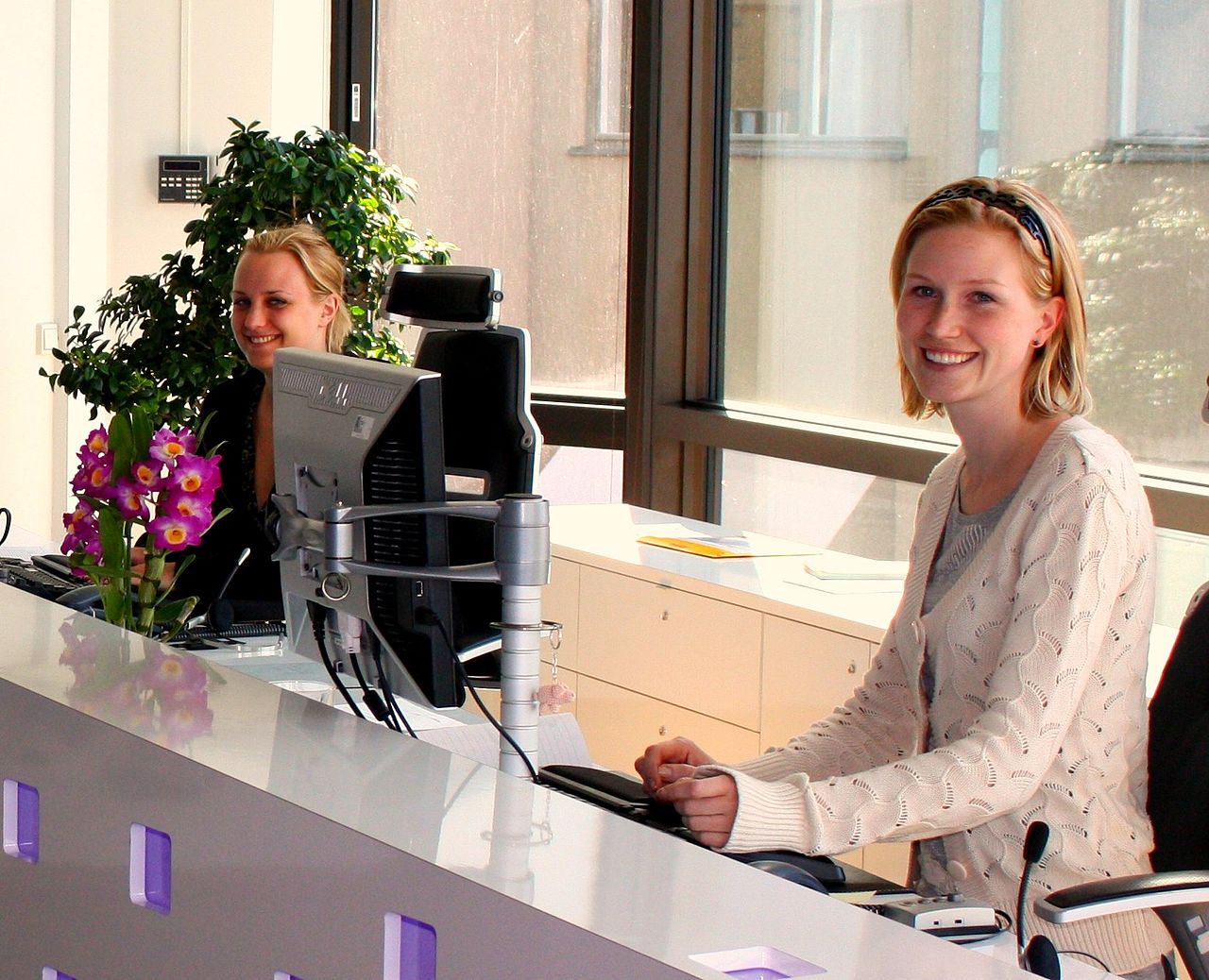
Common responsibilities
Typical duties performed by secretaries include maintaining paper and electronic records; managing calendars and scheduling meetings; preparing and editing documents; handling incoming and outgoing communications; and greeting visitors. Many secretaries also perform specialized tasks such as bookkeeping, managing office supplies, or maintaining an office website. Routine activities frequently listed are:
- Phone and message management, including telephone screening and routing.
- Drafting, formatting and filing letters and reports related to correspondence.
- Organizing physical and digital filing systems to support quick retrieval of information.
- Coordinating appointments, travel and meetings; preparing agendas and minutes.
Skills, tools and qualities
Effective secretaries combine interpersonal and technical abilities. Core skills include clear written and verbal communication, attention to detail, time management and discretion with confidential material. On the technical side, proficiency with office software (word processing, spreadsheets, email and calendar applications), basic database management and often content-management systems or in-house platforms is expected. Many positions now require comfort with cloud services and collaboration tools as remote and hybrid work increase.
History and professional development
The secretarial occupation developed alongside modern offices and business administration in the 19th and 20th centuries as clerical systems and typewriting became widespread. Historically, tasks such as shorthand and typewriting were central to the role. Over time the job expanded from primarily clerical duties to include project coordination and administrative decision-making. The field has professionalized: associations, training programs and certifications (for example, recognized administrative credentials) have emerged to support career development. An annual recognition began in the mid-20th century as a day for secretarial staff and has since evolved into what is commonly called Administrative Professionals' Week.
Titles and distinctions
Different workplaces use varied titles for related roles: receptionist, administrative assistant, executive assistant, office clerk and secretary can overlap but are not identical. Receptionists generally focus on front-desk duties and visitor contact; administrative assistants perform broader office tasks; executive assistants often support senior executives and may handle confidential or high-level administrative functions. The scope of responsibility and required experience distinguish these positions.
Today the role continues to adapt: many secretaries take on technology-centered duties, coordinate remote teams, and act as liaisons among departments. Their work contributes directly to organizational efficiency and continuity, and the position remains an entry point to advanced administrative and managerial careers in many sectors.
Related articles
Author
AlegsaOnline.com Secretary: role, duties, history and modern developments Leandro Alegsa
URL: https://en.alegsaonline.com/art/88477
Sources
- bls.gov : "BLS"
- dol.gov : "Women's Bureau (WB) - 20 Leading Occupations of Employed Women 2002 (Text Version)"