
Kratos (God of War): Origins, evolution and cultural impact
Kratos, the Ghost of Sparta, is the central protagonist of Sony Santa Monica's God of War series — a complex antihero whose story spans Greek and Norse settings and influenced modern action storytelling.
Overview
Kratos, commonly called the "Ghost of Sparta," is the central character of the God of War franchise created by Sony Santa Monica Studio. He first appeared in the 2005 game God of War and was conceived as a tragic, violent figure whose origins draw from and reinterpret elements of Greek legend and broader mythology. Presented as a hardened Spartan warrior, Kratos' narrative combines personal trauma, divine conflict and epic encounters with gods and monsters.
Image gallery
6 Images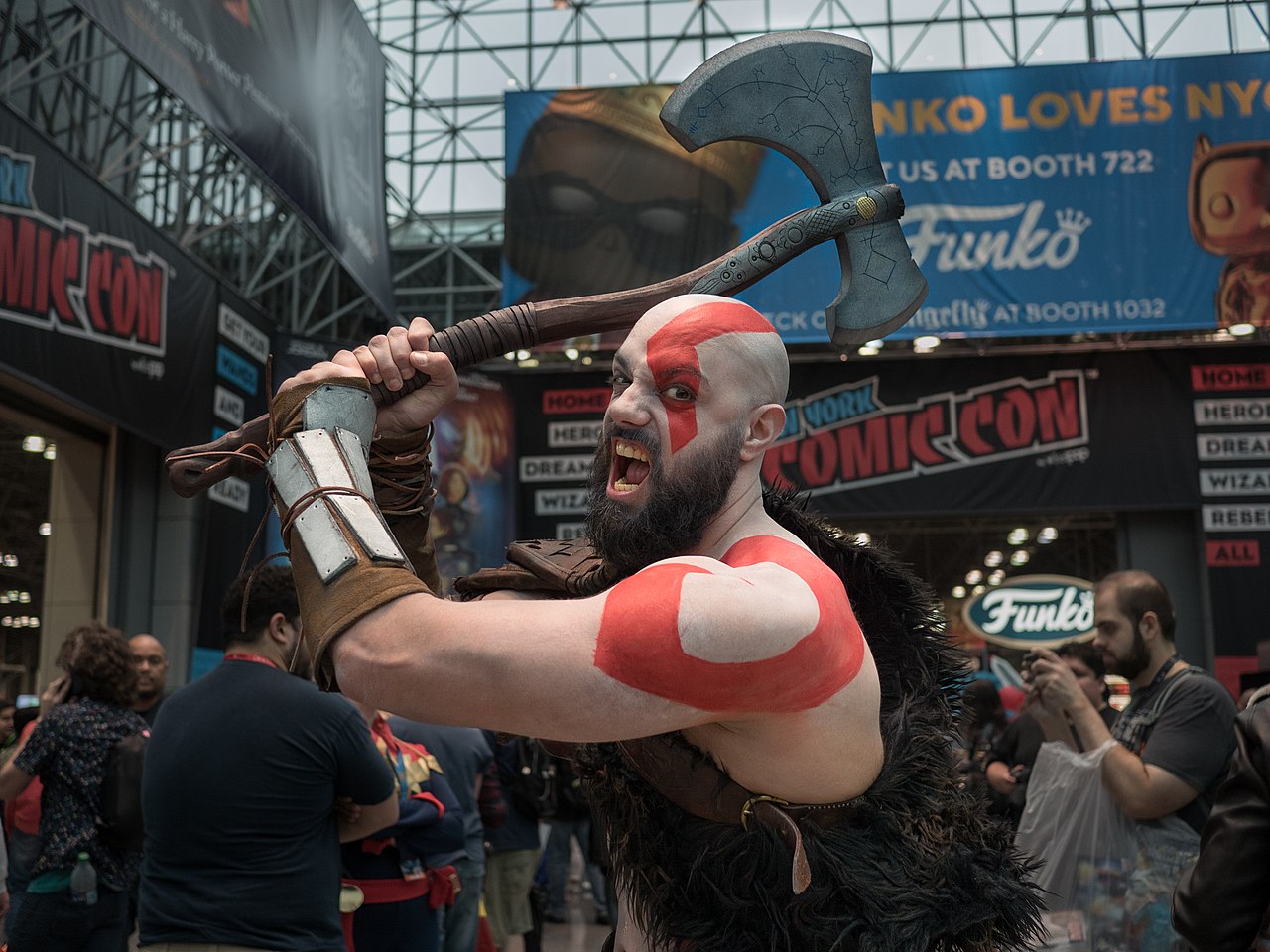
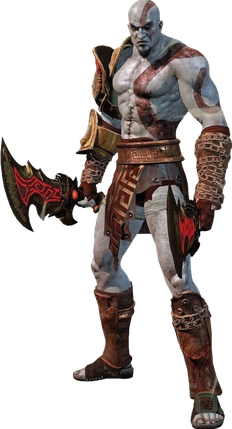


Creation and design
The character was developed to anchor a cinematic, melee-focused action series. Visually distinctive features—ashen skin and a red tattoo—serve as shorthand for his past and the burden of guilt he carries. Designers paired dramatic, close-quarters combat with large set pieces to emphasize Kratos' raw physicality and the mythic scale of his opponents. Over time his equipment and silhouette evolved, introducing new signature implements alongside returning weapons.
Narrative and themes
Kratos is depicted as a Spartan from Sparta in ancient Greece, and within the series he is portrayed as a son of Zeus, giving him a status analogous to a demigod. Early entries center on his manipulation by the war god Ares, which culminates in the accidental killing of his family and sets him on a path of bloody revenge. While the motive of revenge initially drives the plot, later installments broaden the focus to include parenthood, responsibility, grief and the possibility of redemption. The writing frequently contrasts brute force with moral consequence, using mythic conflicts to explore human themes.
Gameplay and abilities
Across the series Kratos combines exaggerated physical strength with supernatural powers. Early games emphasized fast-paced combos, weapon-switching and platforming within mythic set pieces. Signature weapons such as chained blades function both as combat tools and symbols of Kratos' bargains with gods. In later titles the combat system was reworked to support deeper tactical options and character-driven abilities, reflecting a tonal shift toward intimate storytelling alongside visceral action.
Appearances, voice and adaptations
Kratos is the protagonist of multiple main-series games, spin-offs, comics and novelizations tied to the franchise. Voice portrayals have changed to suit narrative needs: early games used a terse, angry delivery while later performances emphasized a weathered, reflective presence. Notable voice actors associated with the character include long-running contributors and later performers who represented his older, more complex incarnation. The character has also appeared in printed adaptations that expand on in-universe backstory and side tales.
Cultural impact and legacy
Kratos is one of the best-known antiheroes in video games and is often cited in discussions about how interactive media adapts myth. The series influenced cinematic presentation in action games and demonstrated how ongoing franchises can evolve tonally while retaining a central figure. Critics and scholars have examined Kratos in the context of masculinity, violence in media and narrative rehabilitation. The character's move from primarily Greek settings into other mythic realms is frequently noted as an example of long-form videogame storytelling adapting to new cultural and emotional themes.
Further reading and resources
To learn more about the sources and themes that shaped Kratos, consult background materials on Greek culture, general mythology, and the original God of War title. Contextual topics include Spartan history (Sparta), the world of ancient Greece, figures such as Zeus and the narrative concept of the demigod. For character-specific study, sources discussing the war god Ares and themes of revenge in literature and games are useful starting points.
Scholarly and fan commentary on Kratos often addresses how a single franchise can reframe mythic material across multiple cultural settings while exploring complex human emotions. This ongoing conversation around adaptation, authorship and player experience helps explain Kratos' enduring presence in popular culture.
Related articles
Author
AlegsaOnline.com Kratos (God of War): Origins, evolution and cultural impact Leandro Alegsa
URL: https://en.alegsaonline.com/art/54421