
Kutub al‑Sittah: the Six Canonical Hadith Collections in Sunni Islam
Kutub al‑Sittah ("six books") are the principal collections of the Prophet Muhammad's hadith widely accepted in Sunni Islam; they include Bukhari, Muslim and four Sunan works used for law and theology.
The Arabic term Kutub al‑Sittah literally means "the six books" and refers to a group of hadith collections that have been treated as the principal repositories of the Prophet Muhammad's sayings and actions within mainstream Sunni Islam. These works are central to the study of hadith, the transmitted reports that underpin much of Islamic law, ethics and historical understanding.
Image gallery
2 Images
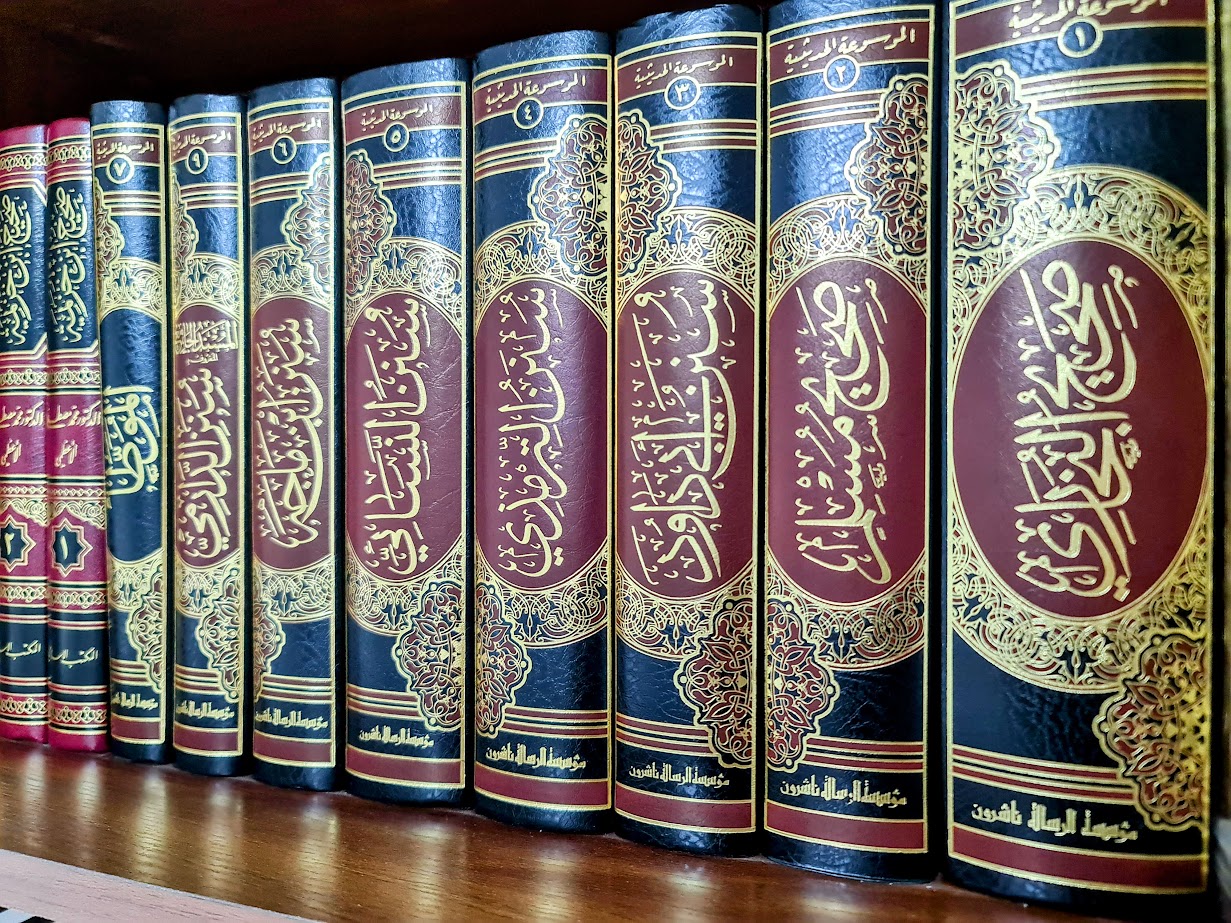
Contents of the six
- Sahih al‑Bukhari — compiled by Muhammad al‑Bukhari
- Sahih Muslim — compiled by Muslim ibn al‑Hajjaj
- Sunan Abu Dawood — compiled by Abu Dawood
- Jami' al‑Tirmidhi — compiled by al‑Tirmidhi
- Sunan al‑Sughra (commonly attributed to al‑Nasa'i) — often listed as one of the six
- Sunan ibn Majah — compiled by Ibn Majah
Scholars distinguish among these works by their editorial aim and reputation. The two collections known as Sahih al‑Bukhari and Sahih Muslim are traditionally ranked highest for authenticity and are often referred to together as the "Sahihayn". The others—commonly called sunan or jami'—are organized more with juristic practice in view, collecting traditions relevant to legal rulings, ritual and social conduct.
Compilation took place mainly in the early centuries of Islam (roughly the third century of the Islamic calendar, often called the ninth century CE). Each compiler applied principles of transmission criticism: tracing chains of narrators (isnad), assessing narrators' reliability, and comparing texts (matn). Over time a consensus formed within Sunni scholarly communities around this set of six, though earlier and later lists sometimes vary.
Uses of the Kutub al‑Sittah range from legal sourcing and sermonizing to academic hadith criticism. They are primary references in traditional schools of law and have generated extensive commentaries, abridgements and indices. Modern researchers also study them as historical documents that reflect the methods and priorities of early hadith scholarship.
Notable facts: Abu Hurairah is frequently the most-cited companion in these collections. While the Sahih works enjoy the greatest standing for authenticity, later scholars continued to debate the status of particular reports and to supplement the canonical corpus with other important works. Contemporary study balances respect for traditional classification with critical methods developed in both Islamic and modern historical scholarship.
For further structured reading on the nature of hadith, biographical evaluation of transmitters, and the historical development of canonical lists, see introductory resources and specialized studies: hadith studies, histories of Sunni Islam and editions of the individual collections such as al‑Bukhari, Muslim, Abu Dawood, Tirmidhi and Ibn Majah.
Related articles
Author
AlegsaOnline.com Kutub al‑Sittah: the Six Canonical Hadith Collections in Sunni Islam Leandro Alegsa
URL: https://en.alegsaonline.com/art/54710