
Konstantin Orbelyan: Armenian-American pianist, conductor and composer
Profile of Konstantin Orbelyan (1928–2014), Armenian-born pianist, conductor and composer who led Armenia’s State Estrada Orchestra and influenced Soviet and diaspora popular music.
Konstantin Aghaparoni Orbelyan (1928–2014) was a prominent pianist, composer and conductor of Armenian heritage who became widely known for his leadership of the State Estrada Orchestra of Armenia. Born near Armavir when it was part of the Soviet Union, Orbelyan built a career that blended classical training with popular and stage music, making him a central figure in mid‑20th‑century Armenian musical life.
Image gallery
1 Image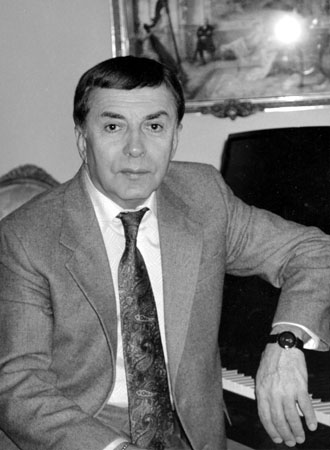
Overview and musical role
Orbelyan combined several musical roles: performing as a pianist, arranging and composing for radio, film and live performance, and conducting a large orchestra that specialized in the estrada repertoire — a Soviet term for civic stage and popular music that mixed jazz, pop and theatrical elements. As head of the State Estrada Orchestra he shaped programming and arrangements that reached broad audiences across Armenia and beyond.
His background connected different cultural identities: he was rooted in Armenian musical traditions, worked within institutions shaped by Russian and Soviet music systems, and later continued activities as part of the Armenian‑American community in the United States. In later years he lived in Los Angeles, California, where he remained engaged with performers and recordings until his death in April 2014 in the United States.
Style, repertoire and influence
Orbelyan’s repertoire drew on light orchestral pieces, popular songs, instrumental showpieces and arrangements suited to radio and television formats of his era. His approach emphasized clear melodies, accessible harmonies and polished orchestral textures intended for both concert stages and broadcast media. Musicians and listeners remember him for helping to professionalize popular music presentation in Armenia and for mentoring younger performers through institutional work.
Notable aspects and legacy
- Leadership of a state estrada orchestra that served as a national ensemble for popular repertoire.
- Bridging classical technique and popular idioms in arrangements and compositions.
- Participation in the musical life of the Armenian diaspora after relocating to the United States.
Today Orbelyan’s recordings and arrangements survive in archives and private collections, and his career is often cited when tracing the development of post‑war Armenian popular and light orchestral music. For listeners exploring Soviet and Armenian musical culture, his work offers an example of how artists negotiated national identity, mass media and professional musicianship across changing political and geographic contexts.
Related articles
Author
AlegsaOnline.com Konstantin Orbelyan: Armenian-American pianist, conductor and composer Leandro Alegsa
URL: https://en.alegsaonline.com/art/54215
Sources
- tert.am : "Armenian musician Konstantin Orbelyan dies at 85"