
Konstantin Stanislavski: Architect of the Modern Acting System
Konstantin Stanislavski pioneered a systematic approach to actor training and rehearsal, shaping modern acting practice worldwide through directing, teaching, and influential writings
Konstantin Sergeievich Stanislavski (né Alexeiev; Russian: Константи́н Серге́евич Станисла́вский; 17 January [O.S. 5 January] 1863 – 7 August 1938) was a major figure in modern theatre. He achieved recognition both as a respected character actor and as a director whose productions helped reshape stage practice in his era. Above all, Stanislavski is remembered for a systematic approach to actor training and rehearsal that has had a lasting impact on acting worldwide.
Image gallery
10 Images
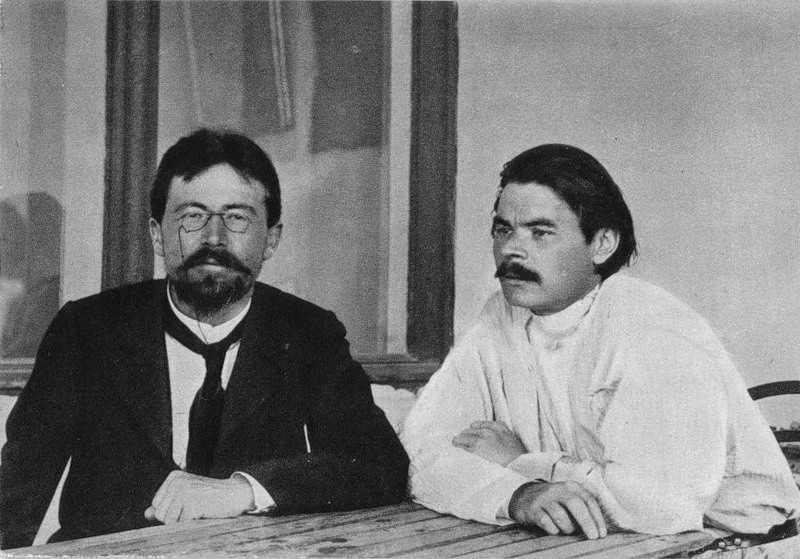


Biography
Born into a wealthy Moscow family, Stanislavski began performing in amateur venues before moving into the professional theatre. In the late 19th century he helped to found an ensemble that aimed for naturalistic performance and careful ensemble work; over the following decades he directed numerous productions and became closely associated with the development of modern Russian drama, including premieres and notable stagings of plays by contemporary writers.
Throughout his career he combined stage work as an actor with directing, teaching, and writing. His practical experiments in rehearsal and performance were informed by observation, reflection, and collaboration with colleagues in the theatre.
The "system"
Stanislavski developed a coherent set of exercises and principles intended to prepare actors to create believable, living characters onstage. His work addressed both the internal life of a character and the physical actions that support performance. Key elements commonly associated with his approach include:
- careful analysis of the character's circumstances and objectives;
- the use of imagination and the "if" to explore possibilities within a role;
- organizing a role as a sequence of units or tasks, each with its own aim;
- attention to physical actions as a way to shape truthful behaviour.
Over time Stanislavski revised and refined his ideas; some concepts often linked to his name (for example, practices sometimes summarized as "emotional memory") were re-evaluated by him in favour of technique that connected inner life and outward action. His approach was intended as practical training for actors rather than as rigid doctrine.
Writings and influence
Stanislavski documented much of his thinking in books and essays intended for practising actors and directors. These texts, together with his work in the rehearsal room, influenced 20th‑century acting pedagogy internationally. Elements of his methods contributed to later developments in the United States and elsewhere, where they were adapted into different schools of actor training.
Legacy
Today Stanislavski is widely regarded as one of the foundational figures in modern theatre practice. His insistence on ensemble work, truthful behaviour onstage, and systematic rehearsal techniques continues to inform acting schools and theatre-makers around the world.
Related articles
Author
AlegsaOnline.com Konstantin Stanislavski: Architect of the Modern Acting System Leandro Alegsa
URL: https://en.alegsaonline.com/art/54218