
Lager: cool-conditioned, bottom-fermented beer and its varieties
Lager is a major beer category fermented with bottom-fermenting yeast at cool temperatures and conditioned for clarity and smoothness. Includes classic styles, production steps, history and how it differs from ales.
Overview
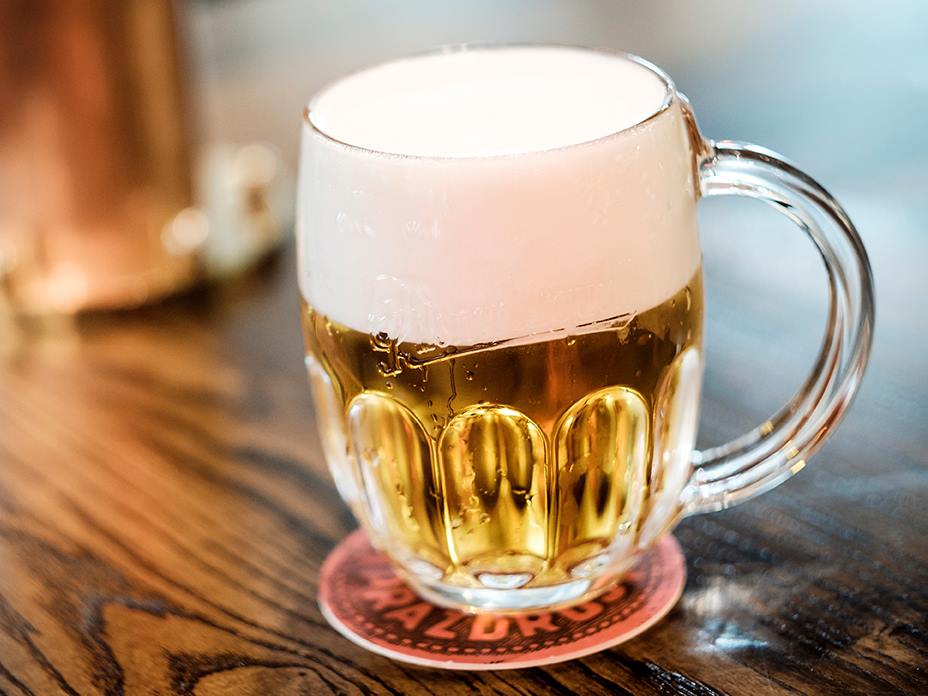
Lager is a broad category of beer characterized by fermentation with a bottom-fermenting yeast and extended cold conditioning. The word "lager" comes from a German verb meaning "to store"; the process produces beers that are often pale, clear and crisp. For general context, see the entry on beer.
Image gallery
7 Images




Production and defining characteristics
Unlike ales, which use top-fermenting yeasts and warmer temperatures, lagers rely on a yeast that works more slowly at cool temperatures. This slower fermentation and a subsequent period of cold storage reduce fruity esters and other warm-fermentation flavors, yielding a cleaner, crisper profile. Lagers are commonly filtered or allowed to settle so yeast and proteins clear out before packaging.
Historical development
Techniques for cold storage and slow fermentation were refined in Central Europe. Brewers in Bavaria and surrounding regions used caves and cellars to keep beer cool, and the practice of extended storage — often called lagering — became central to the style. Advances in refrigeration and large-scale brewing in the 19th century helped spread pale lagers worldwide.
Common styles
- Pale lager and Pilsner: light-bodied, hop-balanced and the most widely distributed lager family.
- Amber and Vienna lagers: malty, with a copper color and richer malt character.
- Märzen and Oktoberfest: traditionally brewed for festivals, later matured to smoothness.
- Bock and Doppelbock: stronger, malt-forward lagers often associated with seasonal drinking.
Uses, serving and cultural importance
Lagers are typically served cold and are common in pubs, restaurants and large-scale commercial breweries because their clean palate pairs well with a wide range of foods. They played a key role in industrial brewing and global beer culture, becoming the default style in many countries.
Distinctions and notable facts
Key contrasts with ales include yeast behavior and temperature of fermentation; lagers are bottom-fermented and conditioned at cool temperatures. The storage period that gives the category its name is sometimes discussed under the brewing term lagering. While many modern lagers are light and mild, the category also includes robust, complex beers.
Questions and answers
Q: What is Lager?
A: Lager is a kind of beer made from a specific type of yeast through a slow fermentation process.
Q: How is the clear color of Lager obtained?
A: Lager obtains its clear color from being stored for some time which causes the yeast to settle at the bottom of the barrel.
Q: Is yeast removed from Lager before it is served?
A: Yes, the yeast is removed from Lager before it is bottled or served.
Q: How is Lager usually consumed?
A: Lager is usually consumed while it is cold.
Q: What is the origin of the name Lager?
A: The name Lager originates from the German word "lagern" which means "to store".
Q: What are some common characteristics of Lager?
A: Common characteristics of Lager include a clear color, a light body, and a crisp taste.
Q: Can different types of Lager have different flavors?
A: Yes, different types of Lager can have different flavors depending on the type of yeast used in the fermentation process and other ingredients added.
Related articles
Author
AlegsaOnline.com Lager: cool-conditioned, bottom-fermented beer and its varieties Leandro Alegsa
URL: https://en.alegsaonline.com/art/55372