
Nestlé — Swiss multinational food and beverage company
Nestlé is a Swiss multinational food and beverage company and the world's largest food producer by revenue. Founded in the 19th century, it makes products from infant nutrition and coffee to bottled water and pet food.
Overview
Nestlé is a Swiss-headquartered multinational company that is widely regarded as the largest food and beverage producer in the world by revenue. Its portfolio covers a broad range of packaged foods and drinks, including infant nutrition, coffee, bottled water, dairy products, cereals, confectionery and pet food. The company is often described in business profiles as a global leader in consumer packaged goods and food innovation; see a general company profile and recent financial summaries.
Image gallery
9 Images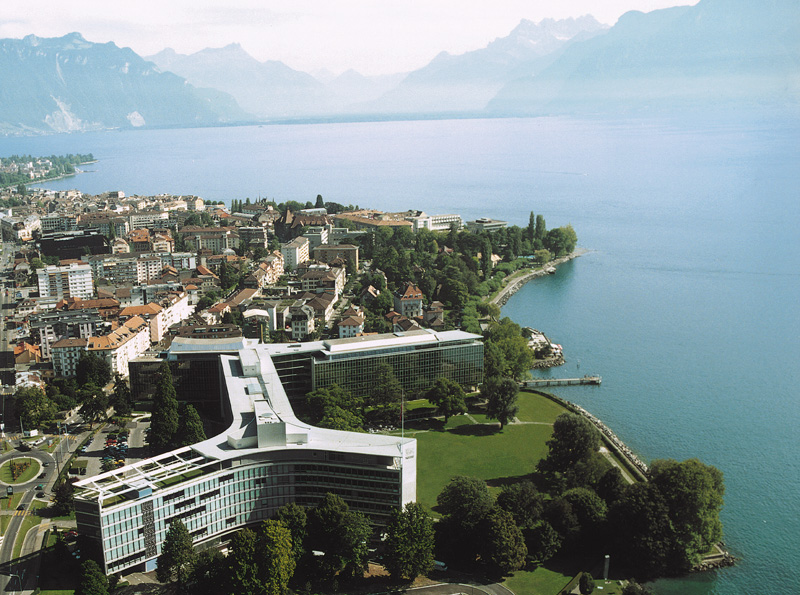


History and origins
The origins of Nestlé date to the 19th century, when separate enterprises developed condensed and powdered milk products and infant foods. A notable early product was a milk-based infant cereal designed to reduce infant mortality and offer an alternative to breastfeeding. Those pioneering businesses later joined forces through mergers and brand consolidations at the turn of the 20th century to form the multinational group that exists today; the consolidation history is summarized in contemporary accounts of the merger and founding. Early product lines included soluble milk preparations (milk), marketed for infants (baby food), and, by the 20th century, soluble coffee and instant beverages (infant nutrition). The company's move into instant coffee expanded with popular global brands and formats (coffee products).
Products and brands
Nestlé manages hundreds of brands across many food categories. Major areas include:
- Infant and toddler nutrition (powders and prepared foods)
- Beverages (instant and ready-to-drink coffee, powdered drinks)
- Bottled and packaged water
- Breakfast cereals, dairy and frozen foods
- Confectionery and snack products
- Pet food and animal nutrition
Operations and global reach
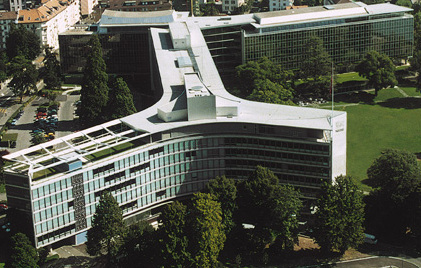
Headquartered in Vevey, Switzerland, Nestlé operates factories, research centers and sales units in dozens of countries. Its business model combines global brand management with local production and distribution, adapting recipes and packaging to regional tastes and regulations. The company invests in product research, supply-chain efficiency and acquisitions to maintain market position.
Controversies and public issues
Over its long history Nestlé has faced recurring criticism and regulatory scrutiny. Commonly reported concerns include marketing of infant formula, water extraction rights and stewardship of water resources, sourcing of ingredients such as palm oil, and the environmental impact of packaging and plastics. These matters have generated public campaigns and prompted changes in policy, certification and transparency efforts by the company. For further reading on these topics see independent analyses and corporate statements linked in public resources.
Questions and answers
Q: Who is Nestlé?
A: Nestlé is the world's largest food producer by revenue.
Q: How was Nestlé formed?
A: Nestlé was formed in the 1950s when two companies merged.
Q: What did Nestlé produce at the start of the company?
A: At the start of the company in the 1860s, Nestlé produced soluble milk that could be given to infants and babies.
Q: What else did Nestlé start producing in the 1930s?
A: In the 1930s, Nestlé also started producing soluble coffee.
Q: What was Nestle's revenue in 2010?
A: In 2010, Nestle's revenue was about 109 billion Swiss Francs.
Q: What was Nestle's net profit in 2010?
A: In 2010, Nestle's net profit was about 32 billion Swiss Francs.
Q: How does Nestle compare to other food producers in terms of revenue?
A: Nestle is the world's largest food producer by revenue.
Related articles
Author
AlegsaOnline.com Nestlé — Swiss multinational food and beverage company Leandro Alegsa
URL: https://en.alegsaonline.com/art/69245
Sources
- nestle.com : "Annual Results 2012"
- money.cnn.com : "Nestle selling U.S. candy brands to Nutella company"
- wipo.int : "From Milkmaids to Multinational Markets: Nestlé's Branding Story"
- nestle.com : "Annual Results 2014"
- business.inquirer.net : "Nestlé wages war versus waste in PH"
- malaya.com.ph : "Bear Brand donates chairs to public schools thru 'Laki sa Tibay' campaign"
- philstar.com : "Lucky Me! tops Philippines' 50 most popular brands"
- blogs.guardian.co.uk : "Blogs.guardian.co.uk"
- who.int : who.int
- babymilk.nestle.com : babymilk.nestle.com
- thedarksideofchocolate.org : thedarksideofchocolate.org
- imdb.com : The Dark Side of Chocolate · web.archive.org
- www2.jsonline.com : www2.jsonline.com/news/nat/jun01/slave24r062301.asp
- ilo.org : "Combating Child Labour in Cocoa Growing"