
King of Saudi Arabia — role, history, and significance
The King of Saudi Arabia is the monarch, head of state and government of the Kingdom, holder of the title Custodian of the Two Holy Mosques, and leader of the House of Saud with broad executive and religious duties.
The King of Saudi Arabia is the monarch who serves as both head of state and head of government of the Kingdom. As leader of the ruling House of Saud, the king holds executive authority, represents the country internationally and bears a distinctive religious title: Custodian of the Two Holy Mosques (خادم الحرمين الشريفين). That style — first widely adopted in the late 20th century — emphasizes the monarch's special role in safeguarding Islam's two most sacred sites.
Image gallery
10 Images


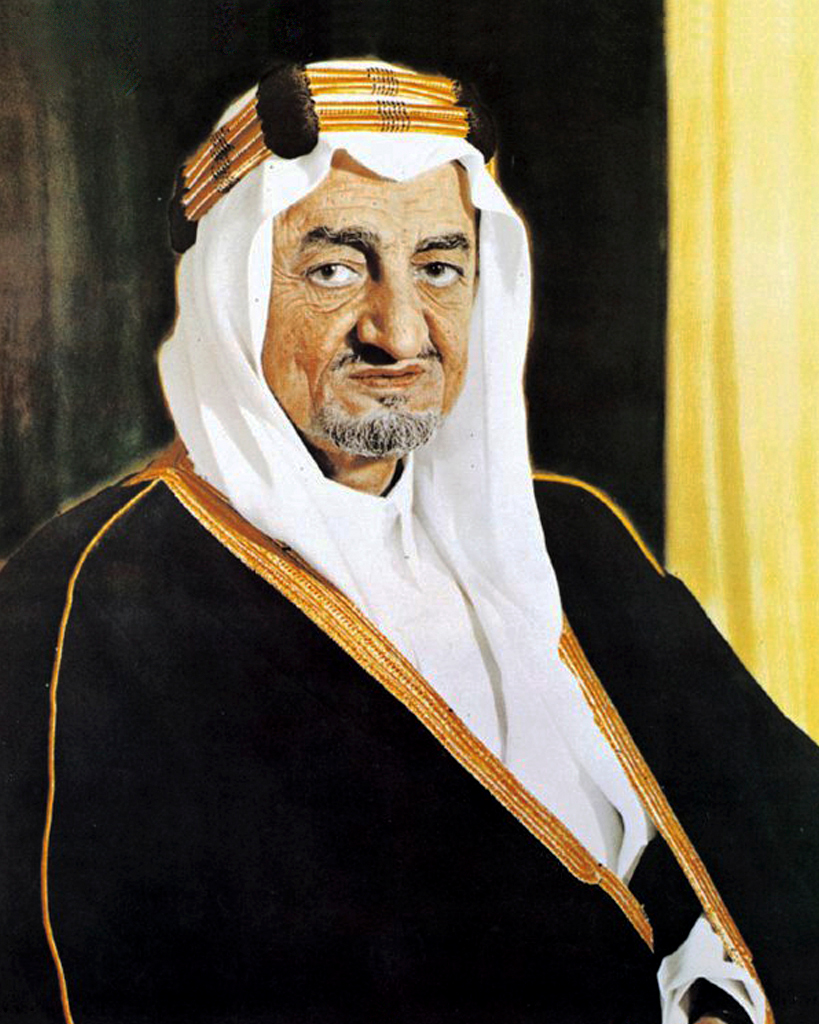

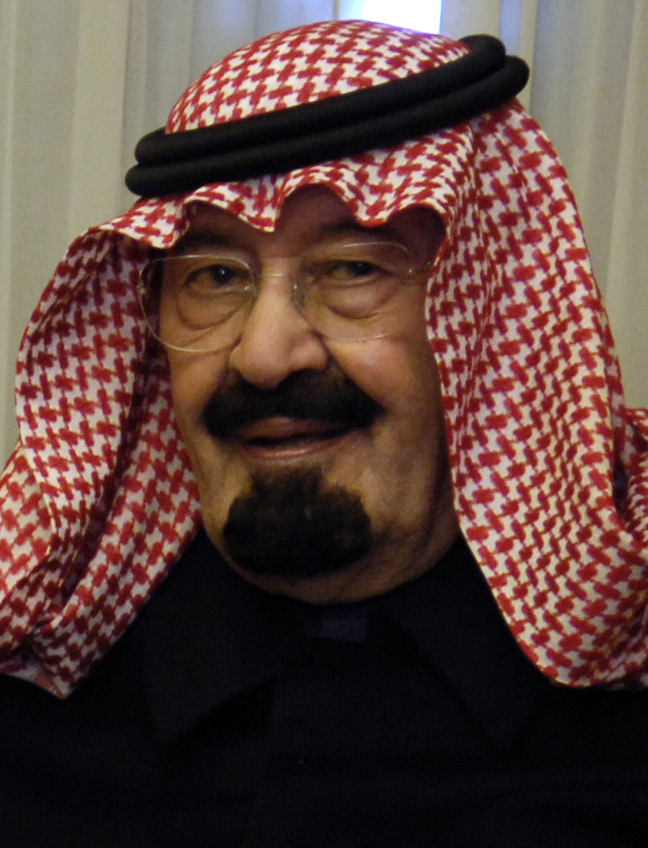

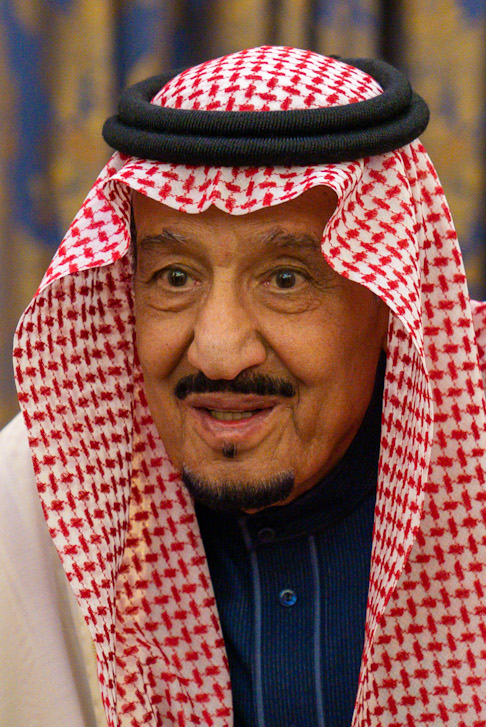


Role and powers
The king combines several functions that in other systems are often separated. He appoints and dismisses ministers, presides over the Council of Ministers, issues royal decrees that have the force of law, and serves as commander-in-chief of the armed forces. He also shapes foreign policy and economic direction, especially in areas such as energy and finance. The monarch's formal status as head of state and head of government makes the office central to governance.
History and succession
The modern Saudi state was established in 1932 by Abdulaziz Ibn Saud, whose descendants form the House of Saud. Since then, the throne has passed among his sons and, more recently, to a younger generation. Traditionally succession followed a form of agnatic seniority among Ibn Saud's male descendants, though contemporary practice has incorporated decisions by the Allegiance Council and the reigning monarch. The current king, Salman bin Abdulaziz Al Saud, has been king since January 23, 2015; his choice of crown prince and the mechanics of succession have generated significant attention both inside and outside the kingdom.
- Religious significance: The king's title links him to Mecca and Medina and underscores custodial responsibilities for the two holy mosques — Masjid al-Haram and Masjid an-Nabawi.
- Residence and seat: The official royal residence and administrative seat are in Riyadh, including the royal palace complex often called the King's Palace; see Riyadh for the capital's role.
- Domestic institutions: While the king holds concentrated authority, governance also involves a Council of Ministers, a Consultative Assembly, and provincial administrations.
The title "Custodian of the Two Holy Mosques" replaced older honorifics in the 1980s and signals the importance of Islamic legitimacy for the monarchy. The king also functions as head of the ruling family and exercises significant influence over royal appointments and internal family matters, which affect political stability and policy direction.
Notable twentieth- and twenty-first-century kings include Abdulaziz (founder), Faisal, Khalid, Fahd, Abdullah, and Salman. Changes in succession practice and the elevation of younger princes to top positions in recent years have shifted expectations about the monarchy's future composition. For further general context see the country and contemporary discussions of leadership at official and analytical sources: royal styles, current monarch, and government functions.
Because the king's role blends political authority with religious guardianship, the office remains a central and symbolic institution in Saudi public life and in relations with other states and religious communities.
Related articles
Author
AlegsaOnline.com King of Saudi Arabia — role, history, and significance Leandro Alegsa
URL: https://en.alegsaonline.com/art/53562