
Kingdom of Tungning (1661–1683): Ming loyalist rule in Taiwan
A Ming-loyalist polity established on Taiwan by Zheng Chenggong (Koxinga) after the fall of the Ming, ruling 1661–1683. It was the island's first sustained Han Chinese government and laid foundations for later rule.
Overview
The Kingdom of Tungning (also called the Kingdom of Zheng) was a Ming-dynasty loyalist polity established on Taiwan in the mid-17th century. Founded by Zheng Chenggong, commonly known as Koxinga, it existed from 1661 until 1683. The regime is widely regarded as the first sustained Han Chinese government to exercise control over most of Taiwan, and it served as a base for plans to restore the Ming on the mainland. It organized administration, promoted settlement, and engaged in maritime trade and diplomacy while opposing the newly established Qing dynasty.
Image gallery
10 Images
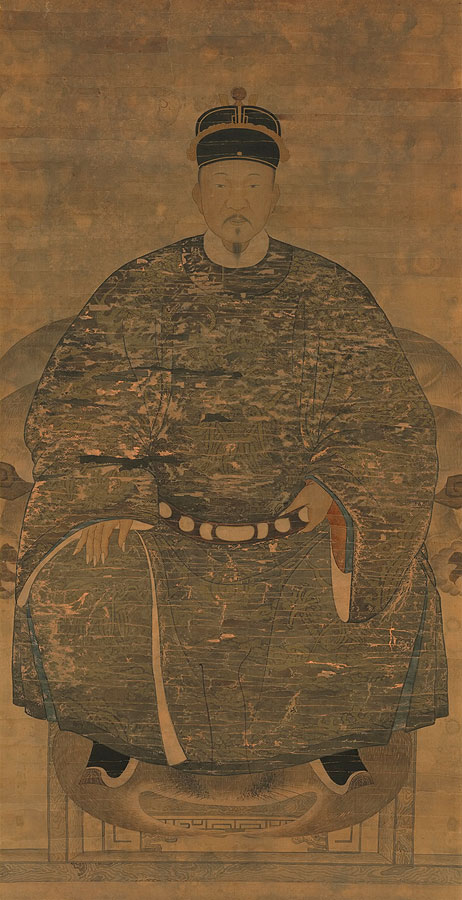


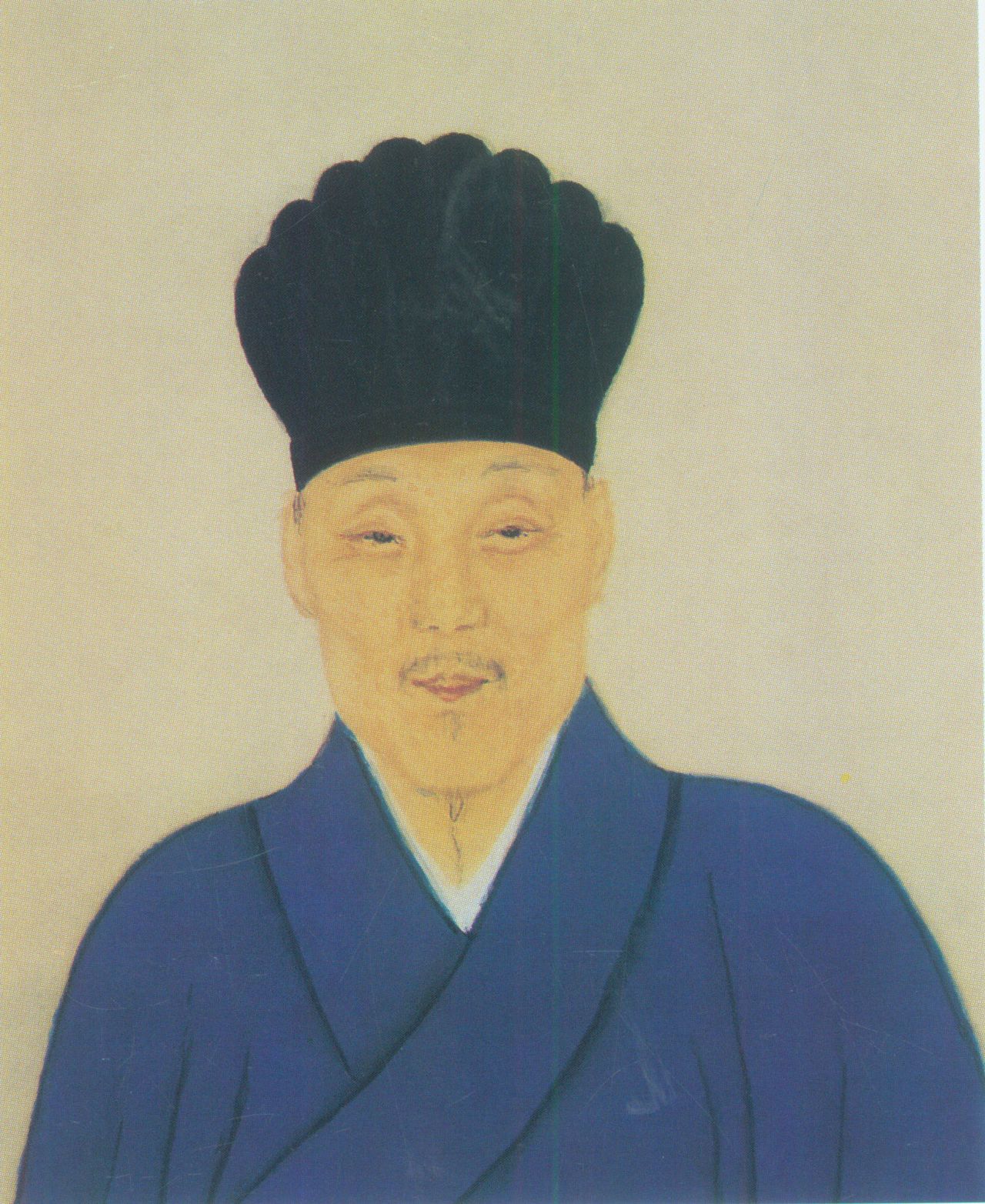

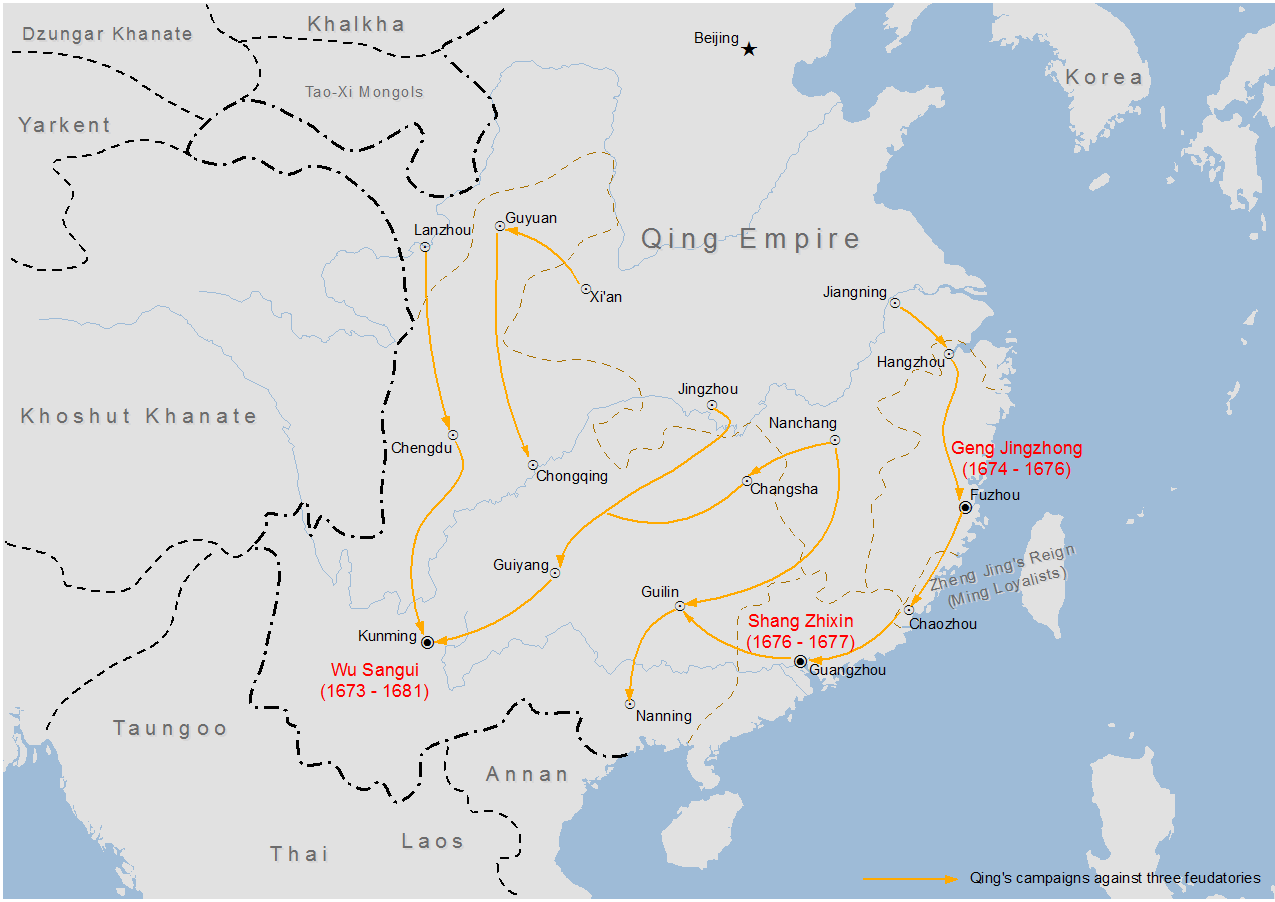

Government, society, and economy
The rulers of Tungning retained many Ming administrative and military institutions while adapting them to island conditions. The Zheng family led a martial and maritime government that relied heavily on former soldiers, mercantile networks and recruited settlers from the Chinese mainland. Agriculture, land reclamation and salt production were encouraged to support a growing population, and ports on the western coast became centers of trade with Japan, Southeast Asia and foreign merchants.
History and key events
Koxinga arrived on Taiwan after campaigns against European colonial forces in the region and expelled the Dutch from their stronghold at Fort Zeelandia in 1662. His death in 1662 led to succession by his son Zheng Jing, who continued to rule from the island and maintain resistance against the Qing. The last Zheng ruler, Zheng Keshuang, surrendered to Qing forces in 1683 after sustained pressure at sea, and Tungning's territories were incorporated into Qing administration.
Importance and legacy
Tungning played a formative role in Taiwan’s demographic and cultural transformation by accelerating Han Chinese settlement, introducing Ming institutions, and integrating the island into regional trade networks. Its fall marked the beginning of direct Qing rule, which subsequently shaped Taiwan’s modern development. The period remains significant for scholars studying maritime Asian politics, Ming loyalism and early Taiwanese identity.
Distinctive features and notable facts
- The polity blended military leadership with merchant activities, reflecting the Zheng family's maritime background and networks.
- It acted as a refugium for Ming loyalists and a platform for plans to recover the mainland, but never succeeded in retaking major Chinese territories.
- Relations with foreign powers were pragmatic: trading ties and occasional diplomatic contacts helped sustain the kingdom’s economy.
- Scholars emphasize Tungning’s role as the transition from indigenous and European presences to sustained Chinese administration in Taiwan.
For further reading and primary-source references see general summaries and specialized studies on the subject provided by academic and historical resources: governmental and historical overviews, ethnic and cultural analyses, and regional histories of Taiwan and the maritime Ming-Qing transition. Additional biographical material on Koxinga and accounts of the Zheng family’s maritime activities are available in specialist works and museum exhibitions; broader geopolitical context can be explored via studies on Ming loyalism and efforts to recover the mainland.
Questions and answers
Q: What was the Kingdom of Tungning?
A: The Kingdom of Tungning was the first Han Chinese government to rule Taiwan.
Q: When did the Kingdom of Tungning rule Taiwan?
A: The Kingdom of Tungning ruled between 1661 and 1683.
Q: What was the Kingdom of Tungning's relationship with the Ming Dynasty?
A: The Kingdom of Tungning was a pro-Ming Dynasty kingdom.
Q: Who started the Kingdom of Tungning?
A: Koxinga started the Kingdom of Tungning.
Q: Why did Koxinga start the Kingdom of Tungning?
A: Koxinga started the Kingdom of Tungning after the destruction of Ming government by the Manchu. He hoped to get his soldiers together on Taiwan and use it as a base to get back mainland China for the Ming Dynasty.
Q: Who was Koxinga?
A: Koxinga was the son of a pirate who was a supporter of the Ming Dynasty.
Q: How long did the Kingdom of Tungning rule Taiwan?
A: The Kingdom of Tungning ruled Taiwan for 22 years, between 1661 and 1683.
Related articles
Author
AlegsaOnline.com Kingdom of Tungning (1661–1683): Ming loyalist rule in Taiwan Leandro Alegsa
URL: https://en.alegsaonline.com/art/53616
Sources
- wufi.org.tw : "Historical and Legal Aspects of the International Status of Taiwan ( Formosa)" WUFI
- cns.miis.edu : "Koxinga-Dutch Treaty ( 1662)" Appendix 1 to Bullard, Monte R. ( unpub.) Strait Talk: Avoiding a Nuclear War Between the U.s. and China over Taiwan Monterey Institute of International Studies