
Salman bin Abdulaziz Al Saud — King of Saudi Arabia and long-serving royal leader
Biography and overview of Salman bin Abdulaziz Al Saud, King of Saudi Arabia since 2015: roles, career, background, and his significance in modern Saudi governance.
Salman bin Abdulaziz Al Saud (born 31 December 1935) is the monarch of Saudi Arabia and has held the style Custodian of the Two Holy Mosques since he became king on 23 January 2015. As head of state he combines ceremonial duties with substantive authority over the kingdom's governance, foreign policy and Islamic sites. For a profile of the institution he leads see King of Saudi Arabia and the country entry at Saudi Arabia.
Image gallery
2 Images
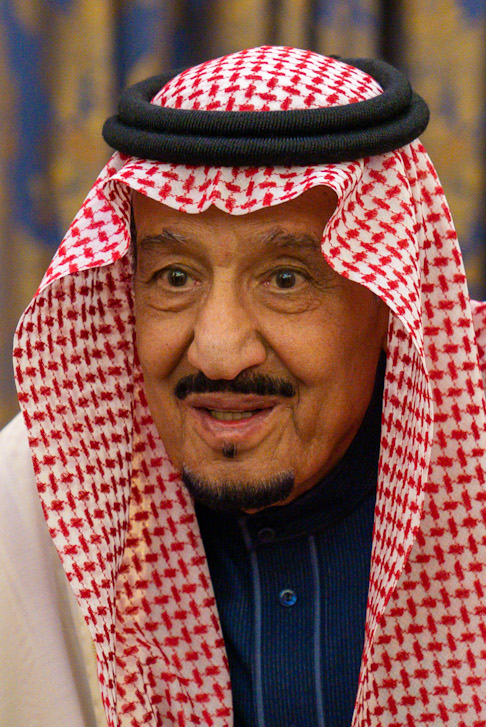
Early life and provincial leadership
Salman is a member of the ruling Al Saud family and belongs to the influential Sudairi Seven branch. He served as governor of Riyadh Province for nearly five decades (1963–2011), overseeing the capital's transformation from a regional town into a modern metropolitan center. During that period he focused on urban planning, infrastructure and administrative modernization that shaped Riyadh's contemporary institutions.
National roles and ascent
In 2011 Salman was appointed Minister of Defence, a post he held until his accession to the throne in 2015. His national portfolio included oversight of the armed forces and defense policy at a time of significant regional tensions. He became king following the death of his half-brother, King Abdullah; contemporary accounts and biographies describe the succession on 23 January 2015 and the ensuing rearrangement of senior royal posts.
Family, succession and internal dynamics
Salman is from the Sudairi Seven; his full brothers include former King Fahd and princes who have served in senior government roles. His accession set in motion a new generational configuration of leadership. The crown prince and a central figure in recent policy initiatives is his son, who has driven economic and social reforms widely reported in international coverage. For background on recent royal figures see links such as King Abdullah and King Fahd.
Policies, significance and contemporary context
As king, Salman presided over a period marked by efforts to diversify the economy, changes to social policy, and a more assertive regional posture. Observers note a centralization of decision-making within the senior leadership and an emphasis on projects intended to reduce the kingdom's dependence on oil revenues. Saudi foreign policy during his reign has addressed regional conflicts and alliances, with humanitarian, security and diplomatic dimensions.
Salman's long public career makes him a central figure in the modern history of the Saudi state: a provincial governor who became a defense minister and later monarch, bearing responsibility for religious custodianship and national direction. Readers seeking further official or academic context can consult the institutional links above for the offices and country he leads.
Author
AlegsaOnline.com Salman bin Abdulaziz Al Saud — King of Saudi Arabia and long-serving royal leader Leandro Alegsa
URL: https://en.alegsaonline.com/art/130347