
Microphone: function, types, history and common uses
An overview of microphones—how they convert sound to electrical signals, major types and directional patterns, historical development, practical uses, and key technical characteristics.
Overview: A microphone (often called a mic) is a transducer that converts acoustic energy into an electrical signal. The spoken pronunciation is sometimes rendered as "mic". By transforming air pressure variations into voltage or digital data, microphones make sound usable for amplification, recording and analysis.
Image gallery
10 Images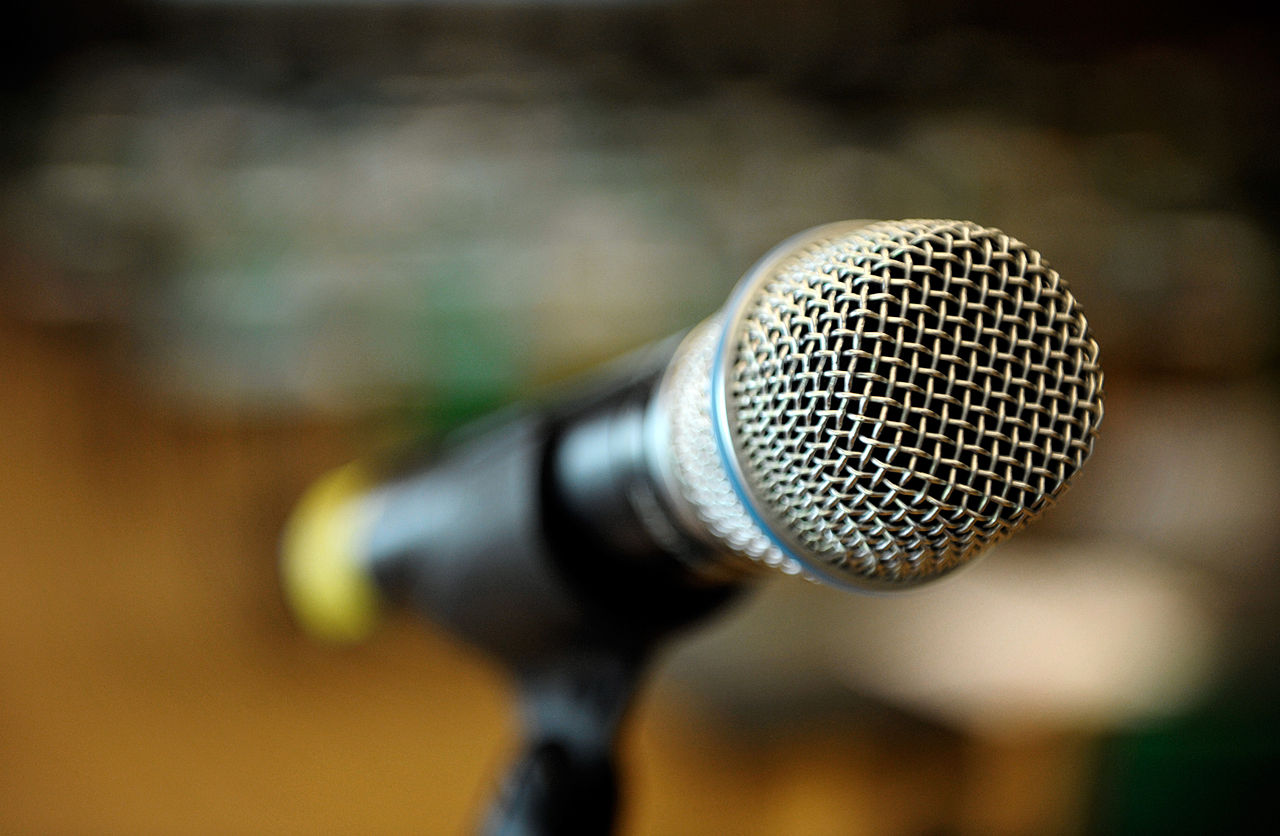





Basic components and characteristics
Most microphones share common parts: a thin diaphragm that moves in response to sound, a mechanism that converts that movement into an electrical output, and housing that influences the directional pattern. Important specifications include frequency response, sensitivity, self-noise, maximum sound pressure level and output impedance. These factors determine how faithful, loud, and quiet a microphone performs in different settings.
Principal types
- Dynamic: durable, relies on a coil and magnet; common for live vocals and instruments.
- Condenser (capacitor): uses a charged element and preamplifier; favored for studio recording for its detail.
- Ribbon: thin metal ribbon responds to velocity of air; prized for smooth, natural tone but relatively fragile.
- Electret and MEMS: solid-state variants widely used in consumer electronics and mobile devices for their small size and low cost.
Directional patterns and placement
Microphones exhibit pickup patterns such as omnidirectional, cardioid, figure‑8 and more focused shotgun patterns. Pattern choice and microphone placement strongly affect recorded sound, feedback rejection on stage, and background noise capture. Developers also use multi-microphone arrays and beamforming to improve directionality for conferencing and voice‑control systems.
History and development
Early designs in the 19th and early 20th centuries enabled telephony and commercial sound recording. Over time, innovations in materials, electronics and manufacturing produced the wide variety of types used today—from robust stage mics to tiny MEMS sensors embedded in computers and phones. Modern microphones may include integrated preamplifiers, analog-to-digital conversion, and digital signal processing.
Uses and examples
Microphones are essential in many fields: telephones and mobile devices (telephony), studio and field recording, hearing aids (assistive listening), broadcast radio (radio) and television (TV), live sound reinforcement, motion picture production, and computer voice interfaces (computers). Scientific and industrial applications include acoustic measurement and machine listening.
For further reading on design choices, measurement and practical setup, consult specialized sources and manufacturer documentation (pronunciation guide and technical references at acoustics and electronics).
Questions and answers
Q: What is a microphone?
A: A microphone is a device that converts sound waves into an electrical signal.
Q: What are some of the applications of microphones?
A: Microphones are used in telephones, tape recorders, hearing aids, motion picture production, live and recorded audio engineering, in radio and television broadcasting, and in computers for recording voice.
Q: What are some other names for a microphone?
A: A microphone is sometimes referred to as a mike or mic.
Q: How does a microphone work?
A: A microphone converts sound waves into an electrical signal through a process called transduction.
Q: Where are microphones commonly used?
A: Microphones are commonly used in a variety of settings such as concerts, public speaking events, podcasts, and in studio recordings.
Q: What is the purpose of a microphone?
A: The purpose of a microphone is to capture and amplify sound for use in various applications.
Q: What are some examples of microphones used in everyday life?
A: Examples of microphones used in everyday life include the microphone on a smartphone, laptop, or tablet used for video chats or recording voice memos.
Related articles
Author
AlegsaOnline.com Microphone: function, types, history and common uses Leandro Alegsa
URL: https://en.alegsaonline.com/art/64610
Sources
- thoughtco.com : "The Evolution of the Microphone"