
Natal, capital of Rio Grande do Norte — overview, history and attractions
Natal is a coastal city in northeastern Brazil, capital of Rio Grande do Norte. Known for beaches, dunes and a sunny climate, it is an important regional center for tourism, culture and transport.
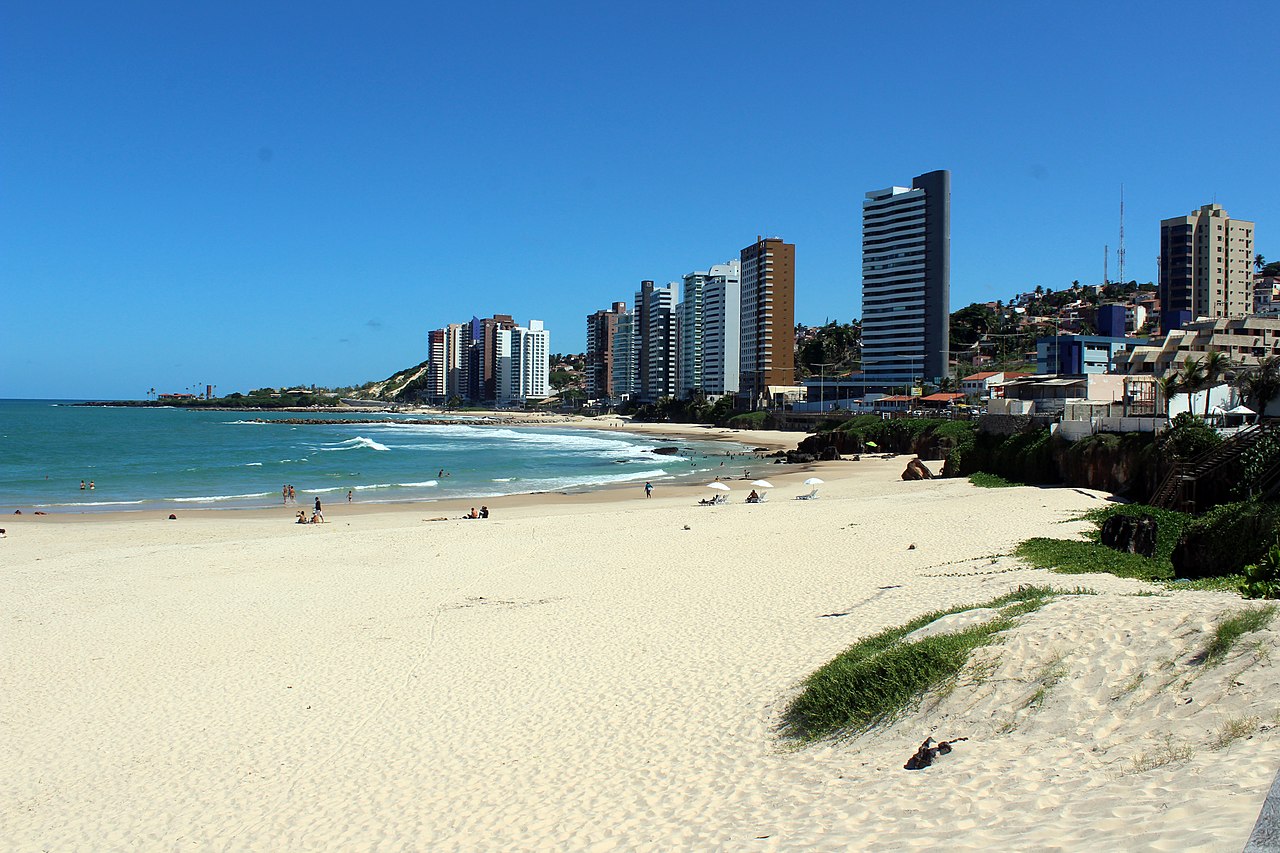
Natal is a coastal Brazilian city and the capital of the state of Rio Grande do Norte. Located in the country’s northeast, Natal has a population of roughly 800,000 inhabitants and covers an area of about 170 km². The city serves as a regional hub for administration, tourism and commerce and is popularly associated with sun-drenched beaches and sandy coastal landscapes.

Image gallery
10 Images





Geography and climate
Natal lies on the Atlantic coast where wide beaches and mobile dunes meet urban neighborhoods. The local climate is tropical with consistently warm temperatures and a long dry season, which makes the city attractive to visitors year-round. Coastal features include lagoons, mangroves and the distinctive crescent-shaped shoreline at Ponta Negra.
History and development
The settlement that became Natal was founded by the Portuguese at the end of the 16th century and named "Natal" because it was established around Christmas. Over time it grew around a defensive fortification, the Forte dos Reis Magos, which remains an important historic landmark. In the 20th century Natal acquired strategic importance as an air and naval base during transatlantic operations, contributing to its urban growth.
Economy and transport
Tourism is a leading economic activity, supported by hotels, services and excursions to nearby natural attractions. Complementary sectors include salt production, fishing and a growing service industry. Natal is served by a major airport and a coastal port that link the city to national and international routes, making it a gateway to the state’s beaches and interior.
Culture, attractions and activities
Natal combines beach leisure with cultural events and regional cuisine. Popular activities include sandboarding on the dunes, boat trips in coastal lagoons and visiting historical sites. Key attractions include:
- Forte dos Reis Magos — a 16th-century fortress at the river mouth.
- Ponta Negra and the Morro do Careca dune — lively beachfront with restaurants and promenades.
- Genipabu — famous dunes and lagoon tours north of the city.
- Local festivals — traditional music, handicrafts and northeastern gastronomy.

Natal is often described as a friendly, sunny destination that blends natural scenery with historical sites and contemporary amenities. For visitors and residents alike, its beaches, warm climate and cultural life make it one of the principal urban centers of Brazil's northeastern coast.
Related articles
Author
AlegsaOnline.com Natal, capital of Rio Grande do Norte — overview, history and attractions Leandro Alegsa
URL: https://en.alegsaonline.com/art/68473