
Kitchen stove — types, history, and common uses
An overview of kitchen stoves: how they work, main types (solid fuel, gas, electric, induction), historical development, common components, uses, safety and environmental considerations.
Overview
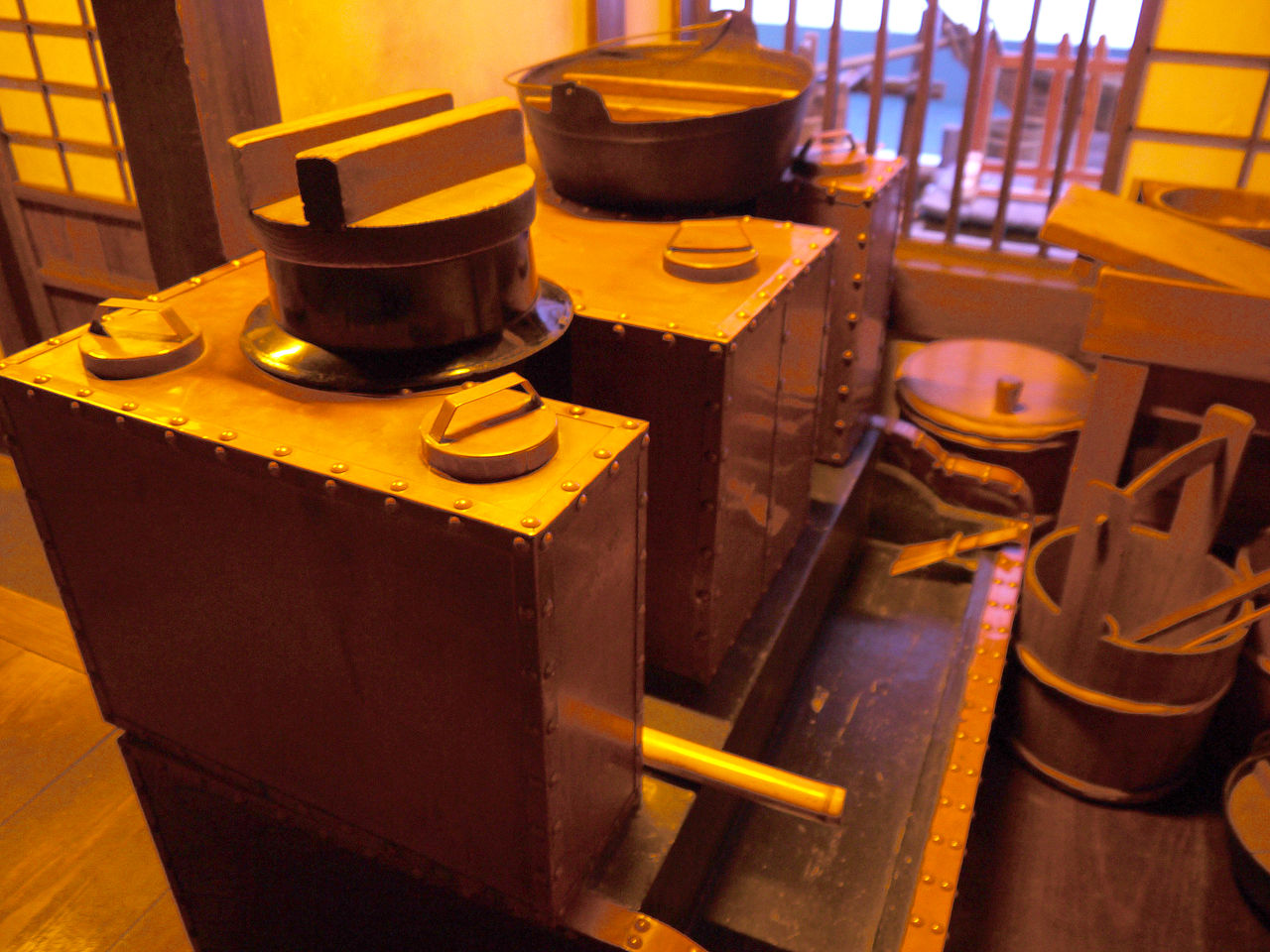
A kitchen stove, also called a cooking stove, cookstove, cooker or range, is a household appliance designed to apply direct heat to food and often includes an integrated oven for baking. Stoves concentrate and control heat so that cooking processes such as boiling, frying, simmering and baking can be carried out reliably. Traditional stoves enclosed a fire within a metal body; modern appliances use a range of heat sources and control systems.
Image gallery
10 Images





Types and components
Stoves are commonly categorized by their fuel or heating method. Each type has characteristic parts and operational differences:
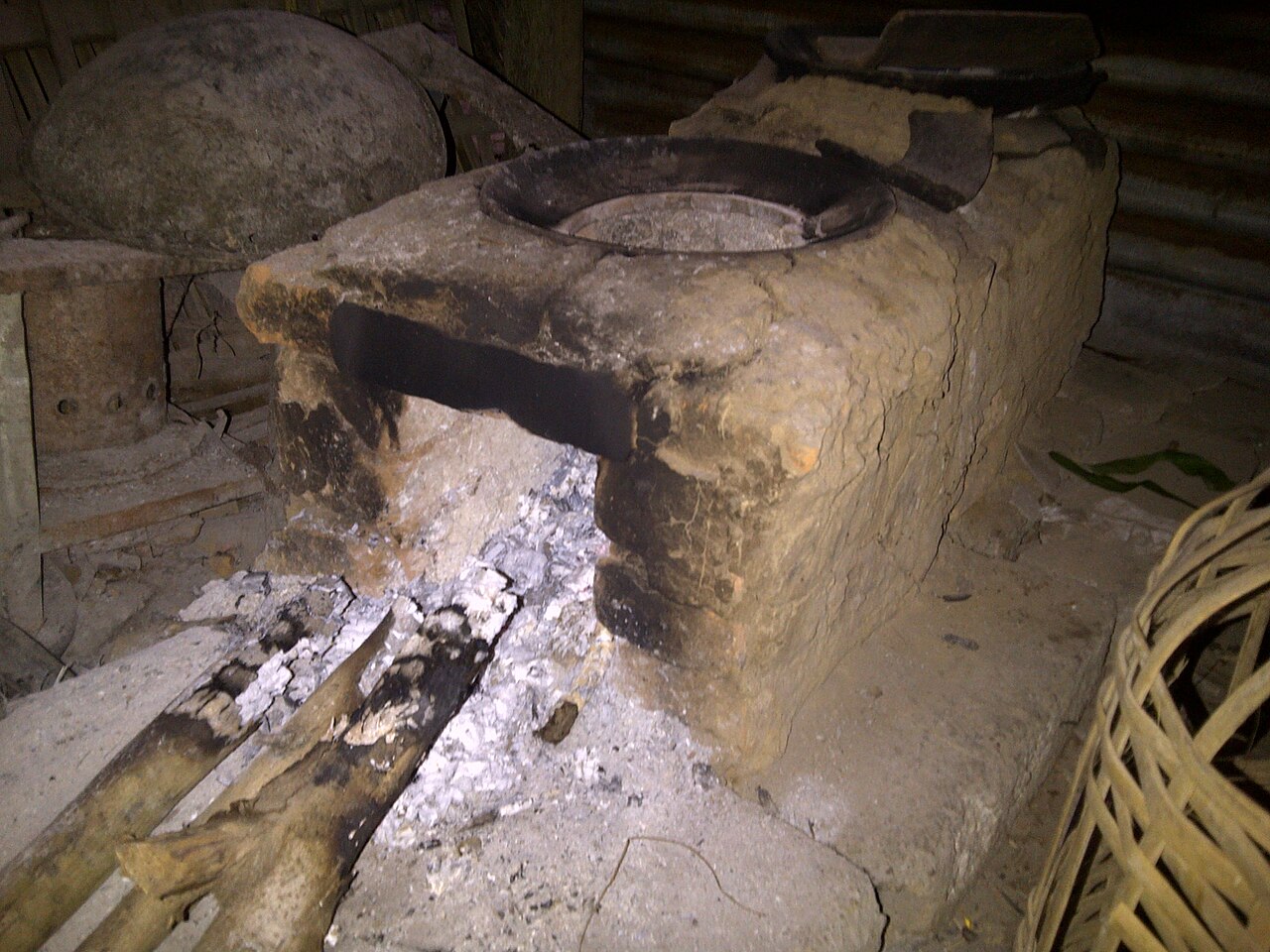
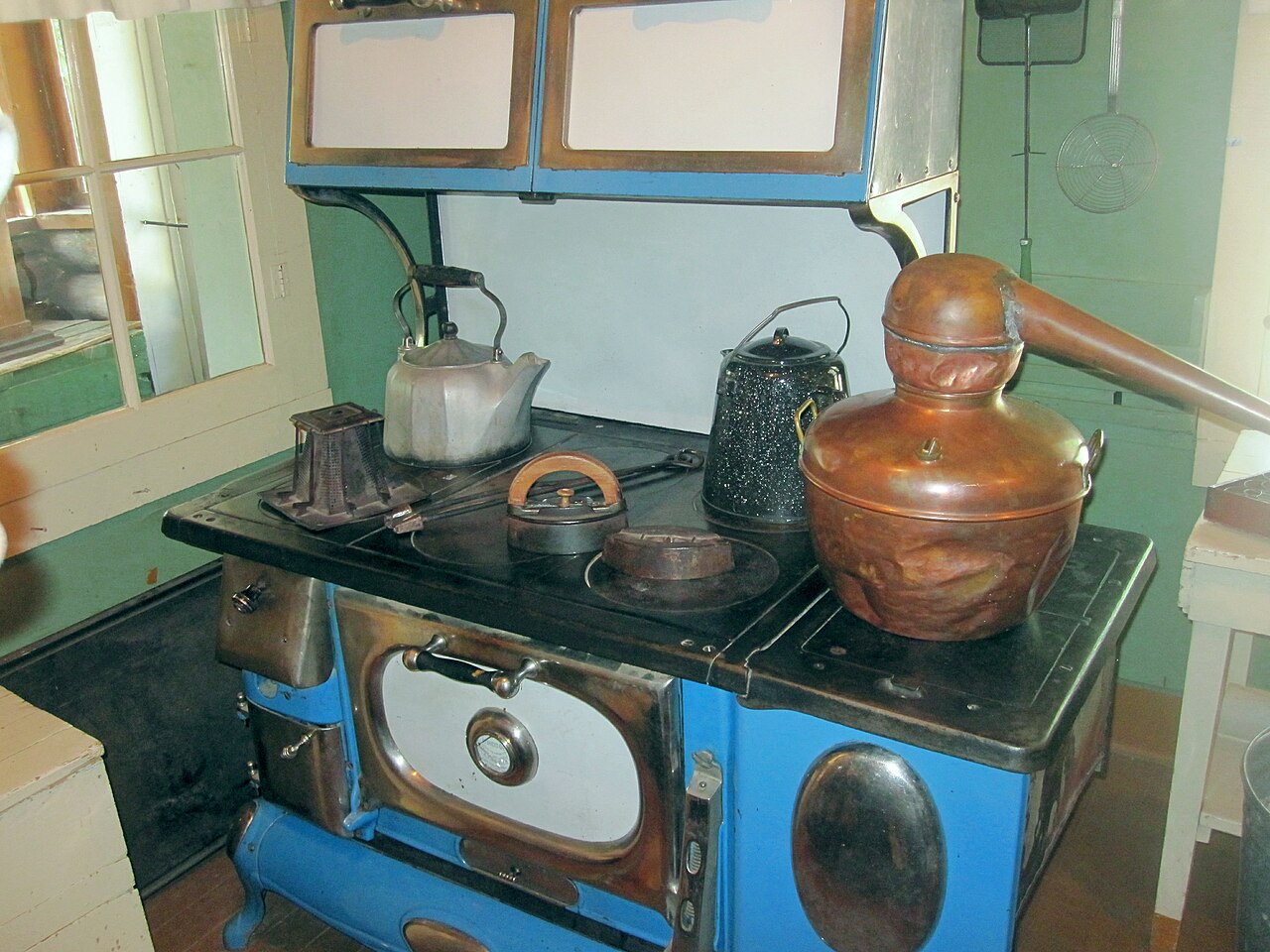
- Solid-fuel stoves: Burn wood, coal, briquettes or biomass in a firebox within a cast-iron or steel body. Many include a flat top for pots and an internal oven chamber. Some incorporate a back boiler to provide water heating for domestic radiators.
- Gas stoves: Use natural gas or propane to produce open flames on burners; they generally include an oven where gas flames or gas-powered burners provide baking heat. Modern gas models offer rapid control of flame intensity.
- Electric stoves: Rely on resistive heating elements beneath a cooktop and inside ovens; cooktops may be exposed coils or smooth glass-ceramic surfaces.
- Induction cooktops: Use electromagnetic fields to heat magnetic cookware directly; the cooktop surface stays relatively cool and responds quickly to adjustments in power.
Common components across stove designs include burners or hotplates, an oven cavity, temperature controls or thermostats, grates or trivets, and sealed doors or flues on solid-fuel models. Ventilation and exhaust systems are important for removing combustion byproducts and excess moisture.
History and development
The idea of enclosing a fire for more efficient and controllable cooking dates back centuries, but iron stoves became widespread in the 18th and 19th centuries as cast-iron manufacturing improved. In the 19th century innovations such as more efficient fireboxes, flues and oven designs transformed household cooking. Gas stoves were demonstrated in the early 1800s and presented publicly at major exhibitions, but wide adoption awaited development of municipal gas distribution networks in the late 19th century. Electric stoves emerged in the late 19th and early 20th centuries alongside expanding electrical grids, and induction technology reached consumer kitchens in the late 20th century.
Uses, maintenance and safety
Besides cooking and baking, some stoves have historically contributed to space heating and domestic hot water through integrated boilers. Regular maintenance includes cleaning burners or cooktops, inspecting seals and gaskets, servicing thermostats and checking ventilation. Safety considerations depend on type: solid-fuel and gas stoves require proper flues and carbon-monoxide awareness, while electric and induction units need appropriate wiring and circuit protection.
Distinctions and notable facts
The terms "stove," "range," "cooker" and "cooktop" are often used interchangeably but can denote different configurations: a cooktop is the flat surface with burners, a range combines cooktop and oven in one unit, and a stove historically referred to an enclosed unit for burning solid fuel. Contemporary choices between gas, electric and induction involve trade-offs: heat control, energy efficiency, indoor emissions and cookware compatibility. Some regions still rely on solid-fuel cookstoves for cooking and heating where grid energy or gas supply is limited.
Further reading and resources
- General appliance overview: Appliance basics
- Cooking techniques and equipment: Cooking and heat
- Oven design and function: Oven technology
- Baking methods: Baking guides
- Solid fuels and traditional stoves: Coal and coke
- Fuel types and properties: Anthracite and fuels
- Wood-burning stove practices: Wood stoves
- Solid fuel cookstoves overview: Cookstove designs
- Gas stove history and safety: Gas stove technology
- Historical exhibitions and early demonstrations: Exhibition history
Questions and answers
Q: What is a kitchen stove?
A: A kitchen stove is an appliance designed for cooking food using direct heat and an oven for baking.
Q: What fuels can be used in a stove?
A: Stoves can use wood, coke or anthracite as fuel.
Q: How does a stove design work?
A: The stove design encloses the fire inside its iron body.
Q: What are back boilers used for in traditional stoves?
A: Traditional stoves can have back boilers for domestic heating.
Q: How are gas stoves different from original stoves?
A: Gas stoves have open flames on top of the stove, whereas original stoves have hidden flames.
Q: When were gas stoves first developed?
A: Modern gas stoves were developed in the 1820s, but only became a commercial success in the 1880s due to the slow growth of the gas pipe network.
Q: What kind of stoves have largely replaced solid fuel stoves?
A: Gas and electric stoves have largely replaced solid fuel stoves.
Related articles
Author
AlegsaOnline.com Kitchen stove — types, history, and common uses Leandro Alegsa
URL: https://en.alegsaonline.com/art/53847