
Kilt: Traditional Scottish Garment
A knee-length, pleated skirt-like garment originating in Scotland, often woven in tartan. Worn for formal occasions, military dress, pipe bands and cultural events worldwide.
Overview
The kilt is a knee-length, wraparound garment that forms a central part of traditional Scottish Highland dress. Its most recognizable feature is the pleated rear and the patterned woven cloth known as tartan. While commonly associated with men, the kilt's form and fabrics have been adapted in contemporary fashion for people of all genders. For an introduction to ceremonial and cultural aspects, see ceremonial dress and regional traditions at Scotland.
Image gallery
10 Images






Design and construction
Kilts are typically made from worsted or woollen cloth woven with a checked, striped, or sett pattern called tartan. The garment is wrapped around the waist and fastened with buckles or pins, leaving a flap or apron across the front and pleats at the back. Common accessories include the sporran (a pouch), a sash, hose (socks), and a belt. Details and patterns are explained in resources on tartan and textile care at weaving guides.
History and development
The modern tailored kilt evolved from earlier garments such as the great kilt or belted plaid, which could be a full-length cloak and skirt in one piece. By the 18th and 19th centuries the small or tailored kilt became standard Highland dress. Political and social changes shaped its use: Highland dress was restricted after the Jacobite uprisings and later revived as a symbol of Scottish identity. For historical context consult sources on Scottish military and cultural history at ceremonies.
Uses, occasions, and examples
Kilts appear in a range of settings, from informal wear to formal and military uniforms. Examples include:
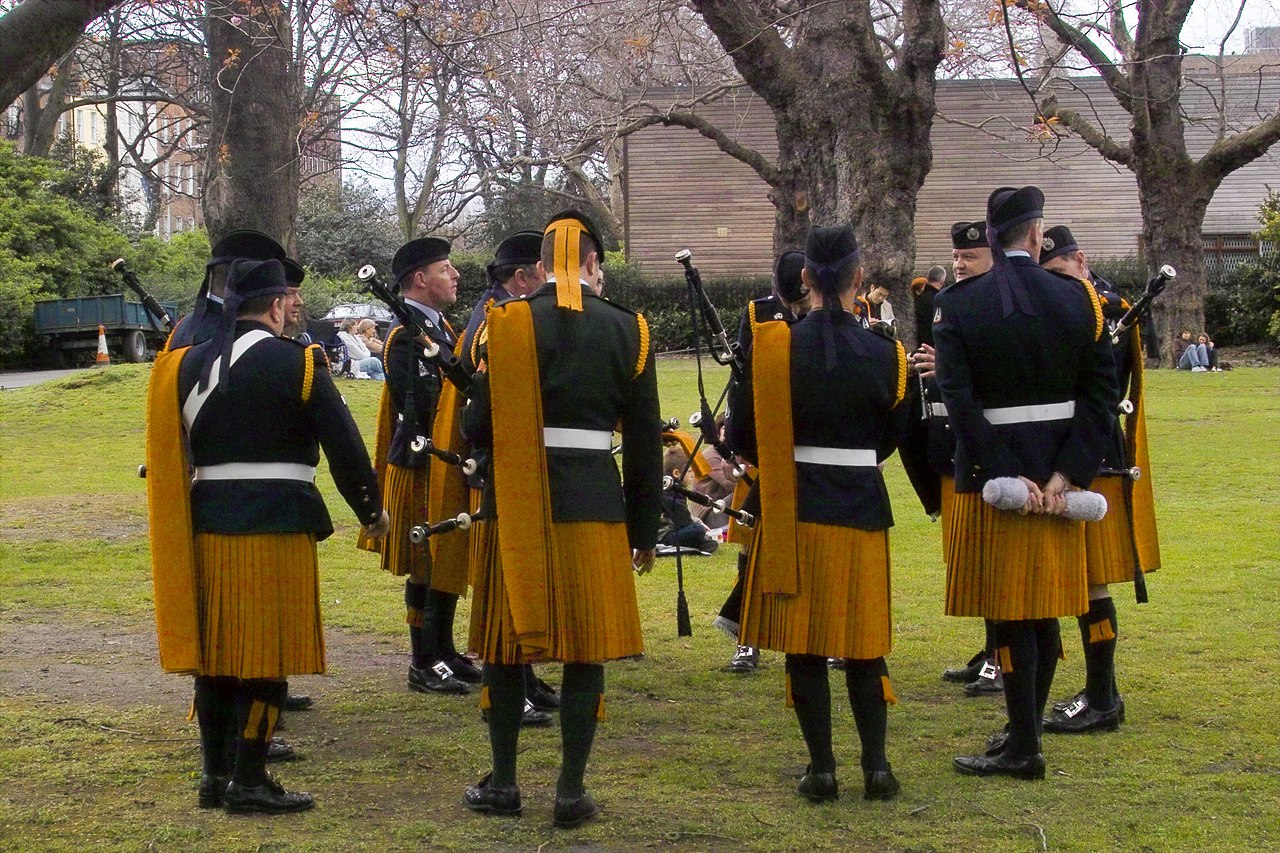
- Military dress: Scottish and some Canadian regiments retain kilts for parade and ceremonial duties (Canadian military examples).
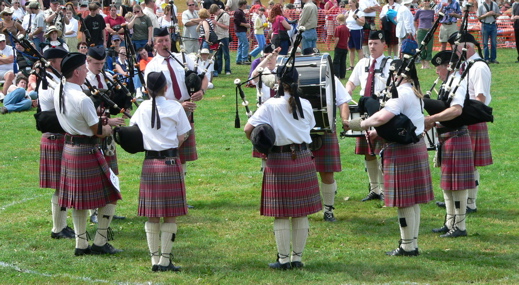
- Music and pageantry: Bagpipers and pipe bands commonly wear kilts during performances (bagpipes and piping traditions).
- Life events: Many choose kilts for weddings, graduations, and cultural festivals (Scottish instruments and events).
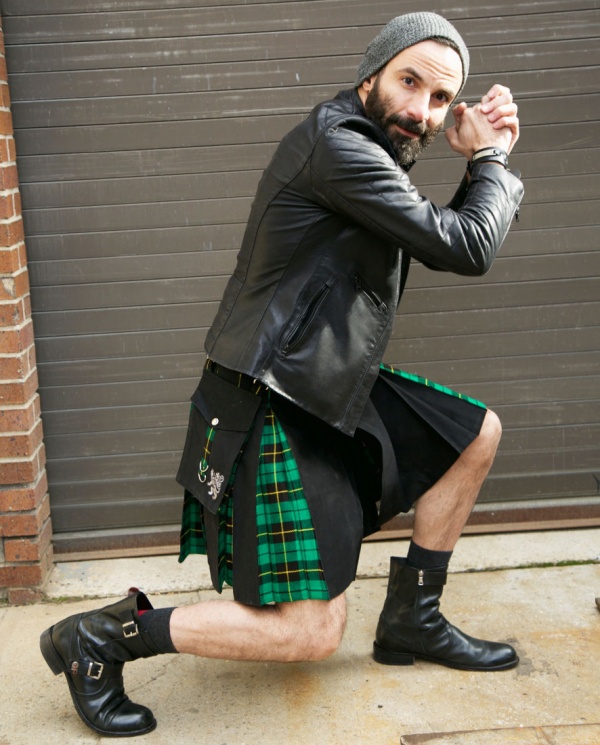
- Everyday and fashion uses: Modern designers and diaspora communities use tartans for identity and style (wedding attire and contemporary wear).
Variations and notable facts
There are many tartans—clan, regional, institutional, and commercial—each with its own colors and sett. Kilts may be full pleated, box pleated, or knife pleated, and there are historical forms like the belted plaid and walking kilt. The garment remains both a living tradition and a versatile element of formal dress, bridging heritage, military practice, and modern fashion.
Related articles
Author
AlegsaOnline.com Kilt: Traditional Scottish Garment Leandro Alegsa
URL: https://en.alegsaonline.com/art/53436