
Kohl: traditional eye cosmetic—history, composition, uses, and safety
Kohl (also kajal or surma) is an ancient eye cosmetic used across Africa and Asia. This article explains its composition, cultural roles, application, health concerns, and modern alternatives.
Overview
Kohl is a dark eye cosmetic historically prepared from ground minerals or carbon-rich soot. Known variously as kajal, surma, mesdemet, or al-kohl, it is applied to the eyelids and inner eye rims to darken, contour, or emphasize the eyes. Worn for beauty, protection from glare, and as part of ritual or cultural identity, kohl has remained common in the Middle East, North Africa, South Asia and beyond.
Image gallery
10 Images





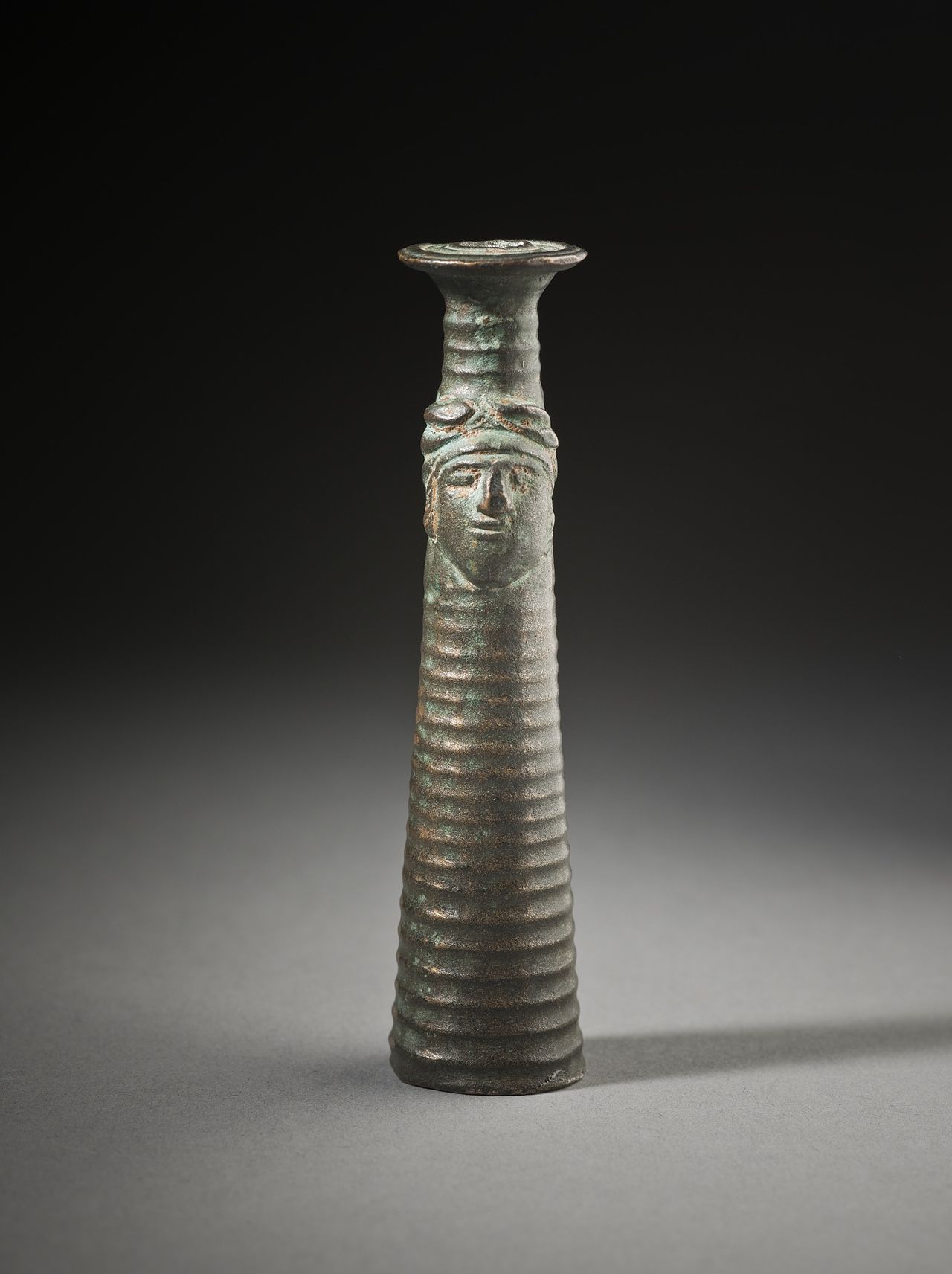

Composition and regional varieties
Recipes for kohl vary widely. In many traditional preparations the primary ingredient is a sulfide mineral such as stibnite (antimony sulfide) or galena (lead sulfide), ground to a fine powder and sometimes mixed with oils, ghee, or plant extracts to form a paste. Other formulations rely on carbon-based materials like soot from oils or burnt nut shells, charcoal, or modern cosmetic pigments. Contemporary manufactured eyeliners may reproduce the look of kohl using safe, regulated colorants.
History and cultural significance
Archaeological and artistic records show kohl's use for millennia. It is visible on statues and paintings from Ancient Egypt and appears in literary and medicinal texts across South Asia and the Middle East. Kohl has been associated with social status, aesthetics, and beliefs about eye protection; in some traditions it was thought to ward off the sun's glare or evil influences. For historical context and images see sources on traditions and mineral references.
Application, tools, and examples
Application methods include smearing a paste with a thin stick, using a small brush or a modern applicator. It can be placed along the upper and lower eyelids, or inside the waterline. Men, women, and children have used kohl in different cultural contexts: as daily cosmetic, a ceremonial accent, or a marker of identity. Practical notes and contemporary tutorials are available at how-to guides and regional style pages such as North African styles and South Asian uses.
Health, regulation and modern alternatives
Because some traditional formulations include lead or antimony compounds, concerns about toxicity and long-term exposure have led to regulation and public-health advice in many countries. Lead-containing kohl can cause lead poisoning if ingested or absorbed in sufficient amounts, particularly in infants and pregnant people. Safer commercial products and certified eyeliners aim to deliver the characteristic finish without heavy metals; consumers are advised to choose tested cosmetics and check ingredient lists. For health guidance see health advisories and regulatory summaries at consumer safety pages.
Notable distinctions and facts
- Kohl vs. modern eyeliner: kohl traditionally refers to powdered mineral or soot-based products; modern eyeliners may be wax- or gel-based.
- Regional names reflect local languages: kajal (South Asia), surma (parts of the Middle East and South Asia), mesdemet (East Africa).
- Contemporary artisanal preparations continue alongside mass-market cosmetics; cultural preferences influence which form is used.
- Information about preparation, cultural practices, and safety can be found through specialty and public-health resources such as cultural studies, cosmetic science, and medical reviews. For community and craft perspectives see traditional craft resources.
Kohl remains both a cosmetic and a cultural artifact: its look is widely imitated in modern makeup, while traditional forms continue to carry symbolic and historic meaning in many communities.
Questions and answers
Q: What is kohl?
A: Kohl is an ancient eye cosmetic traditionally made by grinding stibnite (Sb2S3), used to contour, darken the eyelids and as mascara for the eyelashes.
Q: Where is kohl widely used?
A: Kohl is widely used in the Middle East, North Africa, and South Asia.
Q: Who uses kohl mostly?
A: Kohl is worn mostly by women, but also by some men and children.
Q: How long has kohl been used as a cosmetic?
A: Kohl has been used for a long time as a cosmetic, with depictions of high status women and goddesses in Ancient Egypt.
Q: What do the recipes to prepare kohl include?
A: The content of kohl and the recipes to prepare it vary greatly. Homemade kohl in North Africa and the Middle East is often made by grinding galena (lead sulfide). In the west, soot or organic charcoal may be used instead of lead.
Q: What else is added to kohl in addition to the carbon powder?
A: Plant oils and the soot from various nuts, seeds, and gum resins are often added to the carbon powder.
Q: What type of kohl is still popular despite the availability of newer products?
A: Handmade, lead-based kohl continues to be popular, as the non-lead products do not give as good a result as the older, traditional varieties.
Related articles
Author
AlegsaOnline.com Kohl: traditional eye cosmetic—history, composition, uses, and safety Leandro Alegsa
URL: https://en.alegsaonline.com/art/54113
Sources
- youtube.com : youtube.com/watch?v=L644Lt2_xmQ