
Katmai National Park — Alaska's volcanic wilderness
A remote national park in southern Alaska protecting Mount Katmai and the Valley of Ten Thousand Smokes, famed for volcanism, salmon runs and large brown bear populations.
Overview
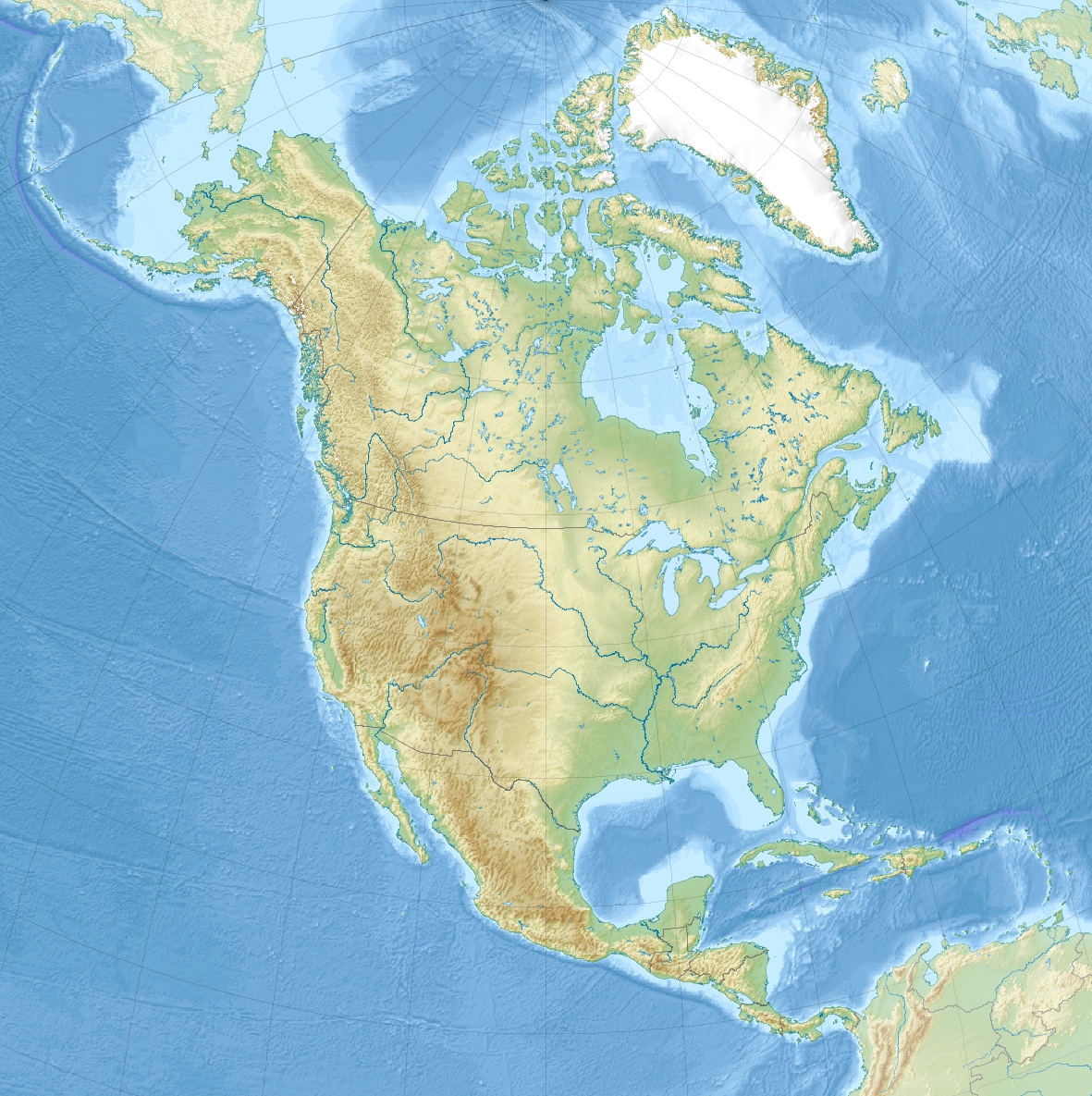
Katmai National Park was first set aside for protection in the early 20th century; it is often cited as having been established in 1918. Located in southern Alaska, the park preserves a dramatic volcanic landscape centered on Mount Katmai and the nearby volcanic complex. Its most famous feature, the Valley of Ten Thousand Smokes, formed after a major 1912 eruption associated with Novarupta and contains widespread ash flows and fumarolic terrain.
Image gallery
10 Images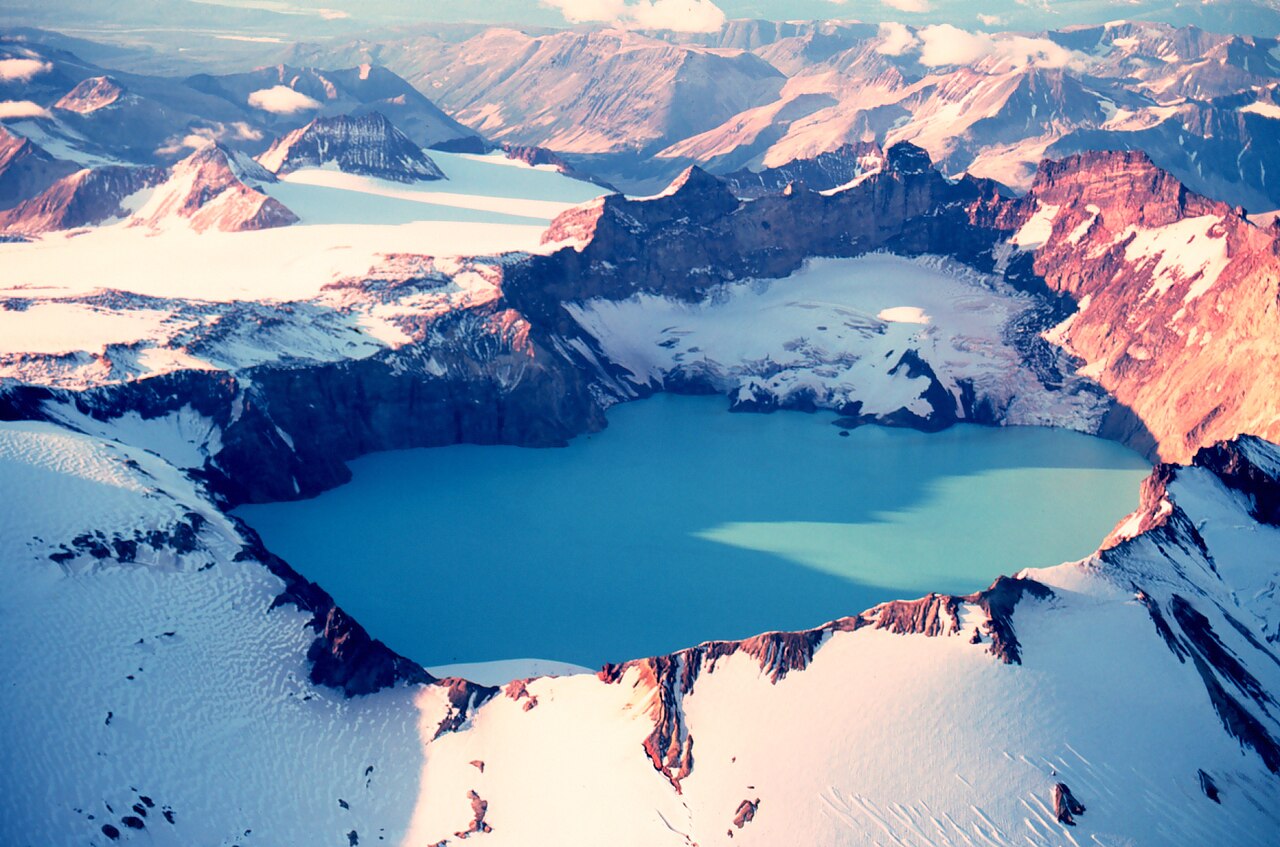



Landscape and natural features
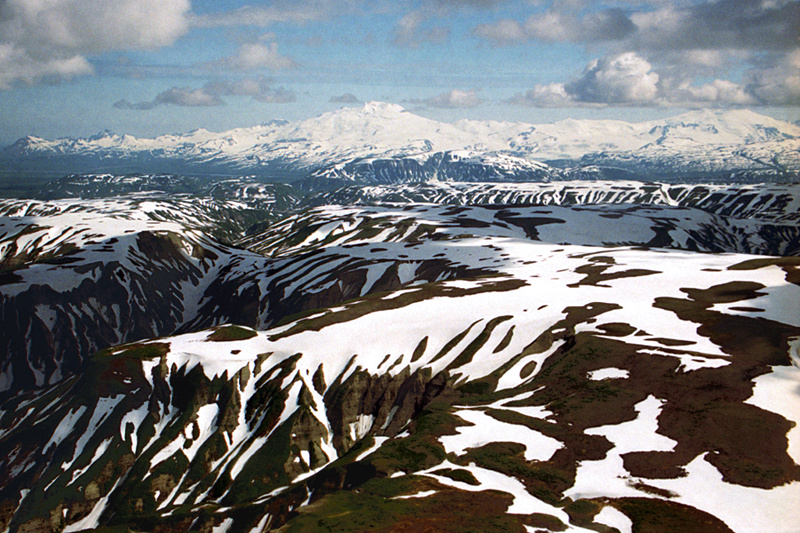
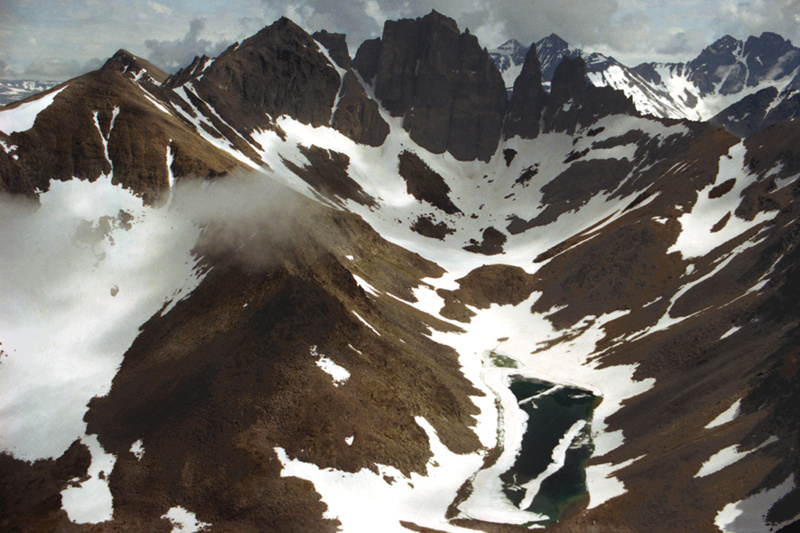
Katmai's terrain mixes recent volcanic deposits with older glacial and coastal landforms. Visitors encounter broad ash plains, high ridges and steep calderas as well as more vegetated settings. The park contains a variety of vegetation zones, from tundra in the higher or coast-influenced areas to pockets of boreal forest on well-drained slopes. Numerous lakes, rivers and streams cut the park, and a ring of mountains forms much of the park's backdrop.
Wildlife and ecosystem dynamics
Katmai supports rich food webs driven by salmon runs and coastal productivity. Large seasonal salmon migrations attract scavengers and predators; the park is particularly known for its abundant salmon runs and the dense concentrations of brown bears that feed on them. Bears congregate at river mouths and waterfall ledges during late summer, providing opportunities for observation and scientific study. Beyond bears and fish, the area is important for migratory birds, small mammals and marine life along adjoining shorelines.
Human history, science and recreation
The volcanic events that shaped the Valley of Ten Thousand Smokes drew early scientific interest and led to federal protection. Indigenous peoples have long used coastal and inland resources in and around the park, and contemporary research continues to monitor volcanoes, wildlife populations and ecological change. Because Katmai is remote and largely without roads, most visitors arrive by floatplane or boat to established access points and camps; popular activities include guided bear viewing, hiking, photography and backcountry fishing.
Conservation importance and notable facts
Katmai is notable for protecting an extensive, largely undeveloped expanse of Alaskan wilderness and active volcanic features. It is one of the larger U.S. park units and remains predominantly roadless, which helps sustain wide-ranging wildlife and intact ecological processes. The Valley of Ten Thousand Smokes remains a vivid example of how explosive volcanism can reshape landscapes and create long-lived geological and ecological legacies.
Practical considerations
- Access is typically by air or water; plan accordingly and expect limited services.
- Bear safety and respect for wildlife are central to any visit; follow park guidelines.
- Weather is variable; prepare for sudden changes and show consideration for fragile volcanic and tundra surfaces.


Related articles
Author
AlegsaOnline.com Katmai National Park — Alaska's volcanic wilderness Leandro Alegsa
URL: https://en.alegsaonline.com/art/52512