
Kansai region (Kinki / Kinai) — cultural and historical heart of western Honshu
Kansai, also called Kinki or Kinai, is a traditional region of Japan centered on Kyoto and Osaka. It is noted for historic capitals, distinct dialect and cuisine, and a major economic and cultural role.
Overview
The Kansai region, known in Japanese as Kansai-chihō and historically as Kinki or Kinai, occupies the central-southern part of Japan's main island of Honshu. It is one of the standard divisions used in Japanese geography and public administration and has served as a cultural and political core for centuries. The region's identity combines historical significance with modern urban dynamism and is often contrasted with the eastern Kantō area centered on Tokyo. For broader context see Japan and national regional frameworks.
Image gallery
10 Images


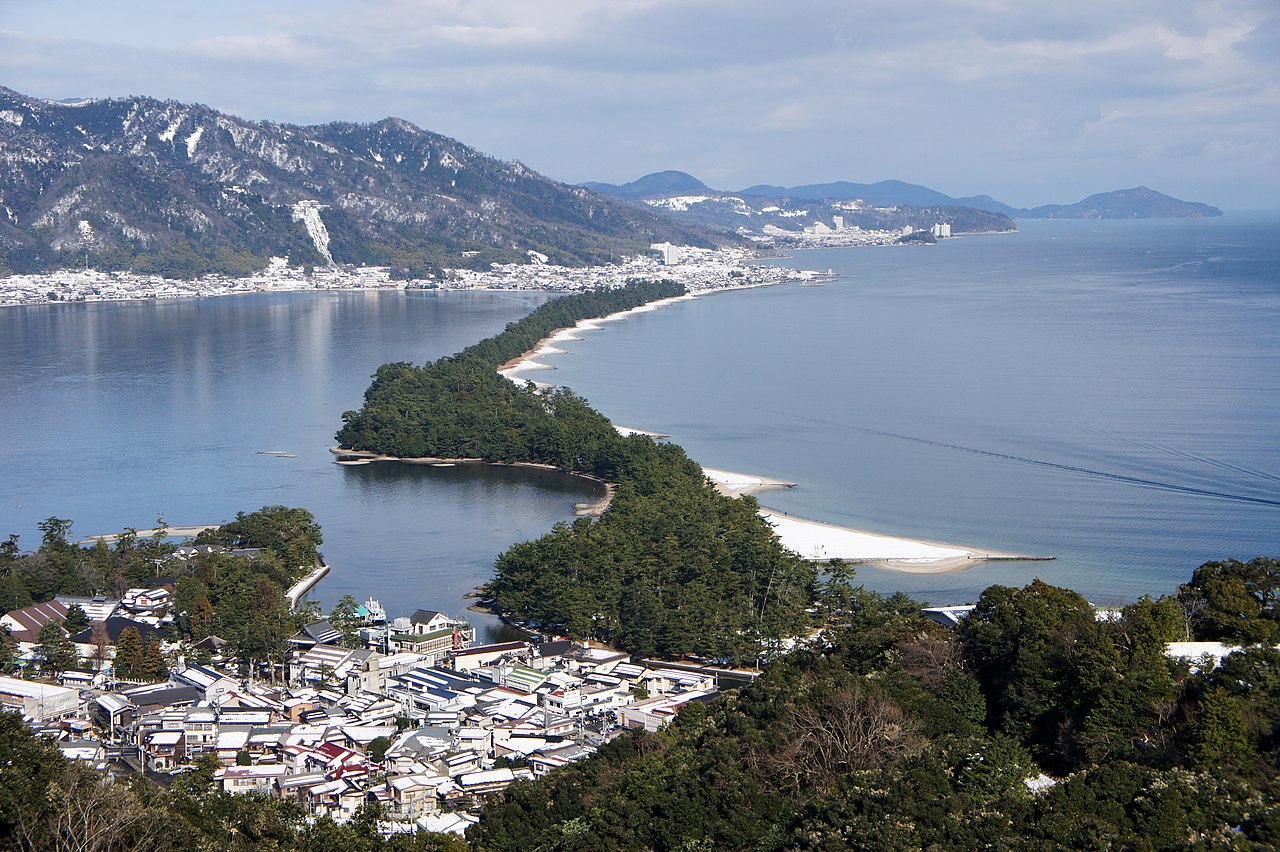


Geography and major areas
Kansai's landscape ranges from coastal plains and bays to inland mountains. Major urban centers anchor the region and form economic and cultural clusters. Key prefectures and cities commonly associated with Kansai include:
- Osaka — a commercial and transport hub
- Kyoto — the historical capital with many heritage sites
- Kobe (Hyōgo) — a port city with international ties
- Nara — ancient temples and early capital history
- Shiga, Wakayama and parts of Mie — varied landscapes from lakes to coastlines
This pattern reflects the modern mapping of the regions of Japan, which blends older provincial boundaries with contemporary needs.
History and development
Kansai contains several of Japan's earliest political centers. Kyoto served as the imperial capital for more than a thousand years, and nearby Nara was the nation's first permanent capital in the 8th century. These historical roles left a dense legacy of temples, shrines and traditional neighborhoods. Over time, Osaka grew into a commercial powerhouse, especially in the early modern period, shaping Kansai as both a cultural and mercantile region.
Culture, language and cuisine
The region is noted for distinctive cultural traits. A recognizable regional dialect, Kansai-ben, differs in intonation and vocabulary from standard Japanese and is often associated with humor and warmth in popular culture. Kansai cuisine emphasizes regional specialties such as kaiseki-style meals, Kyoto's refined seasonal dishes, the street foods of Osaka (for example takoyaki and okonomiyaki), and local tea and confectionery traditions. Cultural tourism is concentrated on preserved historic districts, festivals, performing arts and craft traditions.
Economy, transport and importance
Kansai combines historic sites with intensive modern infrastructure. Osaka functions as an economic and logistics center, supported by railways, the Shinkansen network and airports, including a major international gateway serving the region. Manufacturing, trade, tourism and services all play important roles. Its location and ports contribute to both domestic distribution and international commerce, highlighting Kansai's continuing practical and strategic value in Japan's national economy.
Distinctions and administrative role
Although sometimes called Kinki or Kinai in administrative and historical contexts, Kansai is primarily a cultural-geographic concept used for comparison and planning. The regional label is one of the long-standing ways to describe Japan's internal diversity and has been part of national organization since the early 20th century. For discussions of the region's roles in governance and policy, see resources on the region's administrative functions and its geographical influence within Japan.
Notable facts: Kansai's mixture of ancient capitals and modern cities makes it a focal point for heritage preservation and contemporary urban life; its dialects, festivals and foods remain influential across Japan.
Related articles
Author
AlegsaOnline.com Kansai region (Kinki / Kinai) — cultural and historical heart of western Honshu Leandro Alegsa
URL: https://en.alegsaonline.com/art/52147
Sources
- books.google.com : Japan Encyclopedia
- books.google.com : Japan Encyclopedia
- books.google.com : Japan Encyclopedia
- lcweb2.loc.gov : Library of Congress Country Studies, Japan
- lcweb2.loc.gov : "Geographic Regions"
- books.google.com : A Traveller's History of Japan
- docs.google.com : "Regions of Japan"
- books.google.com : Kingdom of Beauty: Mingei and the Politics of Folk Art in Imperial Japan
- books.google.com : Japan Encyclopedia
- lcweb2.loc.gov : "Kinki"
- books.google.com : Local Government in Japan
- books.google.com : Japan Encyclopedia
- books.google.com : Japan Encyclopedia
- books.google.com : Japan Encyclopedia
- books.google.com : Japan Encyclopedia