
Kabul markhor (Capra falconeri megaceros)
A subspecies of markhor native to Afghanistan and Pakistan, recognized for its large spiraled horns. It faces threats from hunting and habitat loss and is the subject of regional conservation efforts.
Overview
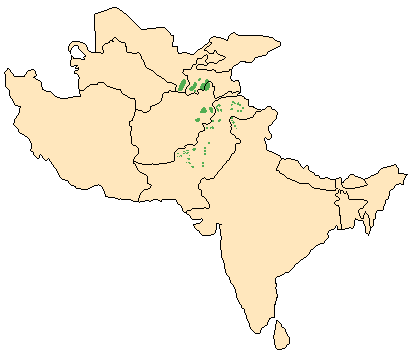
The Kabul markhor (Capra falconeri megaceros) is a wild caprine native to mountainous areas of central and eastern Afghanistan and parts of northern Pakistan. As a distinct subspecies of the markhor, it is valued for its impressive, spiraling horns and its role in local ecosystems. Populations are fragmented and vulnerable, and the taxon is generally regarded as threatened within its native range. For geographic context see Afghanistan and Pakistan.
Image gallery
8 Images



Physical characteristics
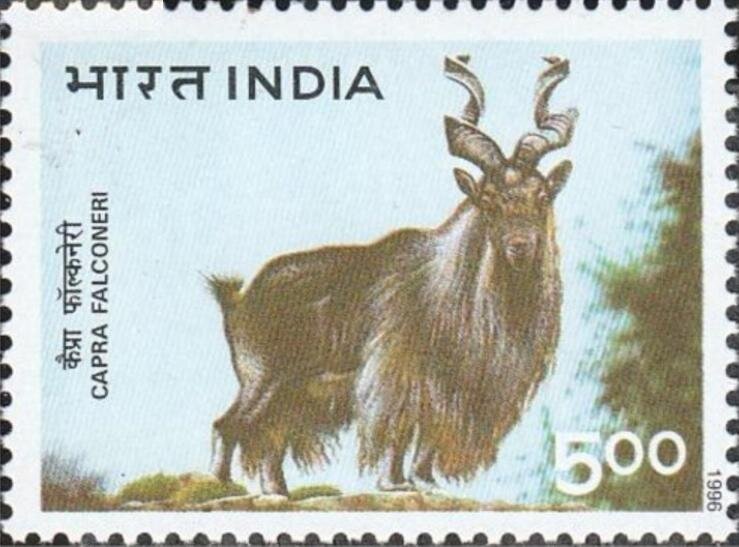
Kabul markhor are medium-to-large wild goats with sturdy bodies adapted for steep, rocky terrain. Key identifying traits include a long beard in males, coarse winter coats, and the characteristic horns that grow in a dramatic corkscrew or spiral shape. Horns can be large and flaring compared with some other markhor forms, and this distinctive horn morphology helps separate the Kabul markhor from related subspecies of markhor.
Habitat and behavior
These animals occupy rugged, dry mountain slopes, cliffs and scrubby foothills where grasses, shrubs and low woody plants provide forage. They are agile climbers, able to navigate steep escarpments to escape predators and reach seasonal forage. Kabul markhor typically form small herds; adult males are often solitary or in small bachelor groups outside the breeding season, while females and young form maternal groups.
Reproduction and diet
Breeding usually occurs once per year, with births timed so that offspring arrive when food resources are improving in spring. The species is herbivorous, feeding on grasses, herbs, leaves and shoots. Seasonal movements to different elevations are common as animals track food availability and snow lines.
Threats and conservation
- Primary threats include illegal hunting, competition with domestic livestock, habitat degradation and occasional disease transmission from livestock.
- Conservation responses in the region include protected areas, anti-poaching initiatives, and community-based management schemes that aim to balance local livelihoods and wildlife protection.
- Because the Kabul markhor is a recognized subspecies, efforts to monitor its numbers and genetic distinctiveness continue; for status details see resources on endangered subspecies here.
Cultural significance and notable distinctions
Markhor in general hold cultural and symbolic importance across parts of Central and South Asia. The Kabul markhor’s impressive horns make it a focal species for conservation awareness and, when present legally and sustainably, regulated hunting has been used in some areas to fund local stewardship. Taxonomically and visually, the Kabul markhor is distinguished from other regional markhor forms by horn shape and size as well as by its particular mountain range distributions.
Related articles
Author
AlegsaOnline.com Kabul markhor (Capra falconeri megaceros) Leandro Alegsa
URL: https://en.alegsaonline.com/art/51848