
Kea (Nestor notabilis): the alpine parrot of New Zealand
Kea are large, intelligent, olive-green parrots endemic to New Zealand's South Island. Noted for curiosity, alpine habits and complex social behavior, they face conservation challenges from predators and human conflict.
Overview
The kea (Nestor notabilis) is a large, endemic parrot of the South Island of New Zealand. Belonging to the family Nestoridae, it is remarkable for occupying alpine and subalpine habitats—making it arguably the world’s only truly mountain-dwelling parrot. Kea are widely known for their intelligence, bold curiosity around novel objects, and foraging flexibility.
Image gallery
10 Images




Appearance and distinguishing features
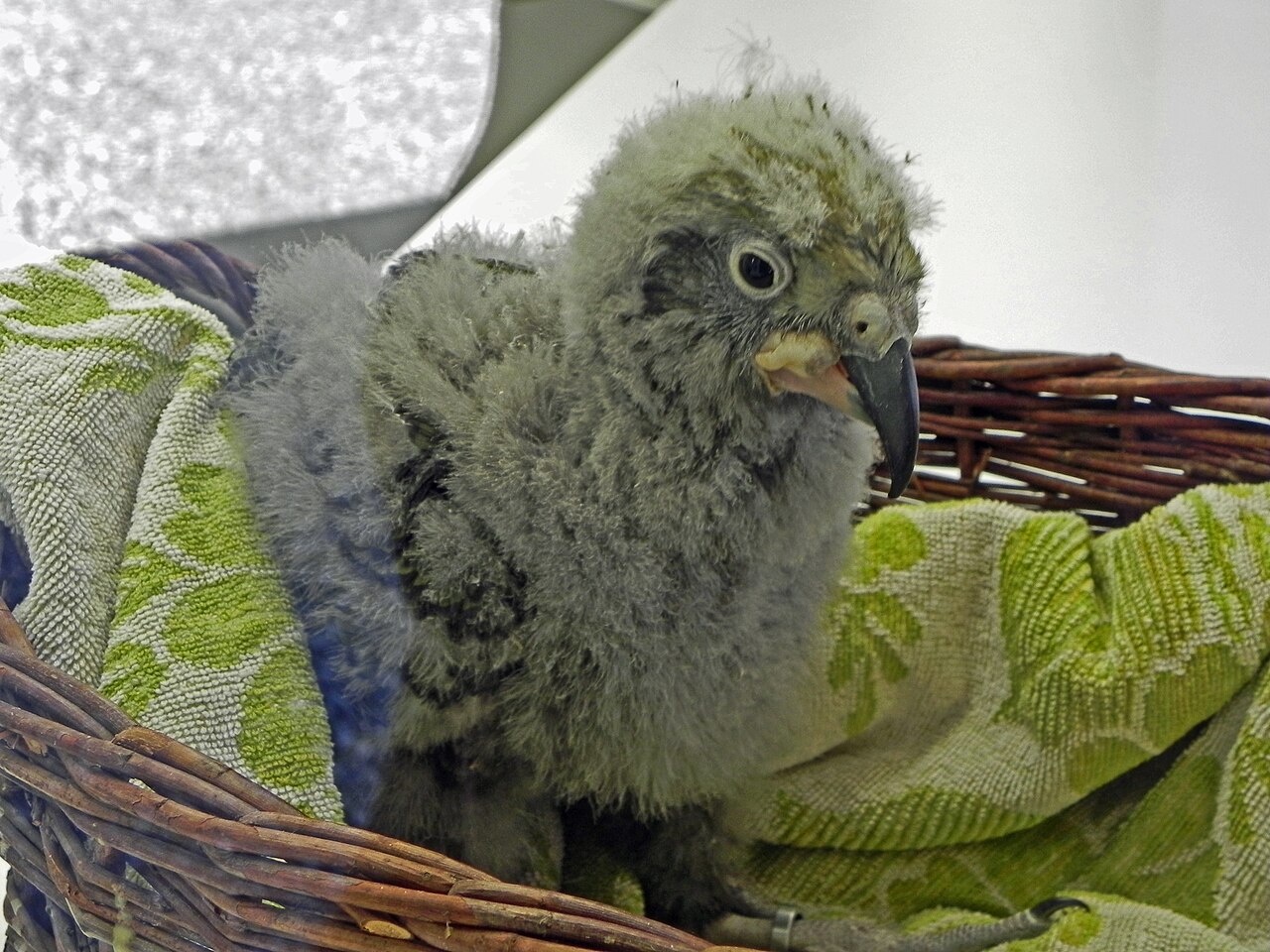
Adults have mainly olive-green plumage with darker edges, a long curved grey-brown upper beak, and flashes of orange under the wings that are visible in flight. They are relatively large for parrots, with strong legs and a robust beak adapted for prying, tearing, and probing into soil and crevices. Their vocal repertoire is varied, used in flock communication and social interactions.
Behavior and intelligence
Kea are highly social and often seen in flocks. They display playful behaviors—manipulating objects, sliding on snow, and investigating human equipment. Scientific studies and repeated observations indicate advanced problem-solving skills and a capacity for innovation. This cognitive flexibility helps them exploit diverse food sources in a harsh mountain environment.
Diet, breeding and habitat
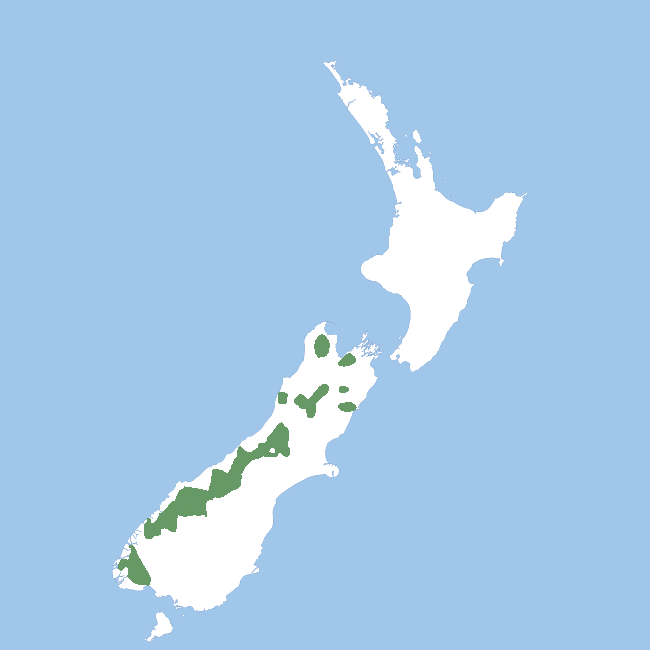
Opportunistic omnivores, kea eat a mix of plant material, fruits, seeds, insects, and carrion. They forage across alpine meadows, forest edges and rocky terrain on the South Island. Breeding season typically involves nesting in crevices, caves, or hollow trees; pairs or small groups raise chicks that learn through exploration and social learning.
Human interactions and conservation
Kea are famous for interacting with human objects—pecking rubber seals on cars, removing wipers, and investigating backpacks. Such behavior can bring them into conflict with people and livestock owners. Historical reports of kea damaging sheep were controversial and later reinterpreted by researchers; nonetheless, human–wildlife conflict has influenced attitudes and policies.
- Key threats: introduced predators, habitat change, and negative human interactions.
- Conservation actions: predator control, public education, legal protection, and research into behavior and population trends.
For broader context on parrots and conservation, see a general resource on the parrot family and regional information on the New Zealand environment. Kea remain one of New Zealand’s most iconic, charismatic, and intellectually intriguing native birds, admired for their boldness and adaptability yet vulnerable to modern threats.
Related articles
Author
AlegsaOnline.com Kea (Nestor notabilis): the alpine parrot of New Zealand Leandro Alegsa
URL: https://en.alegsaonline.com/art/52667
Sources
- iucnredlist.org : "Nestor notabilis"
- stuff.co.nz : "Roadcone-moving kea get gym to distract them away from traffic"
- commons.wikimedia.org : Kea