
Arakanese (Rakhine) people: history, language, and distribution
An overview of the Arakanese (Rakhine) people: their language and culture, historical kingdom of Arakan, and present communities in Myanmar, Bangladesh and India.
Overview
The Arakanese, commonly known as the Rakhine people, are an ethnic community long associated with the coastal region of western Myanmar, historically called Arakan and today largely corresponding to Rakhine State. They have a distinct regional identity within Myanmar, speak a variety of Burmese known as the Rakhine or Arakanese dialect, and maintain cultural practices shaped by maritime trade, agriculture and Buddhism. Significant Arakanese or Arakanese-descended populations also live across the border in parts of Bangladesh and in northeastern India.
Image gallery
10 Images




Language, religion and cultural traits
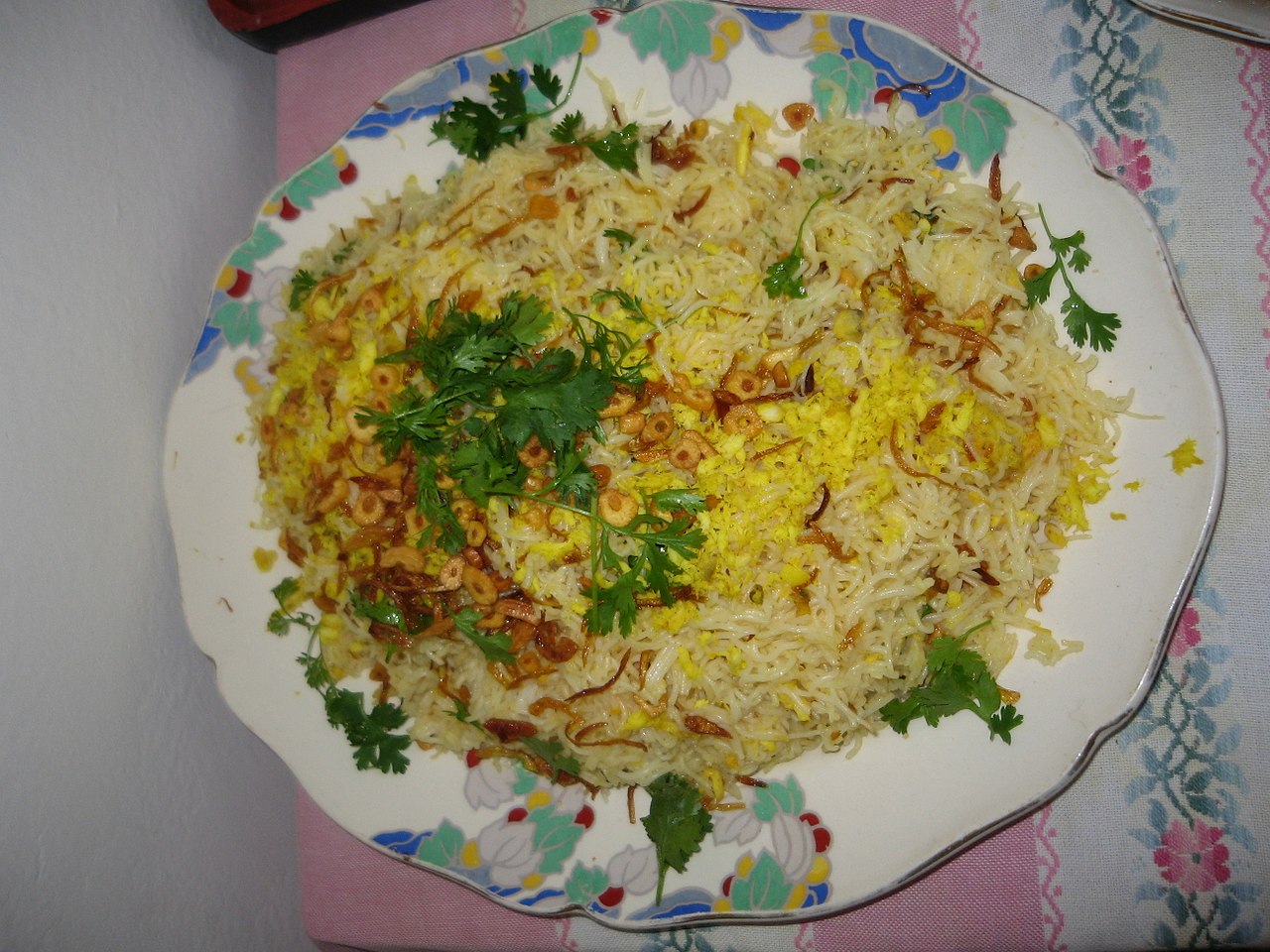
Their primary language is a local variety of Burmese with phonological and lexical differences from Standard Burmese; it preserves some archaic forms and has absorbed vocabulary from neighboring languages through centuries of contact. The majority of Arakanese follow Theravada Buddhism, which structures many communal rituals and festivals. Traditional livelihoods include rice cultivation, fishing, boatbuilding and coastal trade, and the region is known for crafts such as weaving, lacquerware and distinct culinary traditions that reflect coastal ingredients and regional spices.
History and political identity
Arakan has a long documented history as an independent polity. The historic Kingdom of Arakan (also called the Mrauk-U dynasty in later medieval centuries) at times controlled coastal territories and engaged in maritime commerce with South and Southeast Asia. That history created cultural ties stretching into what are now neighboring countries. Over the past two centuries, political changes under colonial rule and the formation of modern nation-states altered the Arakanese social and administrative landscape, but a regional identity rooted in the Arakanese past remains prominent.
Distribution and communities
- Myanmar: The largest concentration is along the coast of present-day Rakhine State in western Myanmar; see general country context at Myanmar.
- Bangladesh: Arakanese and their descendants live in southeastern Bangladesh, notably in parts of the Chittagong and Barisal Divisions, with the Marma people representing a recognized Arakanese-derived group in the Chittagong Hill Tracts; see Bangladesh and Chittagong Hill Tracts.
- India: Smaller communities of Arakanese descent occur in northeastern India, including Tripura, where historical ties date to periods when Arakanese rulers influenced the region; regional context: Tripura.
Reliable, up-to-date population counts are difficult to state precisely because census methods and ethnic classifications have varied over time; some sources give approximate percentages of the national population, but figures should be treated cautiously (census context).
Names and regional terminology
Across neighboring languages and historical records the Arakanese have been referred to by a variety of names. In regional Bengali and older sources, terms such as "Magh" or "Mog" appear to denote Arakanese people or their maritime communities; in Bangladesh the Arakanese-descended groups are often known as the Marma. These names reflect historical contact, migration and local naming practices rather than a single uniform label.
Significance and contemporary issues
Today the Arakanese are significant both for their cultural contributions to the coastal Bay of Bengal region and for their role in the complex social and political fabric of western Myanmar and neighboring areas. Their history of independent rule, coastal commerce and cross-border communities helps explain enduring cultural links across modern borders. Contemporary matters concerning identity, citizenship and intercommunal relations in the region are sensitive and tied to wider national developments.
For further general background on the country and regions mentioned, consult entries on Myanmar, Bangladesh and Tripura, or sources addressing historical Arakanese polities and the Marma people in the Chittagong Hill Tracts (CHT, census context).
Related articles
Author
AlegsaOnline.com Arakanese (Rakhine) people: history, language, and distribution Leandro Alegsa
URL: https://en.alegsaonline.com/art/5165