
Ardipithecus: an early hominin genus and its significance
Ardipithecus is an early hominin genus from East Africa. Known from two species, it combines arboreal and bipedal traits and informs debates about the origins of human locomotion and social anatomy.
Overview — Ardipithecus is a fossil genus of early hominins from East Africa, known from remains dated to the late Neogene. The genus is important because it preserves a mosaic of primitive ape-like features together with traits interpreted as early steps toward the anatomy seen in later hominins.
Image gallery
9 Images

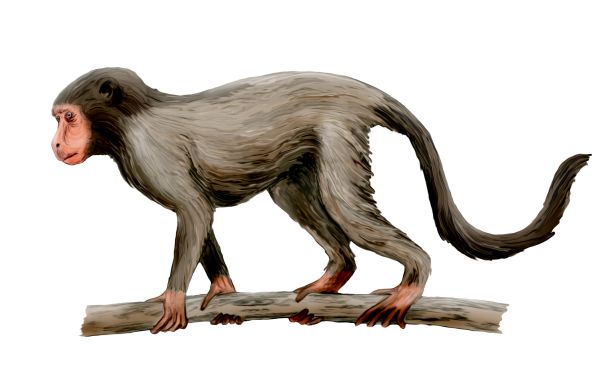
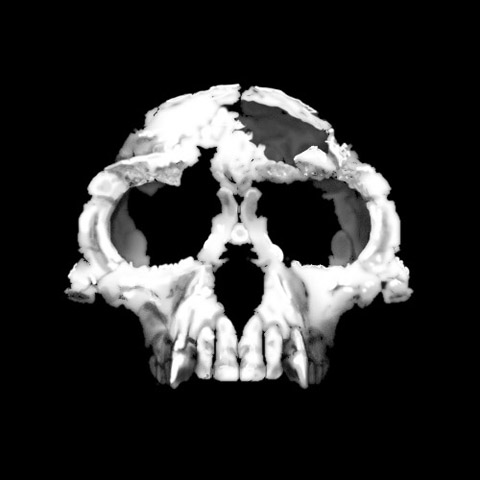

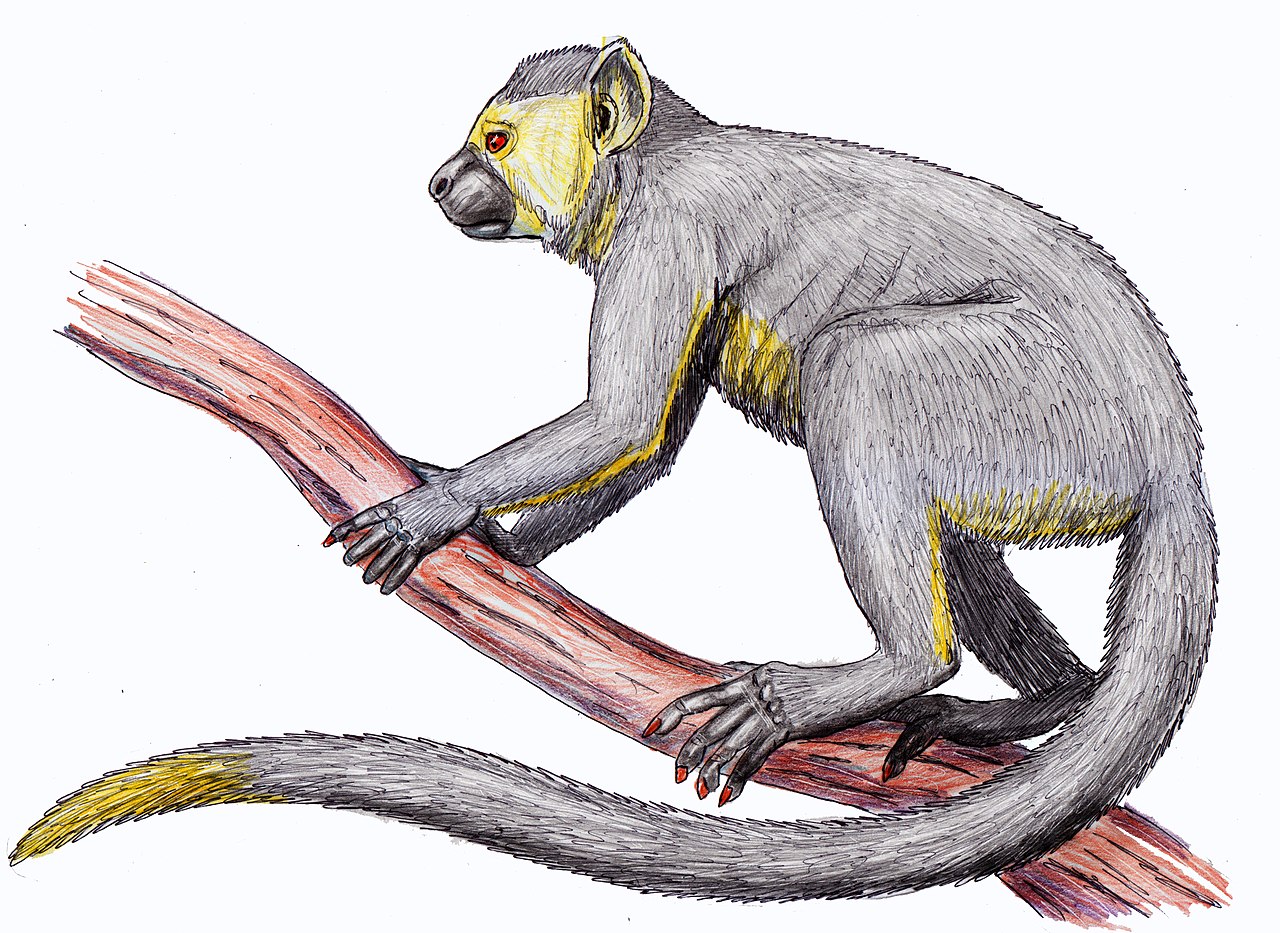

Species and age
Two species are generally recognized. Ardipithecus kadabba is known from older material, often placed in the late Miocene (roughly 5.6 million years ago), while A. ramidus is better represented and dated to about 4.4 million years ago during the earlier part of the Pliocene. These ages place Ardipithecus close to the time commonly associated with the split between the human lineage and the line leading to living African apes such as Pan and Gorilla.
Anatomy and locomotion
Ardipithecus shows a combination of traits that has led researchers to describe it as a transitional form. Skeletal elements indicate a degree of bipedalism in the pelvis and lower limb, but the foot retained a divergent, grasping big toe consistent with time spent in trees. The brain size was small compared with later hominins, and cranial features retain many primitive characteristics. Dental features include reduced, less projecting canine teeth compared with living great apes, a change that has been linked to shifts in social behavior and mating systems and is also seen later in Australopithecus and other early hominins.
Environment and behavior
Fossils come from deposits that represent woodland and riverine settings rather than open savanna, suggesting Ardipithecus exploited both arboreal and terrestrial resources. This environmental context challenges simple models that link early hominin bipedalism exclusively to life on open grasslands and supports more complex scenarios in which locomotor and feeding adaptations evolved in patchy, mixed habitats.
Fossil record and interpretation
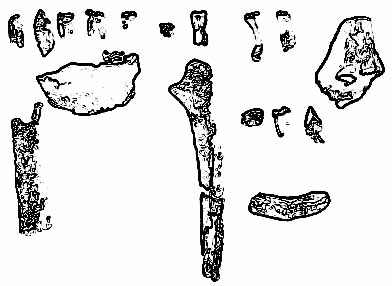
Material attributed to Ardipithecus includes teeth, mandible fragments, limb bones, pelvis elements and partial skeletons. Because these remains are older than most Australopithecus specimens, they are central to discussions about the sequence of anatomical changes leading to later hominins. While many paleoanthropologists consider Ardipithecus an early member of the human branch, some emphasize similarities with African apes and urge caution in reconstructing behavior and exact relationships.
Significance
Ardipithecus is widely cited for its role in illuminating early reductions in canine size and the coexistence of arboreal adaptations with evidence of upright posture. Its study continues to inform debates about when key hominin traits evolved and about how to interpret mosaic anatomy in the earliest members of the human lineage, including comparisons with Australopithecines and later hominins. For broader context see genus and taxonomy summaries (taxonomy), geologic background (Neogene), and comparative studies of locomotion and behavior (locomotion, ape anatomy).
Further resources and species summaries are available in specialized literature and curated databases (overview, genus accounts, species pages).
Questions and answers
Q: What is Ardipithecus?
A: Ardipithecus is a very early hominid genus.
Q: When did A. kadabba live?
A: A. kadabba lived about 5.6 million years ago (late Miocene).
Q: When did A. ramidus live?
A: A. ramidus lived about 4.4 million years ago during the early Pliocene.
Q: Does Ardipithecus share any traits with African great ape genera?
A: Yes, Ardipithecus shares several traits with African great ape genera (Pan and Gorilla).
Q: How do some scientists classify Ardipithecus?
A: Some scientists place Ardipithecus on the branch of African great ape genera rather than the human branch.
Q: Why do most scientists consider Ardipithecus a proto-human?
A: Most scientists consider Ardipithecus a proto-human because of a likeness in teeth with Australopithecus.
Q: What are some characteristics of Ardipithecus?
A: Ardipithecus had bipedalism and reduced canines, similar to the Australopithecines.
Related articles
Author
AlegsaOnline.com Ardipithecus: an early hominin genus and its significance Leandro Alegsa
URL: https://en.alegsaonline.com/art/5376
Sources
- doi.org : 10.1126/science.1175802
- pubmed.ncbi.nlm.nih.gov : 19810190
- news.nationalgeographic.com : "Fossils from Ethiopia may be earliest human ancestor"