
Armenian Americans: History, communities, and cultural life
Armenian Americans are U.S. residents of Armenian descent. This article summarizes population data, migration history, principal communities, institutions, cultural contributions and civic life.
An Armenian American is an American whose ancestry traces to the Armenian Highlands or modern Armenia. Community counts vary by source; in the 2009 United States Census about 1,270,000 people reported full or partial Armenian ancestry. Armenian Americans form one of the oldest and most visible elements of the Armenian diaspora in the Western Hemisphere.
Image gallery
10 Images




Origins and migration
Large-scale Armenian migration to the United States began in the late 19th and early 20th centuries, driven by economic opportunity and by persecution under the Ottoman Empire. The Armenian Genocide of 1915 produced a major refugee wave and shaped community institutions. Later arrivals included those fleeing Soviet-era restrictions and a further emigration after the collapse of the USSR. Newer migrants have contributed to family reunification and professional communities.
Communities and institutions
- Concentrations: Greater Los Angeles (Glendale, Burbank), Boston area (Watertown, Waltham), New York City, Detroit metro, Fresno and other California Central Valley cities.
- Religious life: Armenian Apostolic Church, Armenian Catholic and Protestant congregations serve as cultural centers.
- Institutions: community schools, cultural centers, newspapers and mutual-aid organizations maintain language and traditions.
Language, religion and communal institutions have been central to preserving Armenian identity. Many families speak Western or Eastern Armenian at home while younger generations often grow up bilingual. Schools, weekend classes and cultural festivals teach history, music and dance.
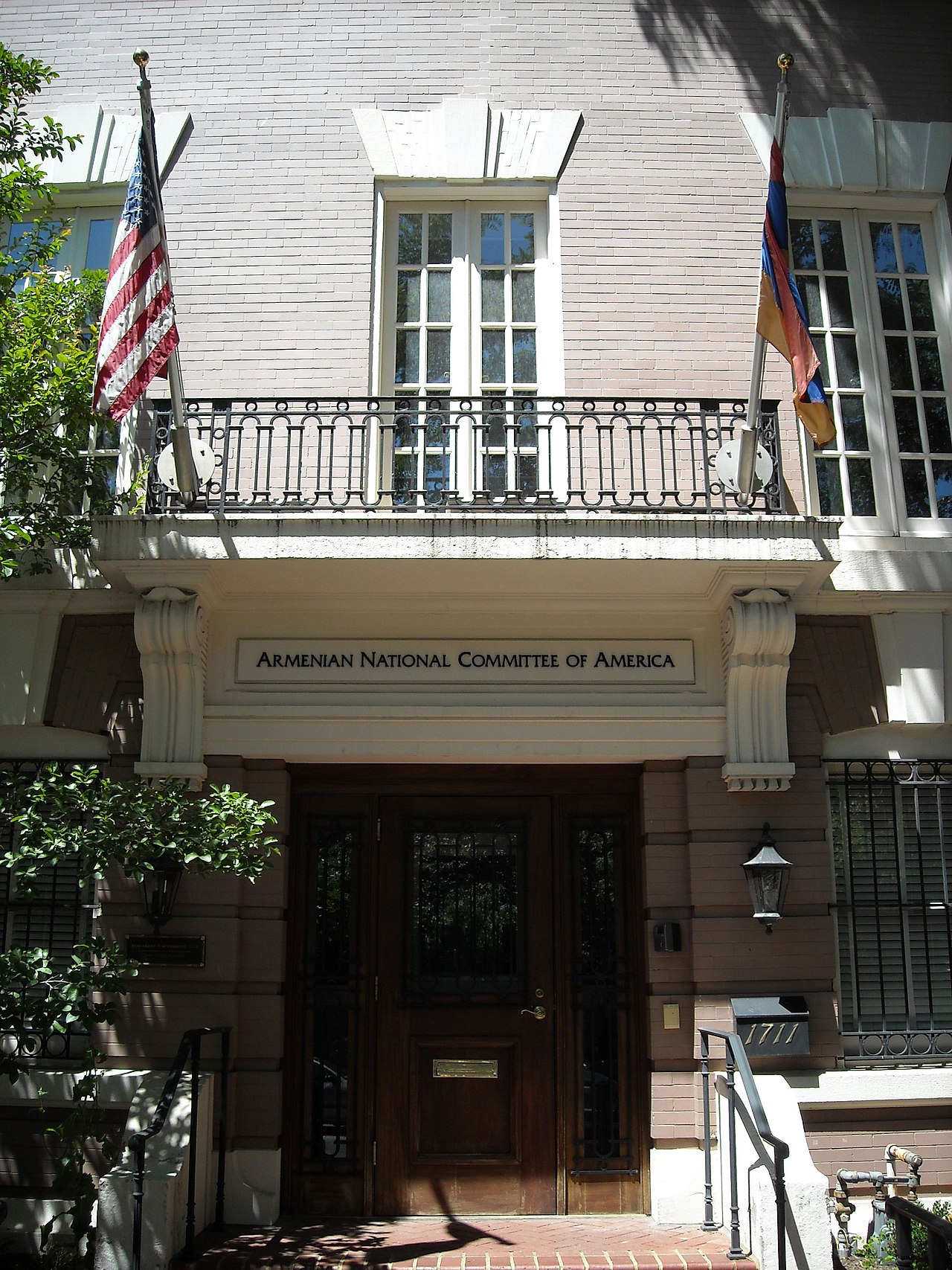
Armenian Americans have a visible presence in arts, academia, business and public service. Community advocacy—particularly regarding recognition and remembrance of the 1915 events—has been an important aspect of civic life. Annual commemorations and public events, including those held on April 24, keep historical memory alive.
For historic context about the ancestral homeland see Armenia. The Armenian American experience blends preservation of distinctive cultural traditions with participation in broader American society, producing a diverse and active diaspora community.
Tags
Related articles
Author
AlegsaOnline.com Armenian Americans: History, communities, and cultural life Leandro Alegsa
URL: https://en.alegsaonline.com/art/5699
Sources
- factfinder.census.gov : "American FactFinder - Results"
- armodoxy.blogspot.com : "Armodoxy"
- umd.umich.edu : umd.umich.edu/dept/armenian/papazian/america.html