
Araneomorphae — the modern 'true' spiders
Araneomorphae are the largest and most diverse infraorder of spiders, including orb‑weavers, jumping spiders and cobweb weavers. Overview of their anatomy, diversity, evolution, ecology and relation to other spider groups.
The Araneomorphae are the dominant group of living spiders and include the species people most often encounter in homes, gardens and natural habitats. Commonly called the "true" spiders, araneomorphs show an enormous range of forms and behaviors, from delicately orb‑wound webs to active stalking hunters. For a general introduction, see Araneomorphae.
Image gallery
6 Images



Key characteristics
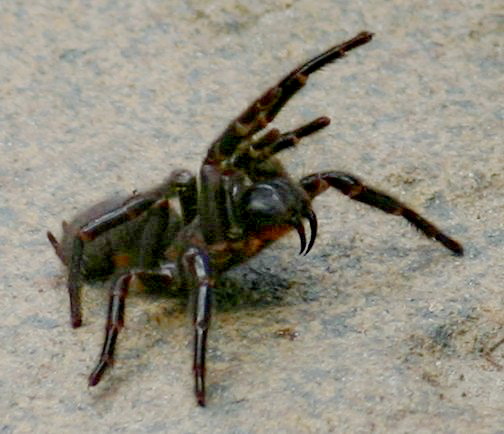
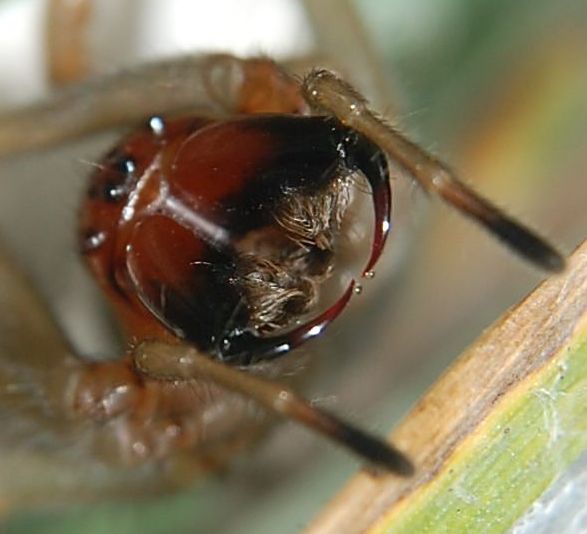
Araneomorphs are typically recognised by the orientation of their chelicerae (fangs), which oppose each other in a pincer‑like fashion (labidognath). Many species possess a single pair of book lungs that are often reduced or supplemented by tracheal tubes, an arrangement that suits active lifestyles. The silk apparatus is highly diversified: multiple gland types and spinneret arrangements allow production of capture webs, sticky threads, strong draglines and specialized silks for egg sacs and shelters. Eye number and layout vary widely, reflecting different hunting strategies and activity periods.
Diversity and examples
- Major families include orb‑weavers (Araneidae), jumping spiders (Salticidae), crab spiders (Thomisidae), cobweb weavers (Theridiidae) and many others.
- Habitats range from leaf litter and grassland to forest canopy, caves and human buildings; some species are very small and cryptic while others are conspicuous web builders.
- Behaviours include elaborate web construction, sit‑and‑wait ambushes, cursorial hunting, and complex courtship displays in groups such as jumping spiders.
Araneomorph silk supports diverse life functions: prey capture, egg protection, shelter construction, safety lines and ballooning — a dispersal method used by juveniles and small species that ride air currents on silk threads.
Life cycle and reproduction
Most araneomorphs lay eggs enclosed in silk sacs; parental care varies from none to guarding of sacs or young by the female. Development is direct (no larval stage) and involves successive molts to the adult form. Many species show seasonal cycles, and dispersal by ballooning contributes to wide distributions and colonisation of new habitats.
Evolution and relationships
Araneomorphae represent a more recently diversified branch of spiders compared with the ancient Mesothelae and the more basal Mygalomorphae, which include tarantulas. Key evolutionary changes involve fang orientation, greater diversification of the silk system and respiratory adaptations that favour higher activity levels. Fossil and molecular evidence indicate that araneomorphs radiated into many ecological niches during the Mesozoic and Cenozoic eras. For contrast with tarantulas and primitive lineages, consult resources on Mygalomorphae and the ancient Mesothelae.
Ecology and human relevance
As generalist and specialist predators, araneomorph spiders play important roles in regulating insect populations and supporting ecosystem balance. Most species are harmless to humans; bites are rare and typically produce minor effects, though a few species have medically significant venom. Their silks and predatory strategies are subjects of ecological, behavioural and materials‑science research. Araneomorphs are widespread in urban and agricultural landscapes where they contribute to natural pest control.
Because of their diversity and visibility, araneomorph spiders are often the focus of natural history studies and citizen science. Further reading and taxonomic resources are available for those seeking more detailed information on families, genera and identification keys.
Related articles
Author
AlegsaOnline.com Araneomorphae — the modern 'true' spiders Leandro Alegsa
URL: https://en.alegsaonline.com/art/5183