
Judiciary (judicial system)
The judiciary is the system of courts and judicial officers that interprets and applies law, resolves disputes, and safeguards rights. This article explains its structure, functions, history and key principles.
Overview
The judiciary is the network of institutions and people charged with interpreting and applying the law. In many legal traditions the judiciary acts in the name of the law or the state, often exercising its authority through a hierarchy of courts. Its primary purpose is to resolve disputes, enforce legal obligations, and protect rights and liberties.
Image gallery
5 Images


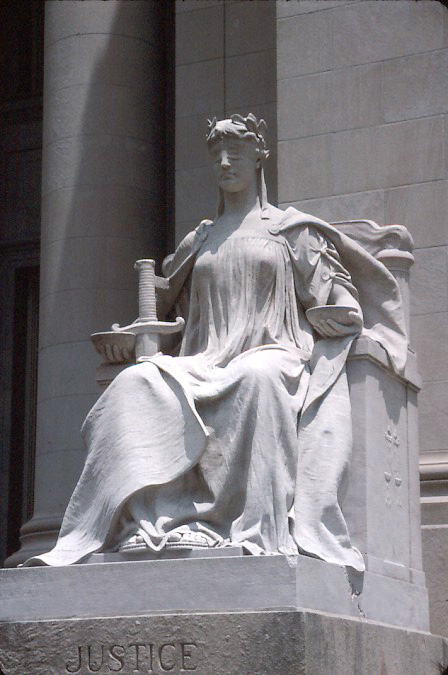

Structure and core components
Judicial systems vary by country, but common elements include:
- Trial courts that examine facts and apply rules;
- Appellate courts that review lower-court decisions for legal errors;
- Higher or supreme courts that settle important points of law or constitutional questions;
- Specialized tribunals for areas such as administrative, tax, family or labor matters.
Those institutions are operated by a range of professionals: judges and judges of various ranks, magistrates, clerks, court administrators, and other officials who keep cases moving and records accurate.
Functions and powers
Typical judicial functions include fact-finding in trials, interpreting statutes and legal precedents, applying rules to individual cases, and issuing remedies such as damages or injunctions. In some systems courts also exercise judicial review, assessing whether laws or government acts are compatible with a constitution or basic legal norms.
History and development
Institutions we now call courts developed over centuries from local dispute resolution assemblies and royal adjudication. Modern judiciaries were shaped by ideas of rule of law and separation of powers that emerged in early modern Europe and later spread worldwide. Different legal families — notably civil law and common law — influenced how courts are organized and how judges decide cases.
Uses, examples and importance
Courts handle criminal prosecutions, civil lawsuits, property disputes, family matters, and regulatory conflicts. They provide a peaceful means to resolve conflicts that might otherwise escalate, and they can serve as a check on executive and legislative power when independence and procedural safeguards exist.
Principles, variations and notable facts
Key principles associated with the judiciary are impartiality, independence, transparency, and access to justice. Appointment, tenure, and accountability of judicial officers differ widely: some systems favor life tenure to protect independence, while others use term limits or elected judges. The balance between written codes and case-based precedent also varies between jurisdictions, influencing how judges reason and how predictable outcomes may be.
For further reading on comparative arrangements and reforms, see general references on court administration and constitutional law: sovereign roles, dispute resolution, and institutional design discussions at sources indexed by legal scholars and practitioners (judicial profiles, magistrate systems, court structures, and other overviews about law).
Related articles
Author
AlegsaOnline.com Judiciary (judicial system) Leandro Alegsa
URL: https://en.alegsaonline.com/art/51432