
Jury trial (trial by jury)
A jury trial is a legal proceeding where ordinary citizens determine facts and deliver a verdict. It contrasts with bench trials and plays a key role in many criminal and civil justice systems.
Overview
A jury trial, often called a trial by jury, is a form of legal proceeding in which a group of citizens listens to evidence, applies the law as instructed by a judge, and reaches conclusions about disputed facts. A jury's collective decision is commonly known as a verdict. The court then records a judgment or sentence consistent with that verdict, subject to any legal post-trial motions or appeals. The institution brings lay participation into adjudication and is a central feature of many common-law systems.
Image gallery
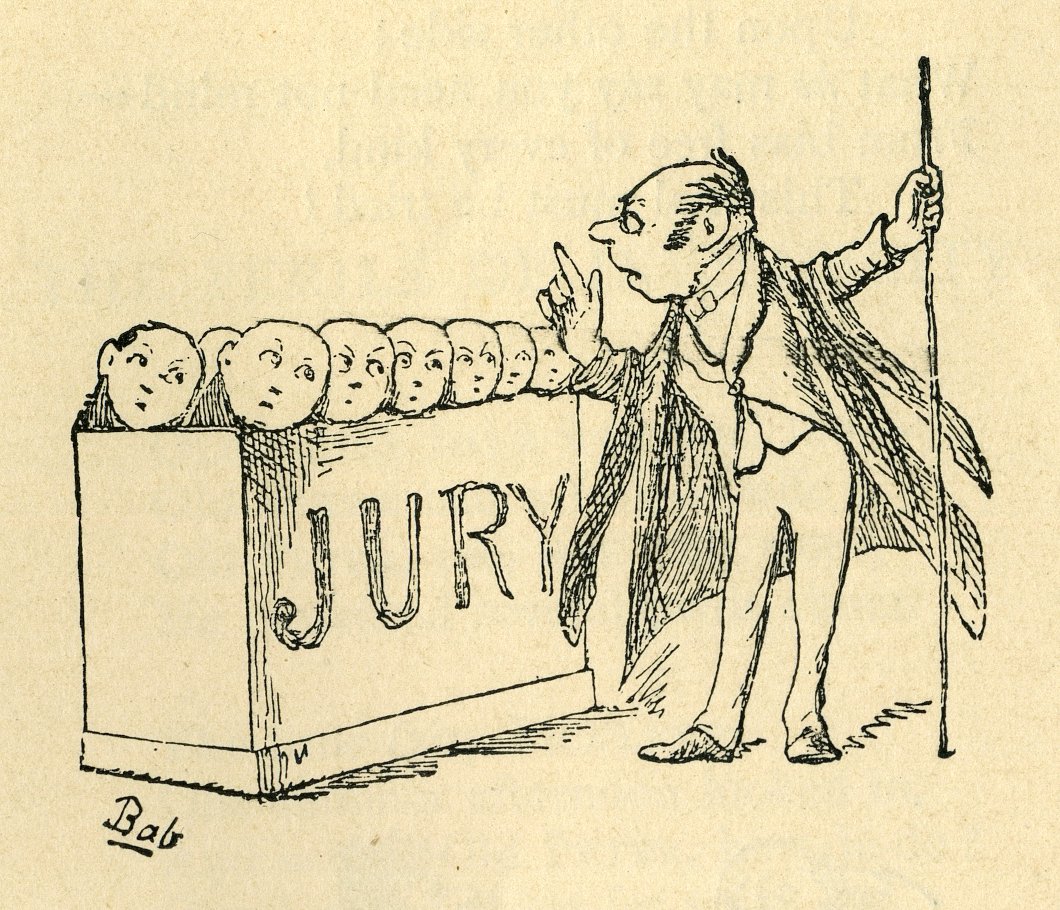
2 Images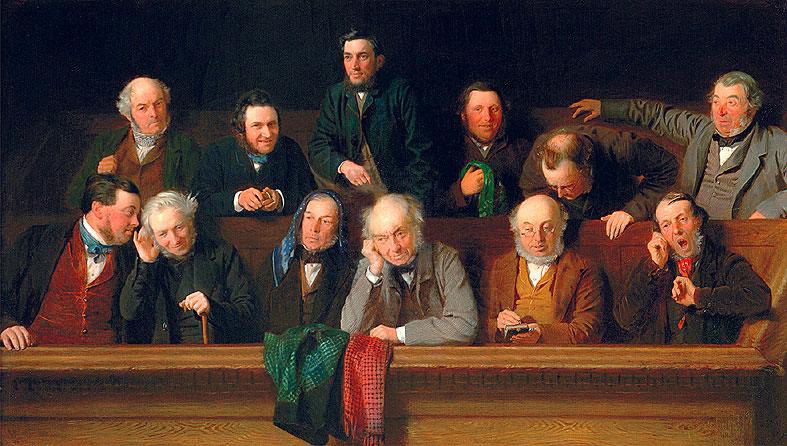
Procedure and roles
Typical elements of a jury trial include jury selection, opening statements, presentation of evidence and witnesses, cross-examination, legal instructions delivered by the presiding judge, jury deliberation, and announcement of the verdict. The judge oversees legal questions and procedure, while the jury focuses on factual findings. Key stages are often:
- Selection and empaneling of jurors.
- Evidence presentation and objections.
- Instructions on applicable law from the judge.
- Deliberations in private and unanimous or majority decision-making.
History and development
The practice has deep roots in medieval systems of dispute resolution and evolved within English common law into a formal right for many defendants and litigants. Over centuries it spread to other jurisdictions and was incorporated into several constitutional texts as a safeguard against arbitrary state power. Local procedures, jury sizes and decision rules vary by country and by the type of case.
Uses, importance and variations
Jury trials are most common in serious criminal cases and certain civil disputes. Advocates argue they promote community involvement, legitimacy, and impartial fact-finding; critics cite cost, time, possible juror bias, and difficulty with complex technical evidence. Variations include civil juries, criminal juries, advisory juries, and the contrasting bench trial where a judge alone decides both law and facts.
Notable facts and issues
Rules differ on whether verdicts must be unanimous or may be by majority, how hung juries are handled, and how juror conduct is monitored. Concepts that arise in discussion include jury nullification, standards of proof, and the interaction between jury findings and judicial rulings. For further legal definitions and procedural guides see legal resources and explanatory materials on findings of fact and jury roles. Additional practice notes are available from court handbooks and advocacy guides (learn more about juries).
Questions and answers
Q: What is a jury trial?
A: A jury trial is a legal proceeding in which a jury makes a decision or makes findings of fact.
Q: What does the jury's decision in a trial or trial by jury called?
A: The jury's decision in a trial by jury is called a verdict.
Q: What is the role of the judge in a jury trial?
A: In a jury trial, the judge usually follows the jury's verdict in his ruling.
Q: What is the difference between a jury trial and a bench trial?
A: In a bench trial, a judge or panel of judges make all decisions, while in a jury trial, a jury makes decisions or makes findings of fact.
Q: Can a judge ignore the jury's verdict in a trial by jury?
A: Yes, a judge can ignore the jury's verdict, but it is not common practice since the judge usually follows the jury's decision.
Q: Who makes the final decision in a jury trial?
A: The final decision in a jury trial is usually made by the judge, who follows the jury's verdict.
Q: What is the importance of the jury's role in a trial by jury?
A: The jury's role is to make a decision or findings of fact, which the judge usually follows in his ruling. Their decision is important since it can affect the final outcome of the trial.
Related articles
Author
AlegsaOnline.com Jury trial (trial by jury) Leandro Alegsa
URL: https://en.alegsaonline.com/art/51748
Sources
- vermontjudiciary.org : "Origins and History of the Jury"
- totallyhistory.com : "7th Amendment to the Constitution"
- economist.com : "The jury is out"
- washingtonpost.com : "The uncivil jury, part 5: What to do now — repeal and redesign"
- constitutioncenter.org : "The Seventh Amendment"
- legal-dictionary.thefreedictionary.com : "Seventh Amendment"
- criminal.findlaw.com : "Right to a Speedy Jury Trial"