
John Edward Reinhardt
American career diplomat (1920–2016). Ambassador to Nigeria (1971–75), Assistant Secretary of State for Public Affairs (1975–77) and director of the United States Information Agency (1977–80).
Overview
John Edward Reinhardt (March 8, 1920 – February 18, 2016) was an American diplomat and senior foreign service officer. Born in Knoxville, Tennessee, he rose through the ranks of U.S. public diplomacy during the Cold War era and held several high-profile posts in the 1970s, including service abroad and leadership of public affairs agencies in Washington.
Image gallery
1 Image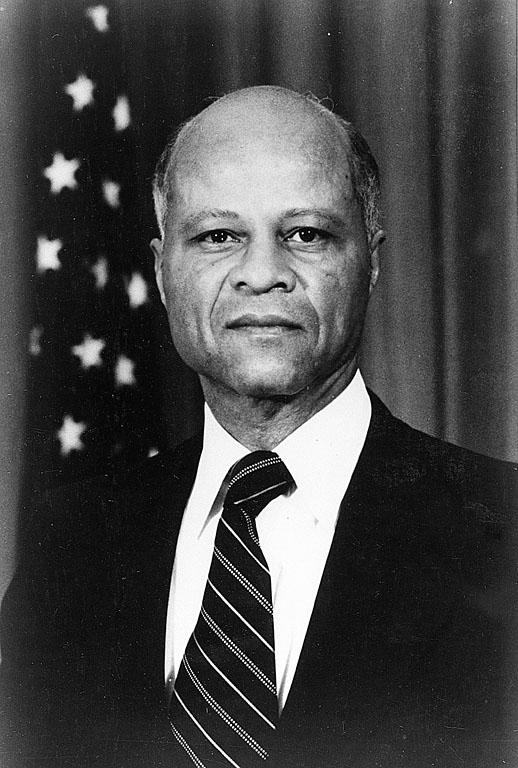
Career and key positions
Reinhardt's professional life combined overseas representation with public information management. His most noted assignments include:
- U.S. Ambassador to Nigeria (Nigeria, 1971–1975), a posting that placed him in one of Africa's most influential capitals in the decade after the Biafran conflict.
- Assistant Secretary of State for Public Affairs (1975–1977), overseeing how the State Department communicated U.S. foreign policy to domestic and international audiences.
- Director of the United States Information Agency (USIA) from 1977 to 1980, leading the agency responsible for many of the government's international information and cultural programs.
Context and significance
Reinhardt's appointments occurred during a period when the United States was expanding representation of African Americans in senior diplomatic roles. Serving as ambassador to Nigeria in the early 1970s placed him at the intersection of U.S.-Africa relations, development assistance debates, and Cold War cultural engagement. As head of public affairs at the State Department and later of the USIA, he shaped messaging and cultural diplomacy during administrations that spanned both Republican and Democratic presidencies.
Later life and death
After leaving government posts, Reinhardt remained associated with public diplomacy concerns and was sometimes consulted on communications and international affairs. He died on February 18, 2016 in Silver Spring, Maryland, at the age of 95, following a stroke. His career is often cited as part of a broader expansion of diversity in the U.S. foreign service in the latter half of the twentieth century.
Notable facts and legacy
Reinhardt is remembered for holding senior public diplomacy roles at a time when such positions influenced both bilateral relations and global perceptions of the United States. His tenure illustrates how diplomats combined embassy responsibilities with management of government information programs. Scholars and practitioners of public diplomacy often reference figures like Reinhardt when tracing the development of U.S. international communication efforts during the Cold War and the evolving role of minority diplomats in American foreign policy.
Related articles
Author
AlegsaOnline.com John Edward Reinhardt Leandro Alegsa
URL: https://en.alegsaonline.com/art/50783