
John Rolfe (c. 1585–1622)
English settler known for establishing marketable tobacco cultivation in Virginia and for his marriage to Pocahontas, which had political and cultural significance in early colonial history.
Overview
John Rolfe was an early English settler in North America who played a pivotal role in transforming the economy of the Colony of Virginia. Arriving in the years after Jamestown's founding, he is best known for developing a commercially successful form of tobacco as an export crop, and for his marriage to Pocahontas, the daughter of a Powhatan leader.
Image gallery
3 Images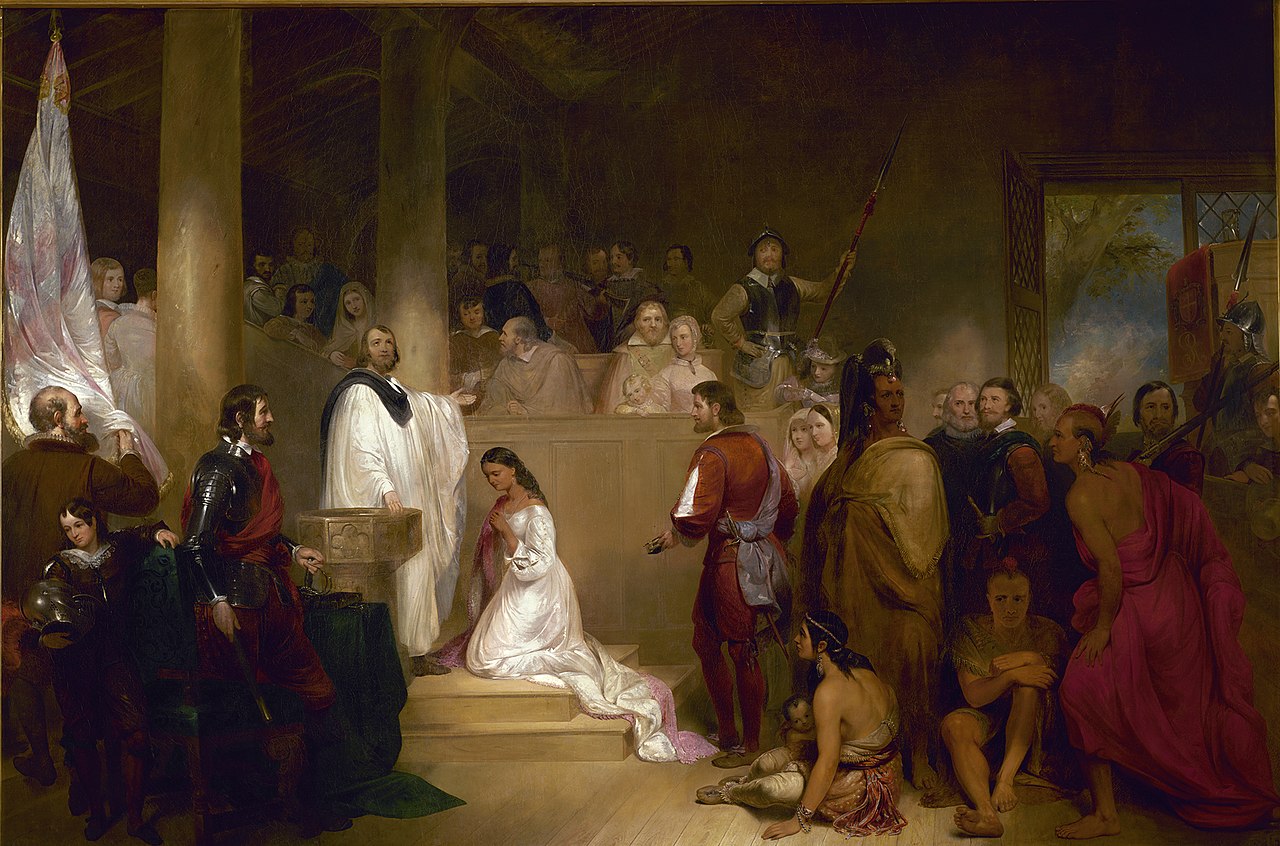


Tobacco cultivation and economic impact
Rolfe experimented with tobacco varieties brought from the Caribbean and established cultivation and curing techniques that produced a milder leaf acceptable to English tastes. His success turned tobacco into Virginia's principal commodity, attracting investment and settlers, and shaping patterns of land use, labor, and trade. The profitability of the plant encouraged expansion of plantations and increased demand for labor, with long-term social and demographic consequences for the colony.
Marriage and diplomacy
In 1614 Rolfe married Pocahontas in a union that contemporaries celebrated as symbolically reconciling English colonists and the Powhatan peoples. The marriage helped to secure a period of relative peace and was used by colonial leaders to promote settlement. Rolfe and Pocahontas had a son, Thomas; she later traveled to England with Rolfe and died there in 1617. The marriage has been interpreted variously as personal, political, and emblematic of cross-cultural contact in the early seventeenth century.
Later life and legacy
Rolfe continued to manage plantations and correspond with investors and officials in England, advocating for the colony's agricultural prospects. He returned to Virginia after Pocahontas's death and remained an influential planter until his death in 1622. Historians credit him with helping to transform Virginia from a struggling settlement into a profitable colony, though the tobacco economy also accelerated dispossession of Indigenous lands and changes in labor systems.
Notable facts
- Economic innovation: Rolfe's tobacco cultivation techniques created a viable export market for Virginia.
- Cross-cultural link: His marriage to Pocahontas became a prominent narrative in colonial history.
- Enduring consequences: The rise of tobacco production reshaped land use, labor, and Anglo-Indigenous relations in the region.
For further reading on Rolfe's life, the tobacco trade, and early Virginia society, see contemporary archival accounts and modern syntheses of colonial history. Sources often discuss his agricultural experiments, his letters promoting the colony, and how his actions influenced both short-term diplomacy and long-term economic change.
Related articles
Author
AlegsaOnline.com John Rolfe (c. 1585–1622) Leandro Alegsa
URL: https://en.alegsaonline.com/art/50788