
Knoxville, Tennessee — Overview, History and Significance
Knoxville is a city in eastern Tennessee, county seat of Knox County. Founded 1786, it hosted the 1982 World's Fair and is home to the University of Tennessee and important research and energy institutions.
Knoxville is a city in the eastern part of the U.S. state of Tennessee. It is the county seat of Knox County and is traditionally listed as the third-largest city in the state after Memphis and Nashville. The city grew around a river and transportation corridor and serves as a regional center for culture, education, and industry. According to the 2010 U.S. census, Knoxville had a population of 178,874.
Image gallery
10 Images


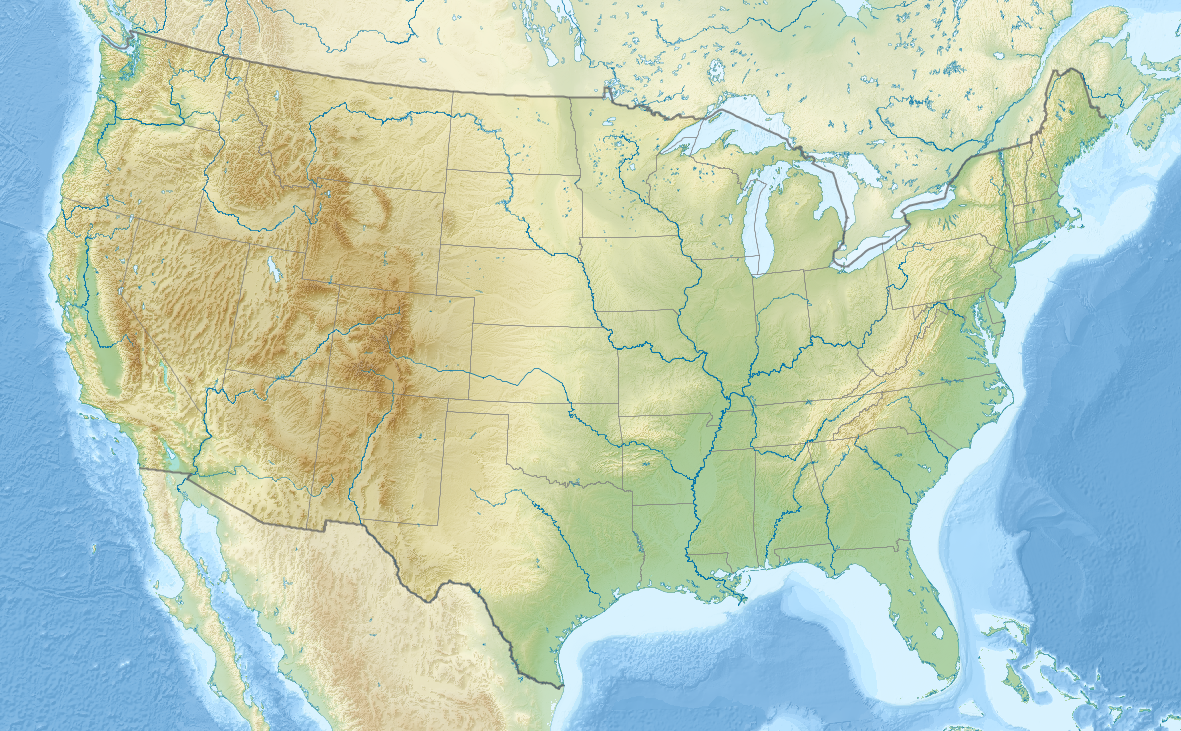
Geography and character
Knoxville sits near the foothills of the Great Smoky Mountains and lies along the Tennessee River and its reservoirs, giving the city a mix of riverfront, lowland, and ridge landscapes. The city combines a historic downtown grid of 18th- and 19th-century streets with university neighborhoods, mid-century commercial corridors and newer development. Local marble quarries and Appalachian cultural ties contribute to a distinct regional identity.
Historical outline
Founded in 1786 and named for Revolutionary War general and first U.S. Secretary of War Henry Knox, Knoxville is one of Tennessee's oldest cities. After Tennessee joined the Union in 1796, Knoxville briefly served as the state capital before the seat moved to Murfreesboro and later to Nashville. The city developed as a transportation and commerce hub in the 19th century and expanded in the 20th with industrial and research activity.
Institutions and economy
Higher education and research are central to Knoxville's economy. The main campus of the University of Tennessee is a major employer and cultural force, with large athletic programs and research centers. Nearby federal facilities, including research laboratories and Tennessee Valley Authority installations, have long influenced the local job market. Oak Ridge-area facilities and transportation research centers foster federal and private partnerships.
Culture, events and notable sites
Knoxville has an active arts scene, seasonal festivals and college sports that shape civic life. The city hosted the 1982 World's Fair, which left the Sunsphere as a skyline landmark. The University of Tennessee Volunteers, especially football at Neyland Stadium, attract statewide attention. Local museums, music venues and riverfront parks provide amenities for residents and visitors.
Points of interest
- University of Tennessee campus and sports facilities (UT).
- Sunsphere and former 1982 World's Fair site.
- Riverfront Park and redevelopment along the Tennessee River.
- Historic Market Square and downtown cultural venues.
Nicknames and local notes: Over time Knoxville has acquired a range of informal nicknames reflecting industry, local humor and events. The city remains an important regional center in eastern Tennessee, balancing historic neighborhoods, university life and research-driven employment.
For administrative context, Knox County is the primary county jurisdiction for the city. Readers seeking municipal data or tourism information can consult local government and university sources for current demographics, event calendars and services.
Questions and answers
Q: What is the population of Knoxville?
A: The population of Knoxville in 2010 was 178,874.
Q: What is the largest city in Tennessee?
A: The largest city in Tennessee is Memphis.
Q: What is the second oldest of Tennessee's four major cities?
A: Knoxville is the second oldest of Tennessee's four major cities.
Q: Why was Knoxville named?
A: Knoxville was named in honor of the first Secretary of War, Henry Knox.
Q: What institutions fuel Knoxville's economy?
A: The main campus of the University of Tennessee, Oak Ridge National Laboratory, Department of Energy facilities in nearby Oak Ridge, the National Transportation Research Center, and the Tennessee Valley Authority contribute to Knoxville's economy.
Q: What cities preceded Knoxville as Tennessee's capital?
A: Nashville was the first capital of Tennessee, followed by Knoxville in 1796, then Murfreesboro in 1819, and Nashville became the state's capital again.
Q: Why has Knoxville been nicknamed "The Streaking Capital of the World" and "The Underwear Capital of the World"?
A: It is not clear why Knoxville has been nicknamed "The Streaking Capital of the World" and "The Underwear Capital of the World".
Related articles
Author
AlegsaOnline.com Knoxville, Tennessee — Overview, History and Significance Leandro Alegsa
URL: https://en.alegsaonline.com/art/54039
Sources
- knoxmercury.com : A Knoxville Vacation · web.archive.org · archive.is
- geonames.usgs.gov : "Feature Detail Report for: City of Knoxville"
- factfinder2.census.gov : "American FactFinder"
- factfinder2.census.gov : "American FactFinder"
- geonames.usgs.gov : "US Board on Geographic Names"
- movoto.com : movoto.com/knoxville-tn/knoxville-facts/
- tennesseeencyclopedia.net : Knoxville
- tennesseeencyclopedia.net : Knoxville World's Fair of 1982
- sister-cities.org : Sister Cities International FAQ