
John Newton (1725–1807): hymnwriter, former slave ship captain and Anglican clergyman
John Newton was an 18th-century sailor who became an Anglican minister and hymnwriter. Once involved in the Atlantic slave trade, he later renounced it and authored the hymn 'Amazing Grace' and other works.
John Newton (1725–1807) was an English seaman who spent part of his early career as a ship captain in the Atlantic world before becoming an Anglican clergyman. He is best known as the author of a number of religious poems and hymns and for the enduring hymn "Amazing Grace". Later in life he repudiated the slave trade and influenced religious and social debates of his time.
Image gallery
9 Images
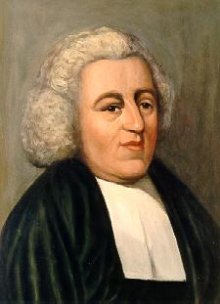


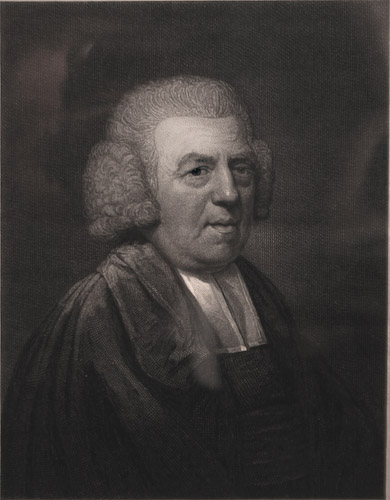
Early life and sea service
Born in 1725, Newton went to sea as a young man and worked on vessels involved in long-distance trade, including voyages that transported enslaved people. His experiences at sea—marked by hardship, illness and episodes of violence—shaped his later reflections. Accounts he wrote of that period emphasize a personal transformation from a life tied to commercial seafaring toward one shaped by religious conviction.
Conversion and ministry
Newton underwent a spiritual conversion in the mid-18th century and eventually entered holy orders in the Church of England. As a parish priest and preacher he became associated with the evangelical revival of the era. He served in pastoral roles for many years, ministering to congregations and publishing devotional material that combined practical pastoral care with evangelical theology.
Hymns and writings
Newton collaborated with other writers of his day to produce hymn collections and devotional texts. He compiled and wrote hymns that were included in the influential Olney Hymns and in other hymnbooks. Among his best-known pieces is several hymns, the most famous being "Amazing Grace", which expresses themes of repentance, forgiveness and spiritual renewal. He also produced autobiographical and polemical writings addressing his experience in the slave trade and his later convictions; these works were circulated and cited by reformers.
Opposition to the slave trade
Having firsthand knowledge of the Atlantic trade, Newton became a vocal critic of slavery in his later years. He wrote and spoke against the trade, and his testimony and publications were used by abolitionist campaigners. While he did not claim to have ended his earlier involvement without ambivalence, his later writings conveyed a strong moral rejection of the system that he once served.
Legacy and notable works
Newton's complicated life—sailor and slave trader in youth, then pastor, hymnwriter and critic of the trade in later years—has made him a subject of historical interest and moral discussion. His hymns remain in many hymnals and continue to be sung in Christian worship. Selected works include:
- Collections of hymns and devotional writings
- Olney Hymns and related hymn texts
- Personal narratives of his early maritime career
For further reading and primary sources, consult modern biographies and the published collections of his letters and sermons, which offer context for both his theological influence and his later repudiation of the slave trade. Many studies discuss the tensions between his early life and his later public stance on slavery, and his most famous hymn, "Amazing Grace", remains a cultural touchstone.
Related articles
Author
AlegsaOnline.com John Newton (1725–1807): hymnwriter, former slave ship captain and Anglican clergyman Leandro Alegsa
URL: https://en.alegsaonline.com/art/50748