
John of England (King John): reign, Magna Carta and historical legacy
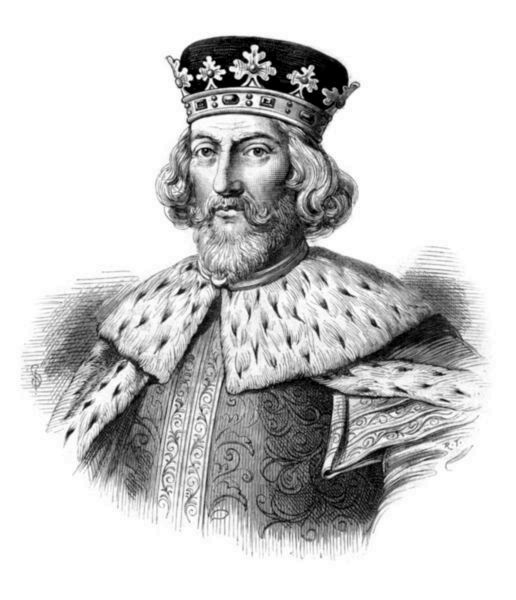
King John of England (1166–1216), son of Henry II and Eleanor of Aquitaine, ruled 1199–1216. His disputes with barons and the Church produced the Magna Carta (1215), a landmark in limiting royal power.
Overview
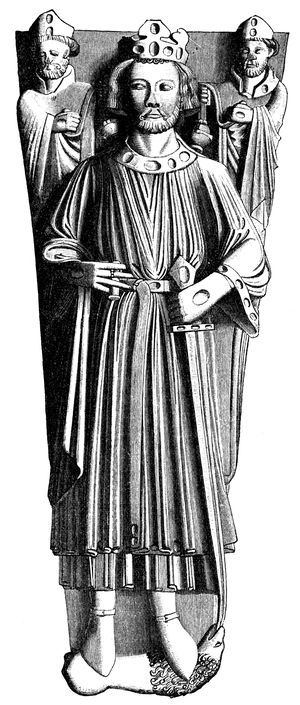
John, often called King John, was born on 24 December 1166 and ruled as King of England from 6 April 1199 until his death on 19 October 1216. He was a younger son of Henry II and Eleanor of Aquitaine. He succeeded his elder brother Richard I and is remembered for a turbulent reign that combined dynastic struggle, territorial loss, and confrontation with powerful groups within the kingdom. Contemporary and later sources gave him a mixed reputation that has been reassessed by modern historians.
Image gallery
10 Images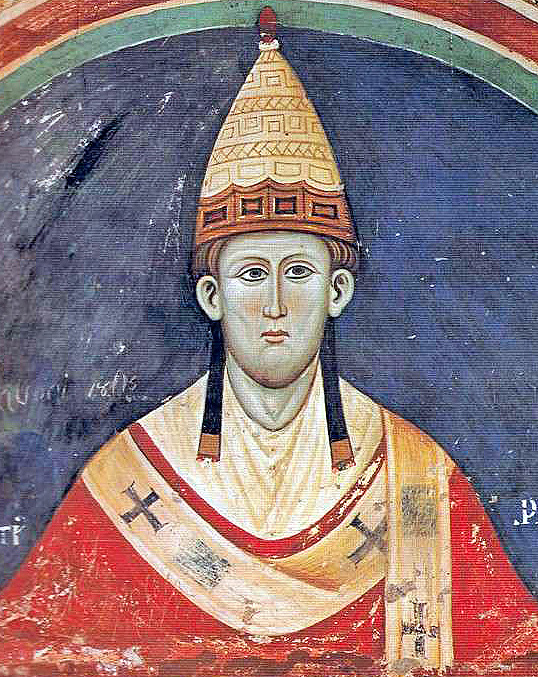





Reign, territory and conflicts
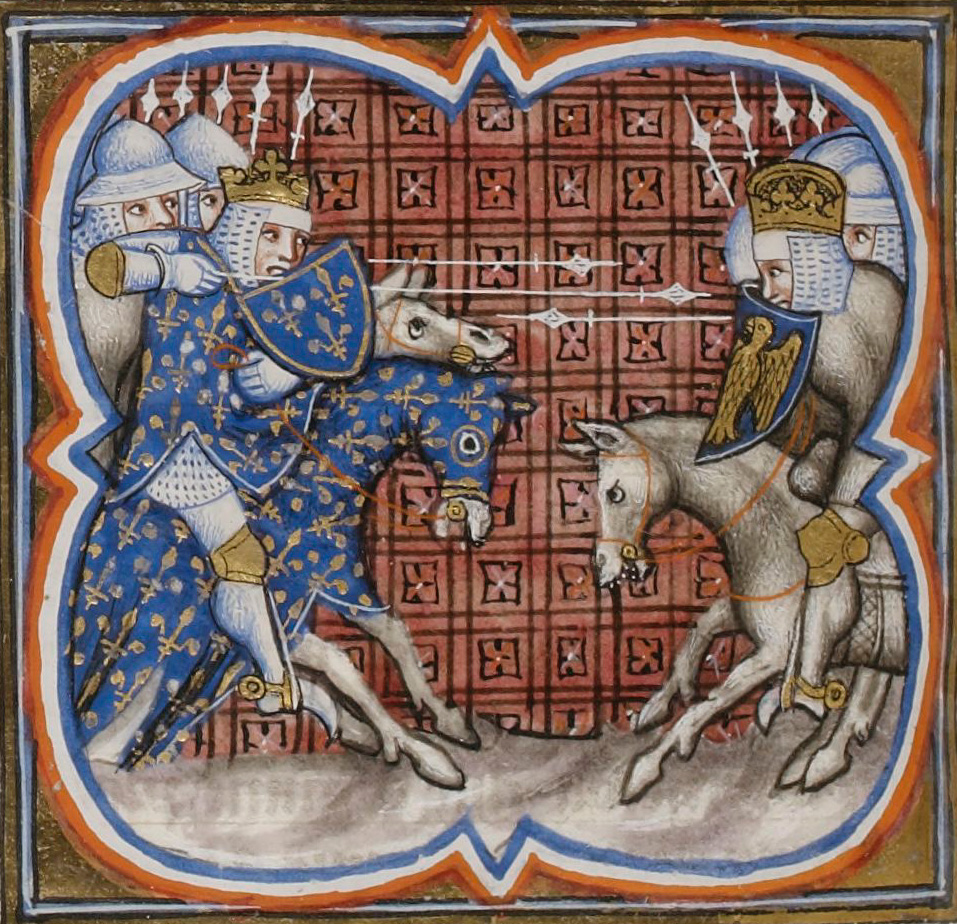
John became king of England at a moment when the Angevin empire was under pressure. During his rule he lost significant continental possessions, notably Normandy, to the French king; this loss weakened his standing among the nobility and reduced income from those domains. Financial demands, legal innovations, and military failures all fed a growing dissatisfaction among his magnates. His government also came into repeated conflicts with leading figures and institutions: influential barons resisted fiscal exactions and arbitrary justice, while disputes with senior clerics and papal representatives brought him into confrontation with bishops and the papacy, including an extended dispute that led to his temporary excommunication and a papal interdict that affected church services across England (bishops).
Magna Carta and limits on royal power
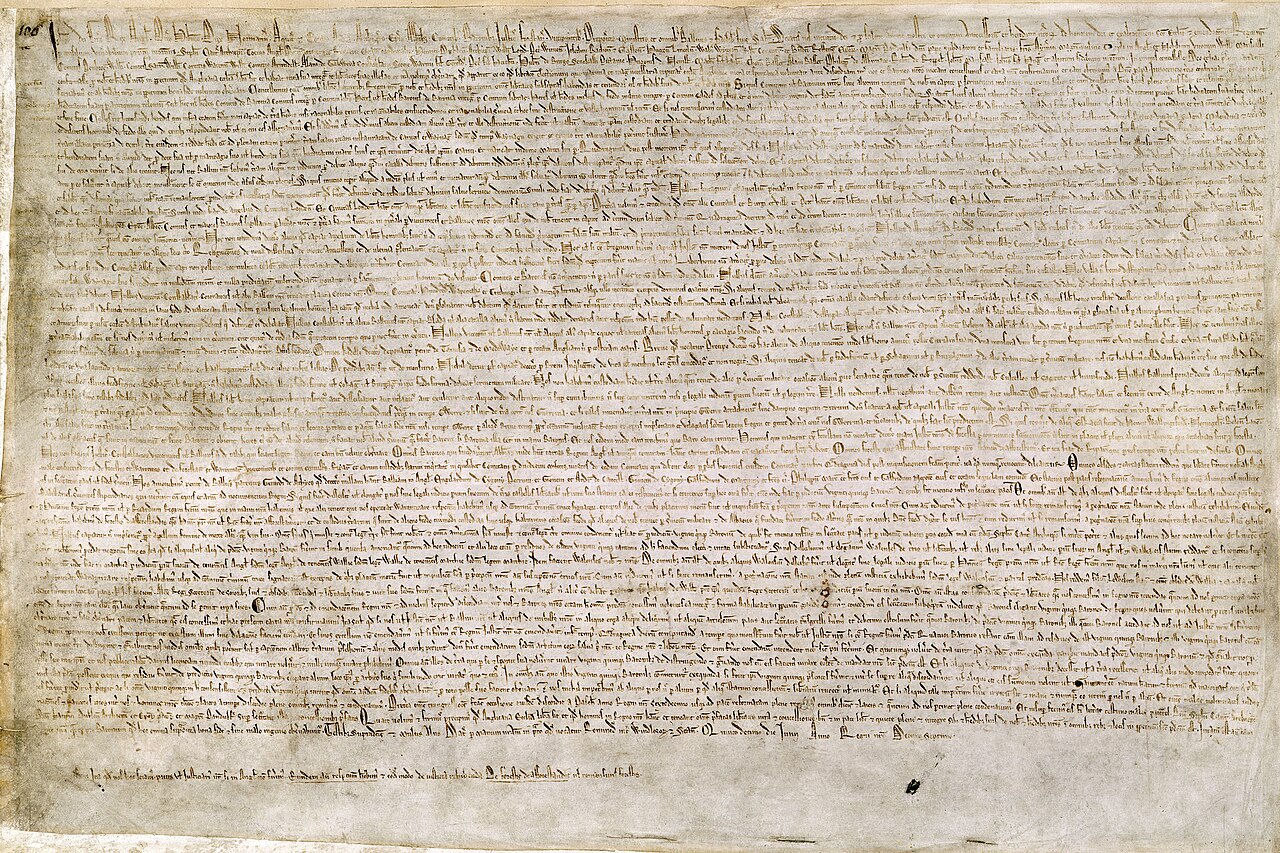
The baronial crisis reached a climax in 1215 when large groups of barons compelled John to accept a charter at Runnymede. That document, commonly called the Magna Carta, sought to restrain aspects of royal authority, protect baronial rights, and standardize certain legal procedures. Though the immediate charter was a negotiated settlement rather than a comprehensive constitution, it introduced principles that have been read as an early form of a bill of rights and a precedent for the idea that monarchs could be subject to law. The Magna Carta was reissued, interpreted, and adapted in subsequent reigns and played a long-term role in constitutional developments in England and beyond.
Legacy and historical assessment
John's legacy is complex. Contemporaries criticized his rule for perceived cruelty, fiscal pressure and failures in war; later tradition often portrayed him as an archetype of bad kingship. Modern scholars emphasize both the real weaknesses of his position—loss of continental territories, strained finances—and the administrative and legal changes associated with his reign. The charter forced on him has become a symbolic foundation for later legal protections and debate about the limits of executive power.
Notable facts and timeline
- Born 24 December 1166; died 19 October 1216.
- Succeeded his brother Richard I in 1199 and reigned until 1216.
- Lost Normandy and much of the Angevin continental inheritance to France during his kingship.
- Clashed with the Church and English magnates; these disputes involved bishops and prominent barons.
- Compelled to seal the Magna Carta in 1215, a document often cited in histories of rights and the rule of law.
For readers who wish to explore primary figures and institutions connected to John's life and reign, relevant entries include his father, Henry II, his mother Eleanor of Aquitaine, and the office of the King of England. The controversies and documents surrounding John remain central to discussions of medieval kingship, governance, and the origins of constitutional limits on royal authority.
Questions and answers
Q: Who was King John?
A: King John was the son of Henry II of England and Eleanor of Aquitaine, and he was King of England from 1199 until his death in 1216.
Q: How did King John become King of England?
A: King John became King of England after his brother, Richard I (Richard the Lionheart), passed away.
Q: What were some of the disputes that occurred between King John and his barons and bishops?
A: Some of the disputes between King John and his barons and bishops included disagreements over taxation and land ownership.
Q: What was the Magna Carta?
A: The Magna Carta was a document that English nobles forced King John to sign, which limited his power as monarch and gave the nobles more influence in the government.
Q: Why was the Magna Carta significant in English history?
A: The Magna Carta was significant in English history because it introduced the idea that monarchs had limited rights and had to follow certain laws. It also gave the nobles more say in the government, and served as one of the first English “bills of rights”.
Q: How did the Magna Carta affect English government?
A: The Magna Carta affected English government by limiting the power of the monarch and increasing the power of the nobles. It also established the idea that monarchs had to follow certain laws and gave the nobles more influence in the government.
Q: Did the Magna Carta have an impact outside of England?
A: Yes, the Magna Carta had an impact outside of England as well, as it served as an inspiration for other countries' governments and was considered a significant legal document in history.
Related articles
Author
AlegsaOnline.com John of England (King John): reign, Magna Carta and historical legacy Leandro Alegsa
URL: https://en.alegsaonline.com/art/50750
Sources
- english-heritage.org.uk : "Knights Templar Church at English Heritage website"