
Amazing Grace: The History and Influence of the Hymn
Overview of 'Amazing Grace', John Newton's 18th‑century hymn poem, its musical settings, later textual additions, themes of redemption, and its broad cultural and religious influence.
Overview
"Amazing Grace" began as a religious poem and has become one of the world's best‑known Christian hymns. Written in the late 18th century, its words express themes of forgiveness, personal conversion, and hope. Over time the lines have been paired with a number of melodies and have appeared in countless hymnals, recordings, and public occasions.
Image gallery
6 Images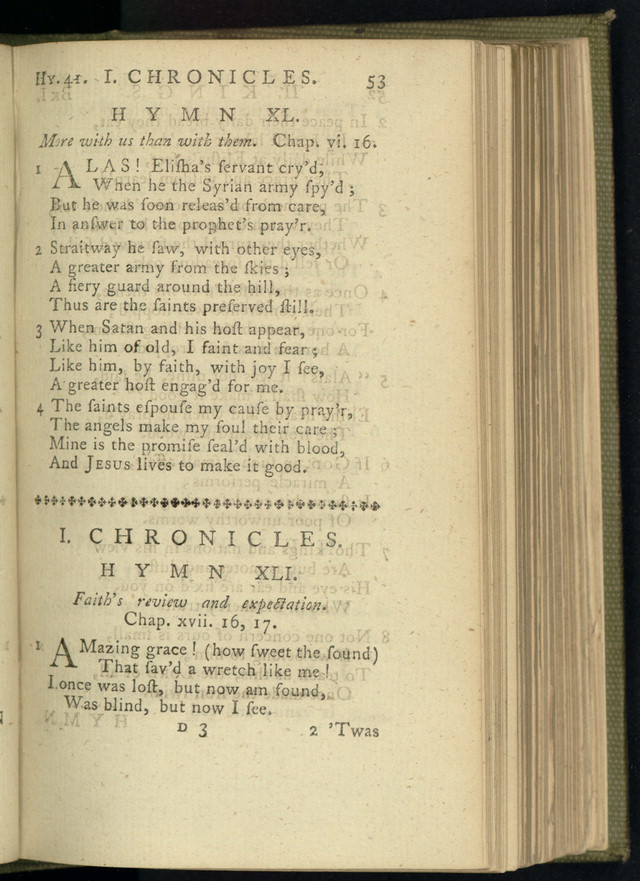


Origin and author
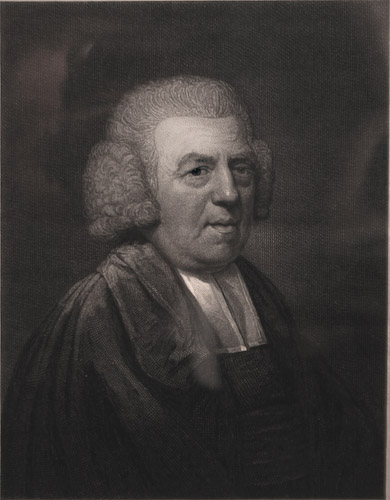
The text was composed by the English clergyman John Newton and originally bore the title "Faith's Review and Expectation". Newton wrote the poem after a religious conversion that led him to leave a former life at sea and to enter ordained ministry. His experience and later Christian reflection shaped the hymn's emphasis on unmerited mercy and spiritual renewal.
Textual form and common variants
The stanza pattern places the poem in common meter, which made it readily adaptable to multiple tunes. A seventh stanza beginning "When we've been there ten thousand years" is not part of Newton's original text but was added in the 19th century by an unknown writer; that extra verse appears in many modern hymnbooks. Some versions truncate the middle stanzas and jump directly to that closing verse in congregational use.
Music and adaptations
Although the words were first circulated as poetry, the hymn gained lasting popularity when matched with melodies such as the traditional tune often called "New Britain." Because the text is metrically flexible, it has been set to other hymn tunes and arranged in folk, gospel, classical, and popular styles. The simplicity of the tune and the directness of the lyrics have encouraged frequent reinterpretation by choirs, solo artists, and community groups.
Themes, uses, and significance
At its core the hymn speaks to themes of grace, repentance, and transformation, which has given it broad appeal across denominational lines. It is commonly sung in worship services, memorial ceremonies, and civic events. Pastoral leaders, musicians, and cultural commentators have pointed to its ability to convey consolation and moral renewal in diverse settings.
Legacy and notable facts
- Originated as an 18th‑century poem by John Newton and later adapted for congregational singing.
- Commonly printed with an added 19th‑century stanza beginning "When we've been there ten thousand years."
- Set to several tunes, its adaptable meter has aided its spread into many musical traditions.
- Remains a frequent feature of hymnals, recordings, and public commemorations, recognized for its message of hope.
Together, the text and its musical pairings have secured "Amazing Grace" a lasting place in both religious life and popular culture, where it continues to be learned, sung, and reinterpreted.
Questions and answers
Q: Who wrote the poem "Amazing Grace"?
A: Englishman John Newton wrote the poem "Amazing Grace".
Q: When was "Amazing Grace" written?
A: "Amazing Grace" was written in 1772.
Q: Where did the song "Amazing Grace" come from?
A: The song "Amazing Grace" was based on the poem "Faith's Review and Expectation" by Englishman John Newton.
Q: Was the poem "Amazing Grace" always a song?
A: No, the poem "Amazing Grace" was set to music to become the song that is known today.
Q: Is there an additional stanza added to most versions of "Amazing Grace"?
A: Yes, an unknown author added a seventh stanza to most versions since 1829 beginning with the words "When we've been there ten thousand years".
Q: Are stanzas five and six included in all versions of "Amazing Grace"?
A: No, in some versions stanzas five and six are cut and the song goes directly to the seventh stanza.
Q: Who added the seventh stanza to "Amazing Grace"?
A: An unknown author added the seventh stanza to most versions of "Amazing Grace" since 1829.
Related articles
Author
AlegsaOnline.com Amazing Grace: The History and Influence of the Hymn Leandro Alegsa
URL: https://en.alegsaonline.com/art/3250