
Slave ship (transatlantic transport of enslaved people)
Cargo vessels adapted to carry enslaved people across the Atlantic, known for cramped, deadly conditions during the 'Middle Passage' and central to the transatlantic slave trade.
Overview
Slave ships were merchant vessels adapted or built to carry people captured and sold into slavery across the Atlantic between the 16th and 19th centuries. These ships formed the seaborne link in what historians call the transatlantic slave trade. The voyage that moved captives from the African shore to European colonies and states in the Western Hemisphere is often referred to as the "Middle Passage." For a general definition see slave ships.
Image gallery
9 Images
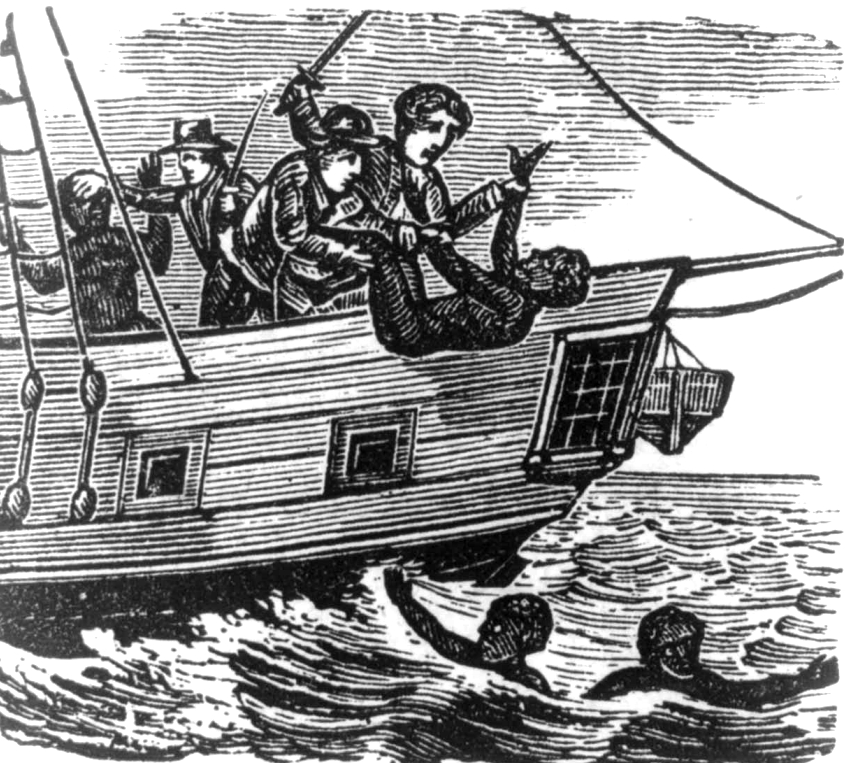

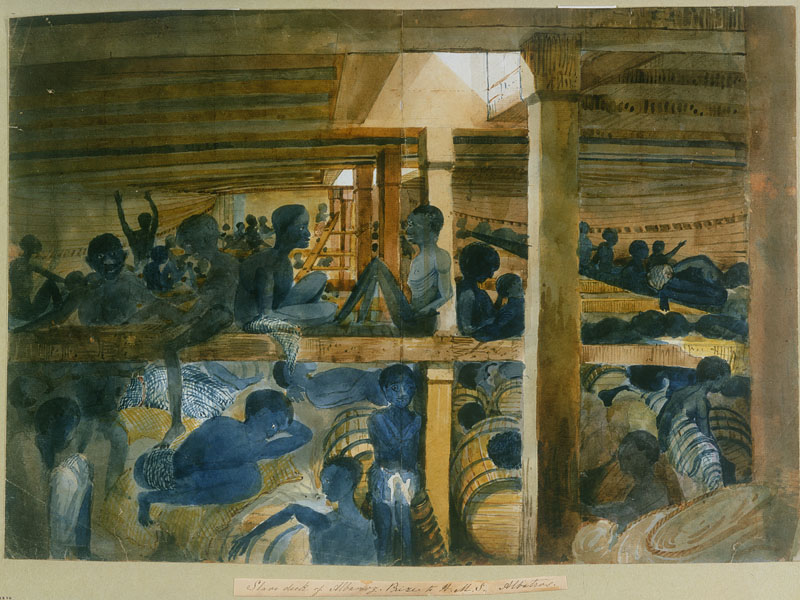


Design and onboard conditions
To maximize cargo space, ships were reconfigured with additional decking and tightly packed platforms. Men, women and children were stowed in rows, shackled or constrained, frequently with less than a meter of headroom. The combination of crowding and inadequate ventilation created a hazardous environment: food and water were rationed and sometimes insufficient, leading to weakness and illness. Contemporary descriptions and later historical studies characterize these environments as inhumane. For specifics about provisions see food and water.
Voyage, routes and mortality
Typical Atlantic crossings lasted two to three months but could take longer depending on winds and stopovers; some journeys extended to four months. Ships followed established routes from points along the West African coast to ports in the Caribbean, Brazil, and North America. The confined, unsanitary conditions encouraged the spread of disease and high mortality among captives and crew. The sensory conditions—overpowering smells and dampness—were widely noted; see accounts of the stench and disease.
Scale and numbers
Scholars estimate that millions of people were transported across the Atlantic over several centuries. Best-known aggregate figures put the number of people embarked from Africa at roughly twelve million, with several million dying before disembarkation. These estimates underline that this movement was among the most deadly episodes of forced human migration; it is frequently compared with other large population movements in studies of human migrations.
Legal changes and legacy
Opposition to the trade grew in the late 18th and early 19th centuries. A succession of laws and international treaties gradually outlawed the transatlantic slave trade and later slavery itself in many countries, though illegal trafficking continued for years. The history of slave ships left a lasting legacy in the demographics, cultures, and memory of the Americas and Africa.
Characteristics and notable facts
- Typical modifications included added platforms to increase capacity and secure storage areas for human cargo.
- Captives were taken from diverse African regions; see references to African captives.
- Disembarkation points were mainly in the Americas, where enslaved people were sold to plantation and urban markets.
- Primary sources and archaeological finds have informed modern understanding of conditions and mortality.
For further reading and digital archives consult specialist resources and museum collections that document the routes, personal accounts, and the economic networks tied to slave ships.
Questions and answers
Q: What were slave ships and what was their purpose?
A: Slave ships were cargo ships specially designed for taking newly captured African slaves to the Americas.
Q: How were the living conditions for slaves on slave ships?
A: The living conditions for slaves on slave ships were inhuman, with men, women, and children overcrowded into every space, leaving no room to move or breathe. There was little food, and the smell was unbearable.
Q: How many slaves were sent from Africa to the Americas on slave ships?
A: Between 1526 and 1867, about 12.5 million slaves were sent by slave ships from Africa to the Americas.
Q: How many slaves actually arrived in the Americas on slave ships?
A: Only about 10.7 million slaves actually arrived in the Americas on slave ships.
Q: Why was the slave trade the most costly migration in terms of human lives lost?
A: The slave trade was the most costly migration in terms of human lives lost because many slaves died during the voyage across the Atlantic due to inhumane living conditions.
Q: How long did it take to sail across the Atlantic on a slave ship?
A: The average time to sail across the Atlantic on a slave ship took from 60 to 90 days, but sometimes trips took up to four months.
Q: What was the impact of slave ships on African history and culture?
A: Slave ships had a devastating impact on African history and culture, as millions of Africans were forcibly enslaved, transported, and experienced the horrors of the middle passage. The trauma of the slave trade still affects Africans and their descendants today.
Tags
Related articles
Author
AlegsaOnline.com Slave ship (transatlantic transport of enslaved people) Leandro Alegsa
URL: https://en.alegsaonline.com/art/91053
Sources
- eyewitnesstohistory.com : "Aboard a Slave Ship, 1829"
- gilderlehrman.org : "Facts about the Slave Trade and Slavery"
- pbs.org : "The African Slave Trade and the Middle Passage"
- blackpast.org : "The Zong Massacre (1781)"
- atlantablackstar.com : "5 Slave Ship Uprisings Other Than Amistad"
- historynet.com : "Slave Mutiny on the Amistad"
- blackhistorynow.com : "Joseph Cinqué"