
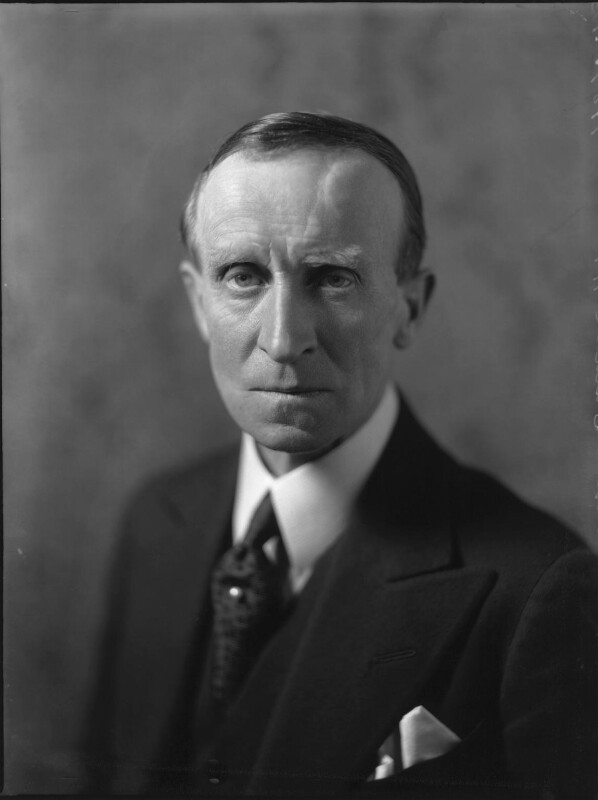
John Buchan, 1st Baron Tweedsmuir (1875–1940)
Scottish novelist, historian and statesman best known for adventure thrillers such as The Thirty-Nine Steps; later served as Governor General of Canada and wrote influential biographies and essays.
John Buchan, 1st Baron Tweedsmuir (1875–1940) was a Scottish writer, historian and public servant whose fiction helped shape the modern thriller. He combined a gift for brisk plotting and vivid landscape with a lifelong interest in history and public affairs. Buchan’s name is most often associated with fast-paced adventure novels, but his output also includes biographies, essays, poetry and public speeches.
Image gallery
6 Images




Early life and education
Buchan was born and raised in Scotland and received a classical education that prepared him for literary and public life. He studied at the University of Glasgow and later at Oxford; he attended Brasenose College, Oxford, where he began publishing stories while still a student. His early exposure to law, politics and literature established the twin strands—writing and public service—that ran through his career. For details of his university background see Oxford.
Public service and colonial experience
After completing his studies Buchan qualified in law and took up work in British colonial administration and government service. He spent time in southern Africa, an experience that informed some of his early fiction and his understanding of imperial politics; contemporary accounts refer to his time in South Africa. Later he served in various roles representing British interests abroad and at home. In 1935 he was raised to the peerage as Baron Tweedsmuir and was appointed Governor General of Canada, a viceregal posting he held until his death; his Canadian appointment is discussed in materials at Governor-General of Canada.
Literary career and themes
Buchan’s best-known fiction combines suspense, travel and political intrigue. Novels such as Prester John (1910), The Thirty-Nine Steps (1915) and Greenmantle (1916) helped establish the conventions of the modern spy and thriller genres: resourceful protagonists, urgent chases and plots tied to international tensions. Beyond thrillers, Buchan wrote full-length historical biographies—most notably studies of figures such as Montrose and Sir Walter Scott—as well as essays on history, governance and literature. His prose often balances a storyteller’s momentum with learned allusion.
Legacy and adaptations
Buchan’s influence is visible in later spy and adventure fiction. The Thirty-Nine Steps became particularly famous through cinematic and stage adaptations; Alfred Hitchcock’s 1935 film brought the story to a wider audience and later film and television versions followed. His biographies are still cited for their narrative clarity and literary judgment. As a public figure his tenure in viceregal office and his writings on empire and national character remain subjects of study and discussion.
Death and recognition
Buchan died in 1940 while still a respected public figure. Contemporary accounts note that he spent his final years traveling between public duties and writing, and he died in Perthshire in Scotland in 1940. He left a varied body of work that continues to be read for both its narrative drive and its historical perspective.
Selected works and notable facts
- Fiction: Prester John (1910); The Thirty-Nine Steps (1915); Greenmantle (1916); The Power-House and other stories.
- Nonfiction: Montrose (biography); Sir Walter Scott (biography); essays and speeches on history and public life.
- Notable facts: A pioneer of the adventure-thriller form; served as Governor General of Canada; created Baron Tweedsmuir in 1935.
Related articles
Author
AlegsaOnline.com John Buchan, 1st Baron Tweedsmuir (1875–1940) Leandro Alegsa
URL: https://en.alegsaonline.com/art/50562